

Commentary by Armindo Neves
A few days ago, members of the Post completed a six-day visit to the southeastern province of Jiangxi as part of a local Portuguese and English language media delegation organised by the Liaison Office of the Central People’s Government in the Macau Special Administrative Region.
The itinerary spanned Jingdezhen City, Mount Lu, Xiushui County, and the provincial capital Nanchang, exploring the profound historical culture while uncovering its modern face of “coexisting motion and stillness”.
The first stop of the itinerary was Jingdezhen, where we visited the Ancient Kiln Folk Customs Museum, Sanbao International Ceramic Valley, the Jingdezhen China Ceramics Museum, and the china studio of Wan Yuting, an intangible cultural heritage inheritor of Jingdezhen’s ancient coloured porcelain.
Jingdezhen has a history of over 1,700 years in porcelain production, and its porcelain gained fame along the Maritime Silk Road, reaching Western countries, making porcelain synonymous with China.
In addition to being the capital of porcelain, Jingdezhen is also known as a revolutionary city. During the revolutionary period, Jingdezhen provided funding, materials and activity areas for the Communist Party of China (CPC) multiple times, adding a strong “red undertone” to its blue-and-white porcelain.
However, Jingdezhen is still the city with the lowest gross domestic product (GDP) in Jiangxi. According to data from the statistical bureau of Jiangxi, Jingdezhen’s GDP in the first half of this year was 61.267 billion yuan, a difference of 6.06 times compared to Nanchang, which ranked first with a GDP of 371.262 billion yuan.
Yet, to the Post team, Jingdezhen appeared to be a particularly vibrant place. With its millennia of cultural heritage, Jingdezhen has attracted many young people to work and live there. In Jingdezhen’s Taoxichuan Creativity Square, there is a cultural and creative market.
This market has transformed the old ceramic factory district into a comprehensive area that integrates art, culture, and commerce. Within the area, hundreds of young ceramists and stall owners showcase their captivating works, allowing visitors to become one of their first customers on their journey of becoming porcelain masters.
Jingdezhen also has a centre dedicated to training, promoting, and supporting “Jingpiao”* individuals in establishing pottery studios. According to their statistics, over 60,000 people moved from other cities to Jingdezhen between 2013 and 2023, bringing a “revolutionary” new vitality to the city’s ongoing development and cultural heritage.
After completing our visit to Jingdezhen, the delegation visited Lushan (“Mount Lu”) in Jiujiang City, where, apart from climbing the 1,474-metre-high mountain, we also visited the Lushan Anti-Japanese War Museum and the Lushan Museum.
While walking along the path at Mount Lushan, the Post team found it difficult to see the entirety of Lushan’s appearance, which reminded them of a poem by Song Dynasty writer Su Shi: “Why can’t I tell the true shape of Lushan? Because I myself am in the mountain.” This means that being in the mountain prevents one from seeing its true form.
The unique foggy climate of Lushan often conceals its shapes in mist, and passers-by frequently struggle to see the road ahead due to the thick fog. The town of Guling in the mountains is often referred to as the “mountain city in the clouds” due to its peculiar weather.
Lushan is also a significant site for both the Kuomintang (KMT) and the CPC during the nation’s war against Japanese imperialism. Coinciding with the 80th Anniversary of the Victory in the Chinese People’s War of Resistance Against Japanese Aggression and the World Anti-Fascist War, Lushan not only carries the elegance of ancient scholars but has also witnessed the bravery of the Chinese people in the face of adversity. Historical records indicate that around 35 million Chinese soldiers and civilians were killed in the Second Chinese-Japanese War, which began on September 18, 1931, and ended with a China victory on September 2, 1945.
After completing our visit to Lushan, the delegation proceeded to Xiushui County in Jiujiang City, where we visited the Macao Aid Memorial Hall, Xiushui County Aoyuan Middle School, an organic green vegetable base in Heshizhen, the Xiushui County Aole Kindergarten, and the Xiushui County Ninghong Innovative Industry Park project.
To support the nation’s rural vitalisation strategy, the Macau government, along with several local businesses, signed a raft of cooperation plans with Xiushui County in 2023 and 2024, covering various fields such as industrial development, education and healthcare, cultural tourism, commercial cooperation, and agriculture; the total funding exceeded 50 million yuan.
To commemorate Macau’s assistance to Xiushui County and showcase the cooperation results, the lasting friendship between Macau and Xiushui, and the achievements in rural revitalisation, the Macau government, in collaboration with the Liaison Office in Macau, established the Macau-Aided Memorial Hall in Ningzhou Ancient City of Xiushui Country.
In addition to displaying the cooperation results between Macau and Xiushui County, the hall features a Portuguese-style restaurant and a “cha chaan teng (Hong Kong and Macau-style café), enabling both locals and tourists to understand the deep friendship between Macau and Xiushui while experiencing Macau’s culinary culture, thereby strengthening their interest in visiting Macau.
After concluding the visit to Xiushui County, the delegation arrived in Nanchang, where they visited Tengwang Pavilion, Wanshou Palace, the Nanchang Planning Exhibition Centre and the Nanchang Han Dynasty Haihun Marquis National Archaeological Site Park.
Nanchang, as the capital of Jiangxi Province, holds the top GDP in the province, not only due to its status as the provincial capital but also because of its unique natural scenery, historical culture, and industrial development, which are indispensable parts of its identity.
Nanchang boasts Tengwang Pavilion, one of the three great towers in Jiangnan alongside Yellow Crane Tower and Yueyang Tower. It also includes the National Archaeological Site Park, a national key cultural relic protection unit and archaeological site park.
These two sites, representing the nation’s profound cultural history, not only attract tourists to Nanchang but also require talented individuals for the excavation and protection of cultural relics. Through various factors such as science and archaeology, Nanchang, with its deep cultural heritage and ongoing industrial development, ranks first in Jiangxi Province’s GDP.
At the end of the visit, the delegation leader-cum director of Hoje Macau, Carlos Morais José summarised the trip. He said that the rich historical and cultural heritage of China, from Jingdezhen’s ceramic history and modern development, Lushan’s poetry and Taoist sacred sites, to the diverse aspects of Xiushui and Nanchang, helped the delegation members gain a deep understanding of the connections between Chinese history and culture, and the rest of the world.
He noted that China effectively uses new technologies to pass on culture and inspire resonance, suggesting that Macau could borrow this model to combine technology with museum construction, building cultural bridges and promoting an educational and enjoyable tourism experience.
*”Jingpiao” refers to artists and young entrepreneurs who are drawn by Jingdezhen’s millennia-old ceramic culture and industrial ecosystem, and who come from all over the nation and even from abroad to live and work in Jingdezhen, engaging in ceramic-related creation, study, entrepreneurship, and daily life. Directly translated, “Jingpiao” means “drifters [living and working] in Jingdezhan”. – DeepSeek
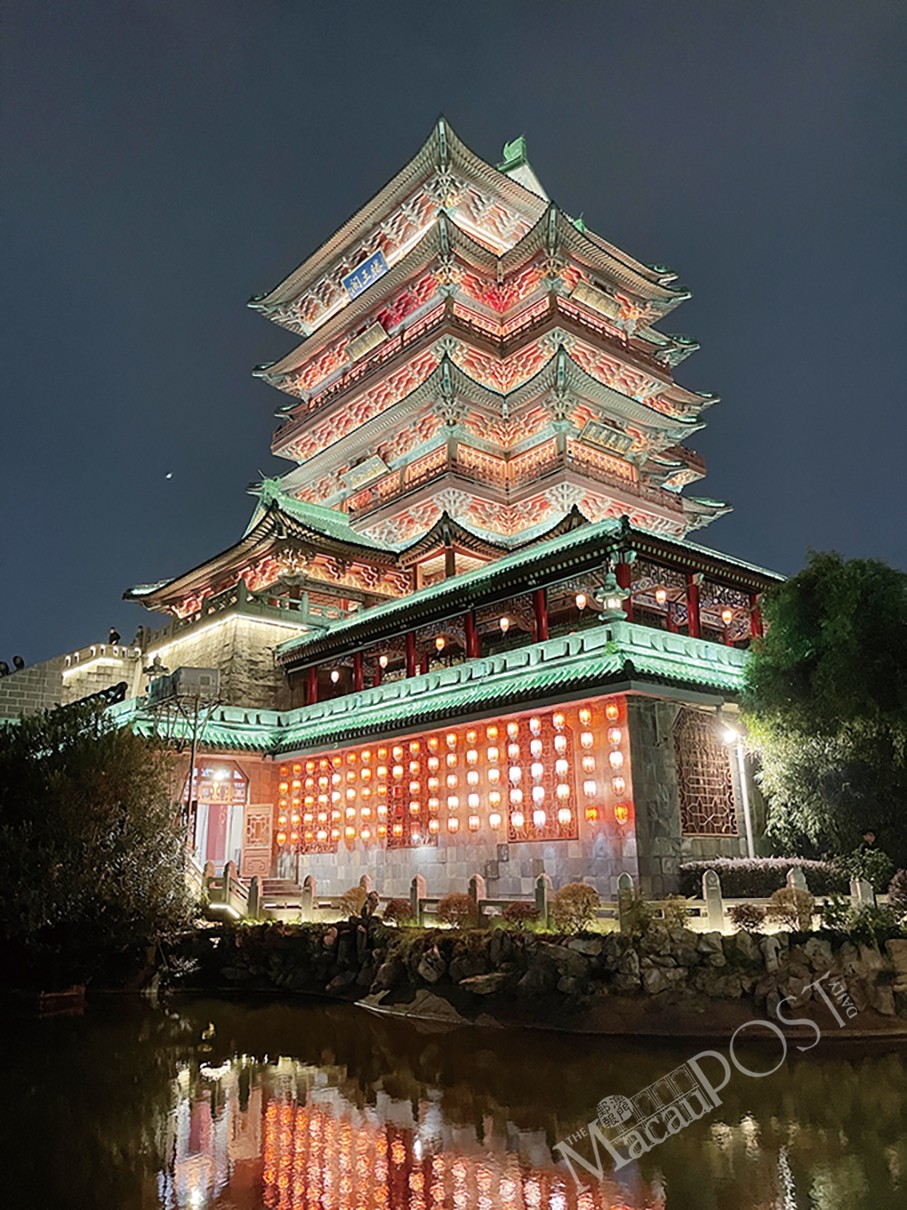

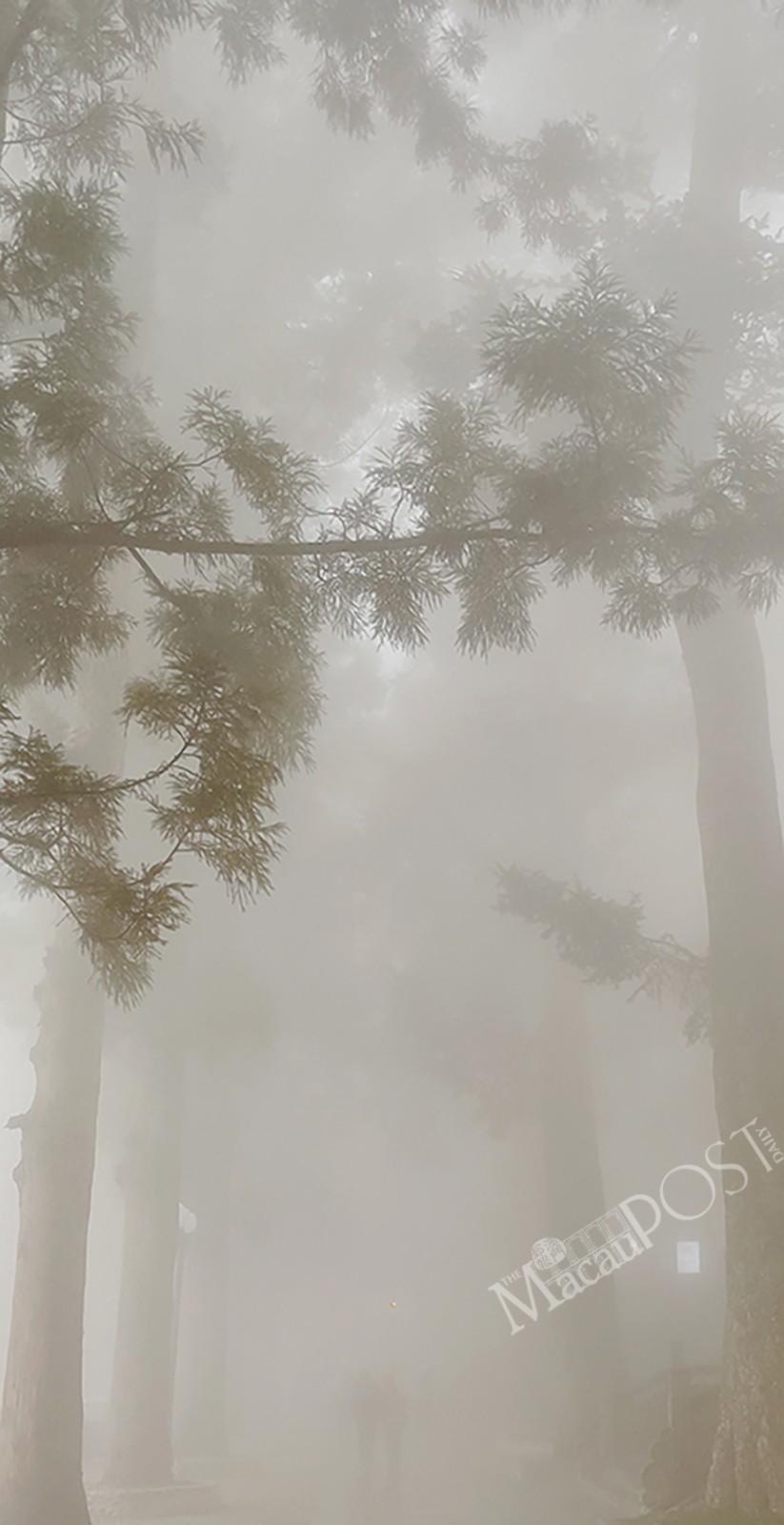
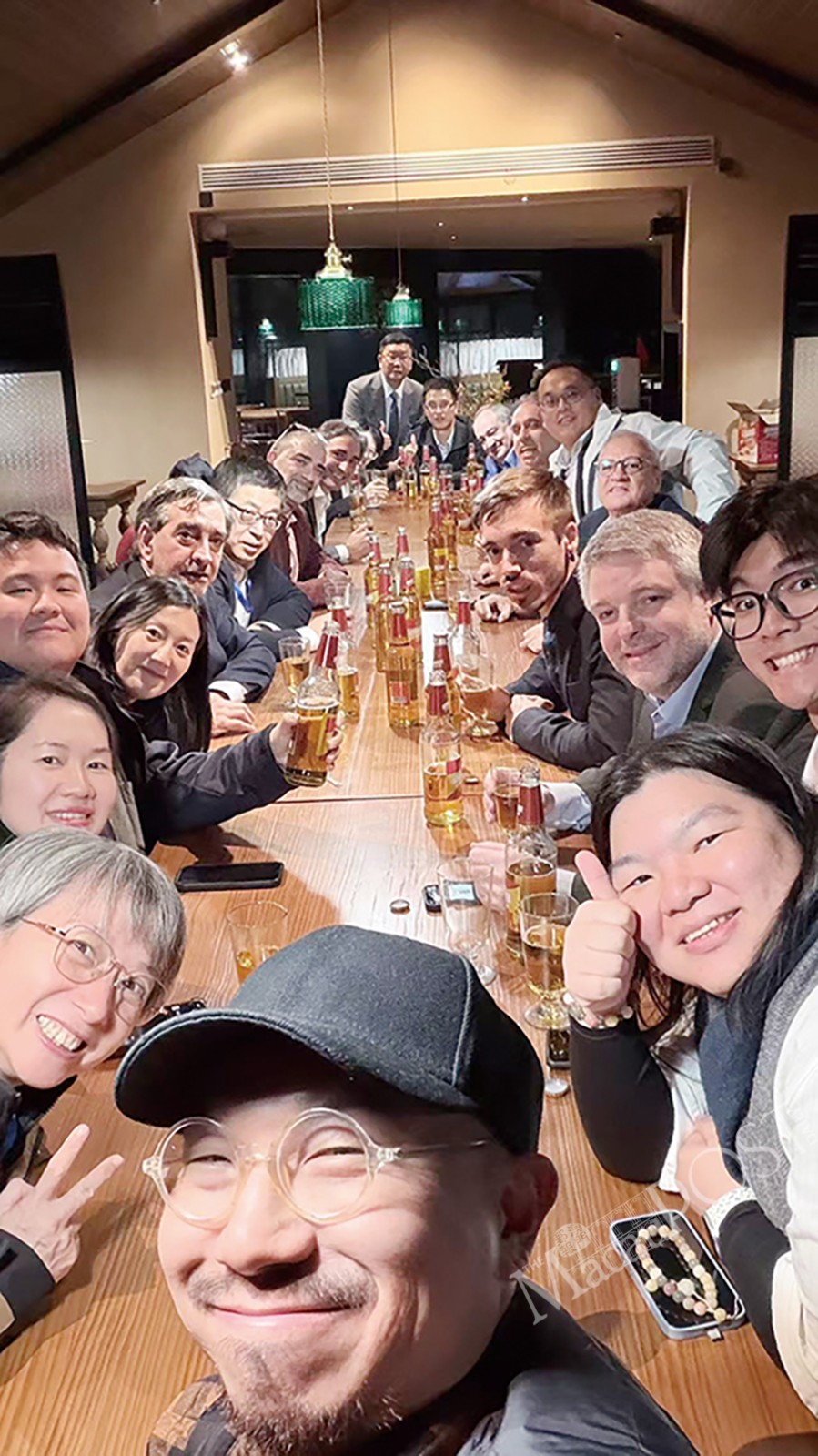
Photos taken in Jiangxi by the Post’s Armindo Neves and Maria Cheang Ut Meng during their visit to the southeastern province between October 23 and 28.