

“Déjà Vu – A Sino-French Art Exchange Exhibition” at The Parisian Macao has extended its run through August 28, responding to positive feedback and high visitor numbers since its May opening, according to a recent statement from the local Art for All Society (AFA).
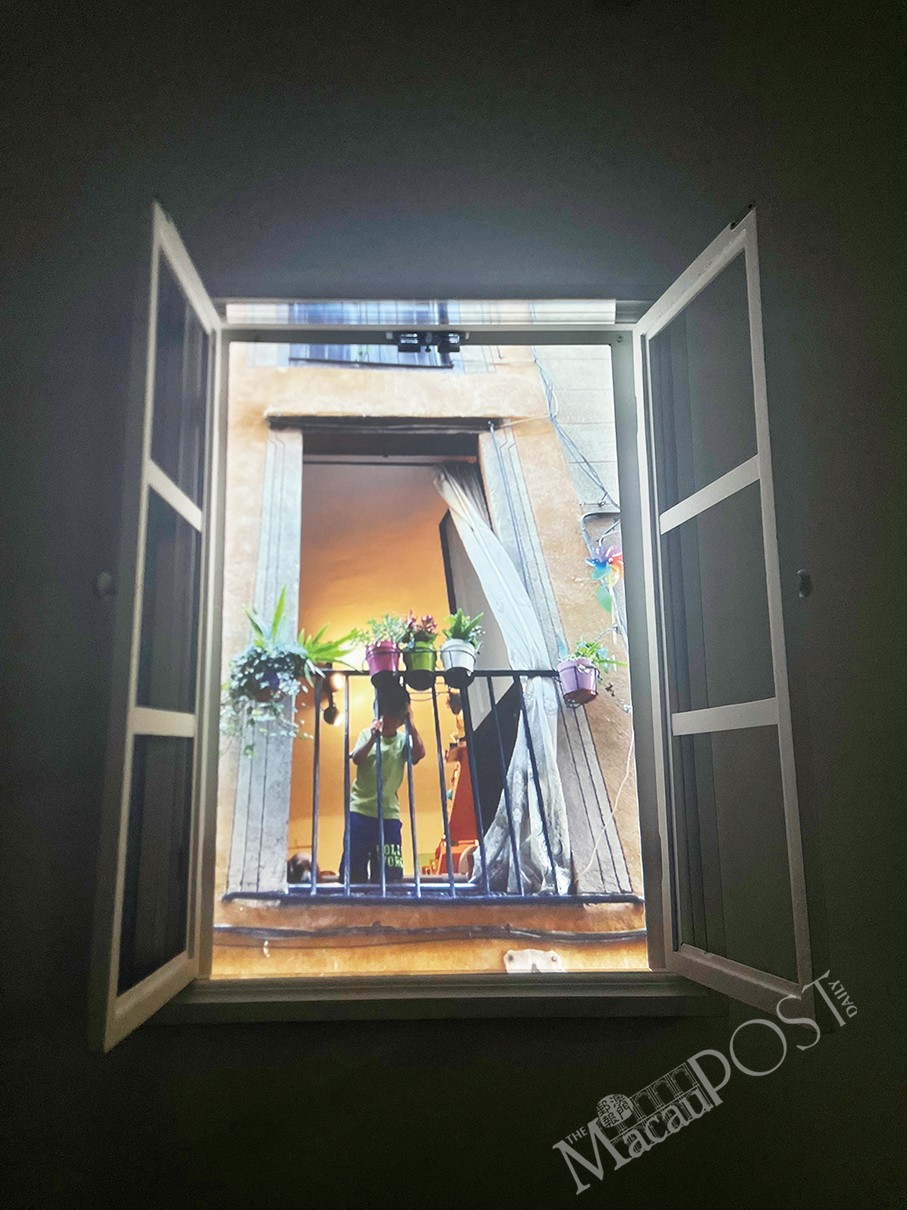
Organised by AFA as part of the French May Arts Festival, the multimedia exhibition “encourages a deeper awareness of the complex relationship between perception, memory, and time, and those fleeting, uncanny moments when we catch a glimpse of the present reflecting itself”, the statement noted.
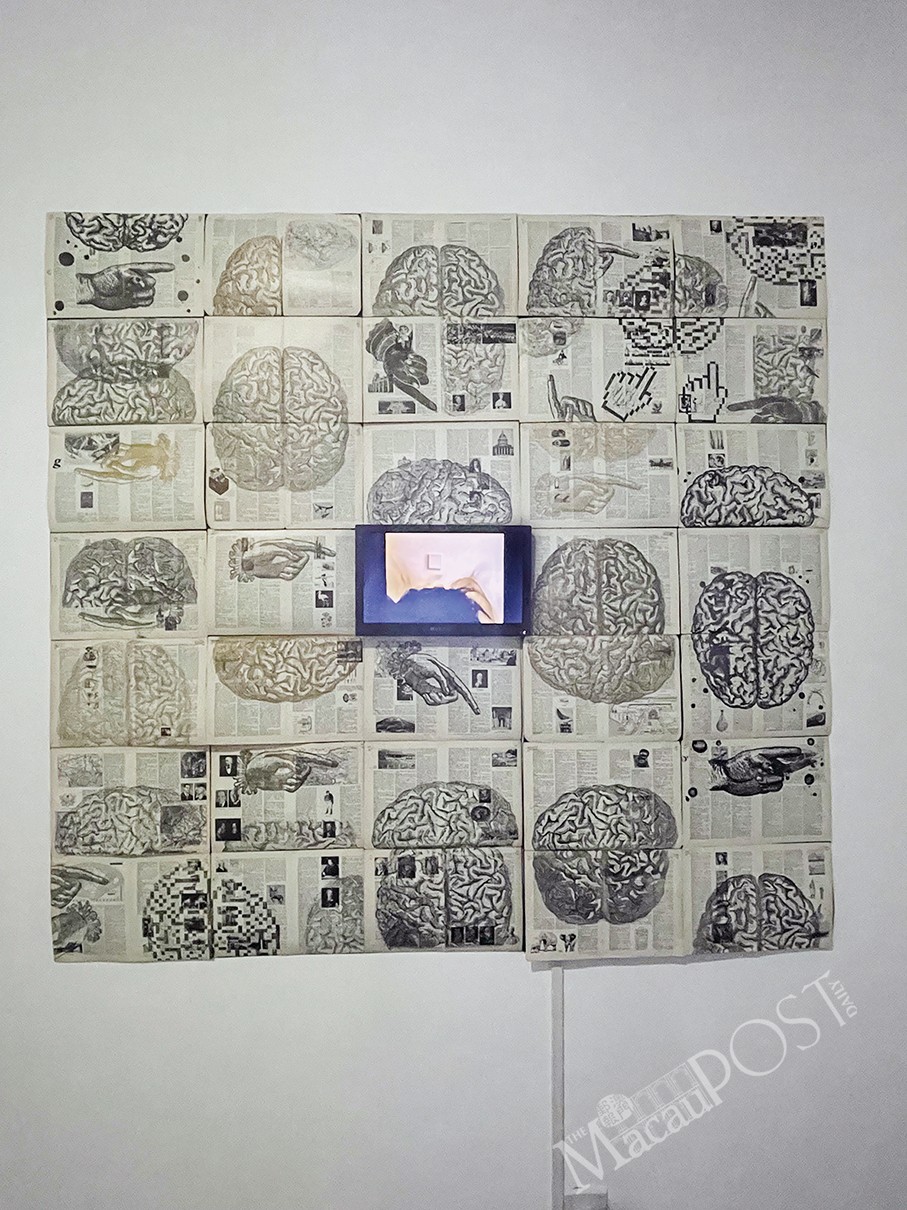
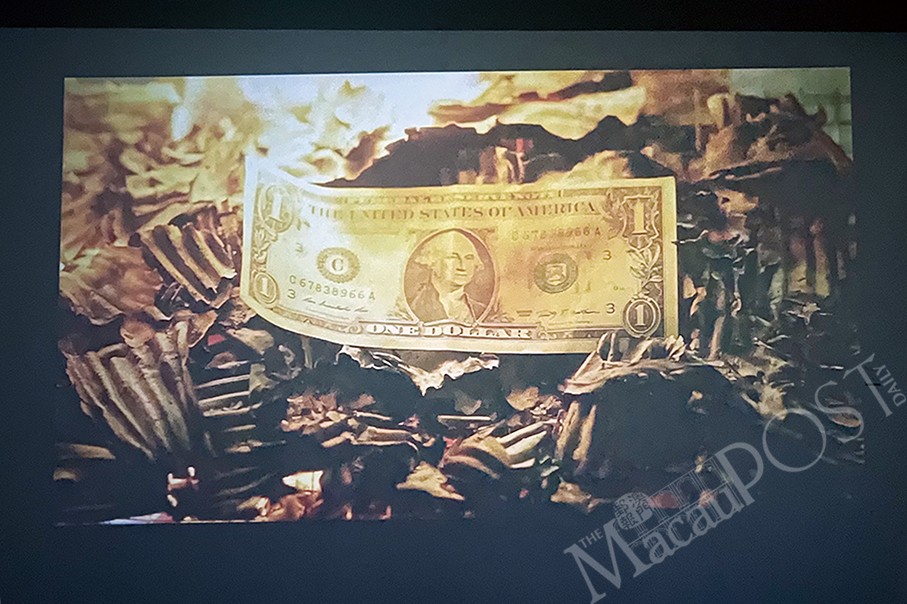
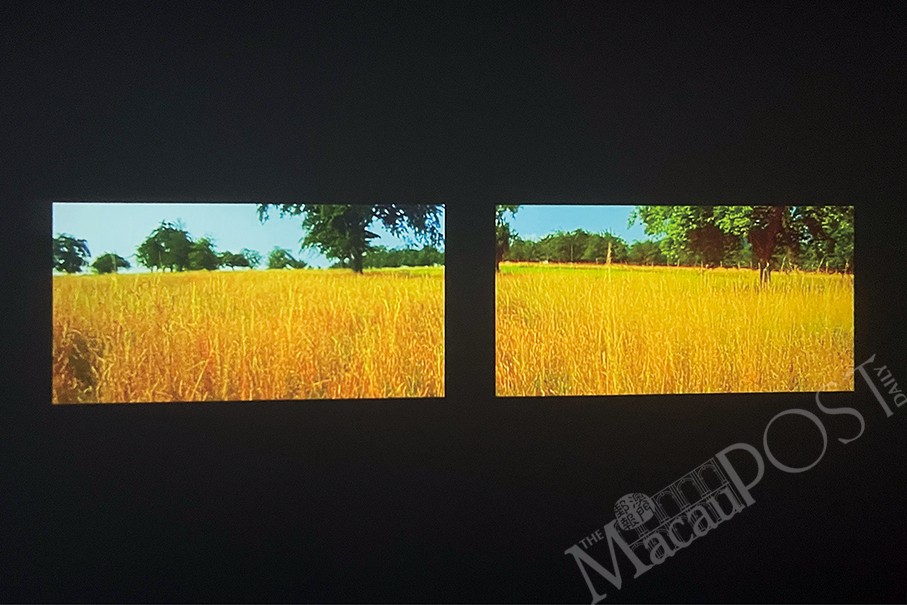
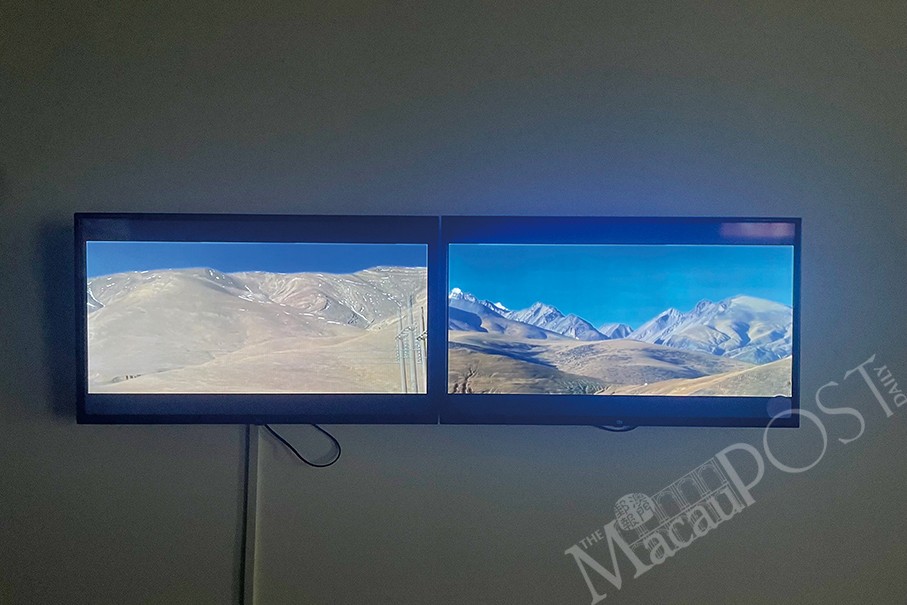
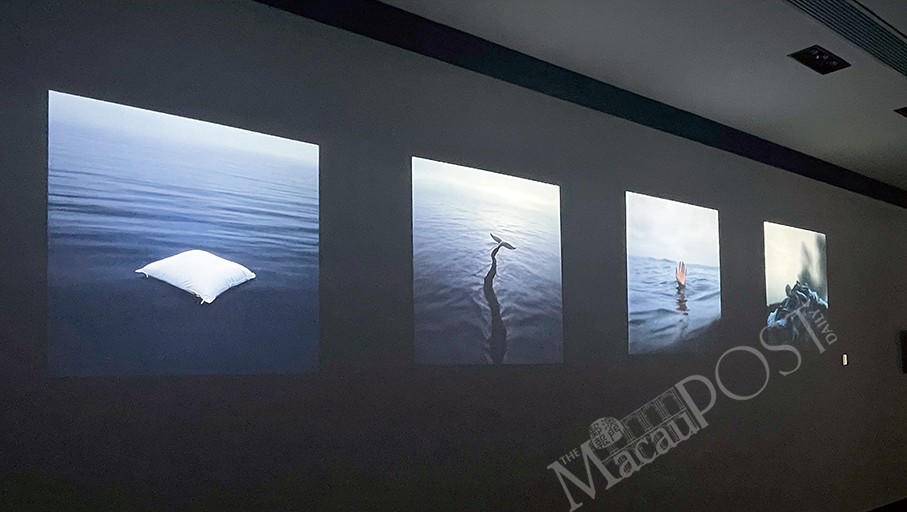
The exhibition features work by three generations of artists. French video art pioneer Robert Cahen presents his signature slow-motion pieces that manipulate our sense of time, while local artist Alice Kok (郭恬熙) contributes AI-generated works examining digital memory and consciousness. Local artist Catherine Cheong (蔣靜華) completes the trio with experimental video works that challenge perceptions of duration and recollection.
The statement emphasised how the exhibition builds on French philosopher Henri Bergson’s* theories about the “memory of the present”. Visitors can engage with installations that create immersive environments playing with these concepts, including interactive elements that personalise the experience.
The free-admission exhibition will run through August 28 on the 3rd floor’s 320 shop at The Parisian Macao. Opening hours are from noon to 7 p.m. daily.
* Henri Bergson (1859–1941) was a French philosopher and one of the most influential thinkers of the late 19th and early 20th centuries. He was a leading figure in the tradition of continental philosophy and is best known for his ideas on time, consciousness, intuition, and creative evolution. Bergson’s work had a significant impact on philosophy, literature, and psychology, and he was awarded the Nobel Prize in Literature in 1927. Continental philosophy is a broad term used to describe a set of philosophical traditions that emerged primarily in mainland Europe (particularly Germany and France) in the 19th and 20th centuries, in contrast with analytic philosophy, which became dominant in the Anglophone world. – DeepSeek


Photos: Kristina Vallesteros