

Interview by Rui Pastorin
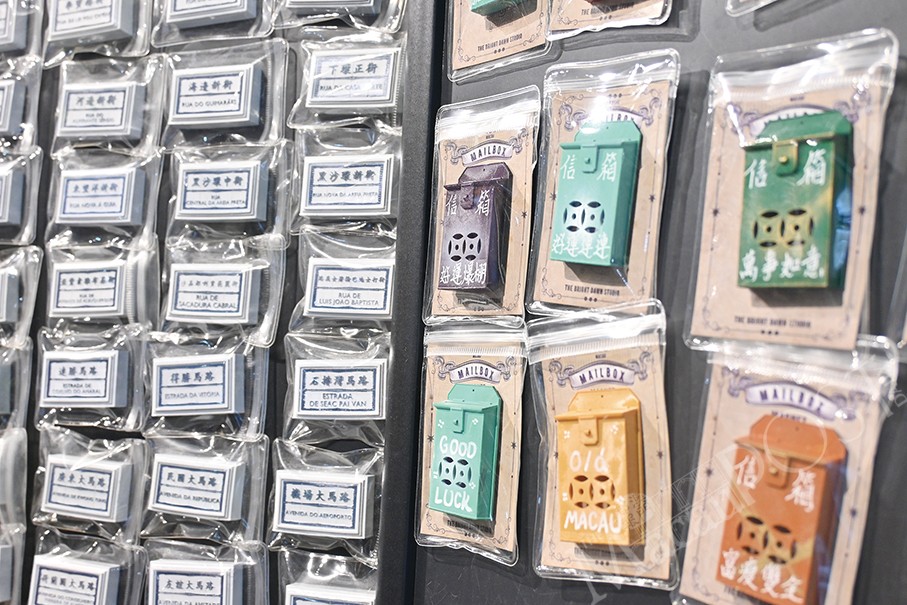
Macau is full of distinct features that are unique to the city, from its blue and white-tiled street name signs in both Chinese and Portuguese down to its buildings with an Eastern and Western flare.
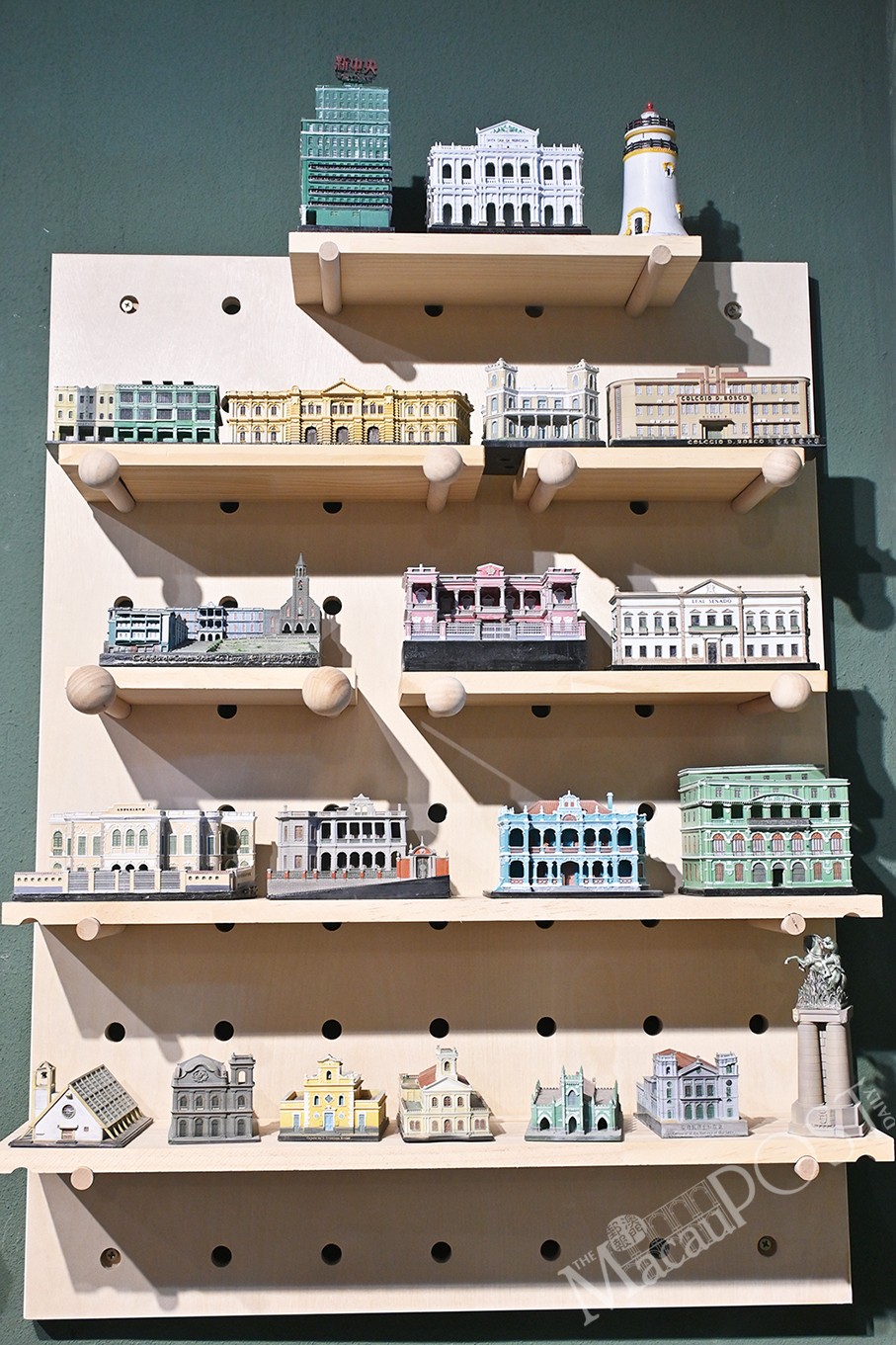
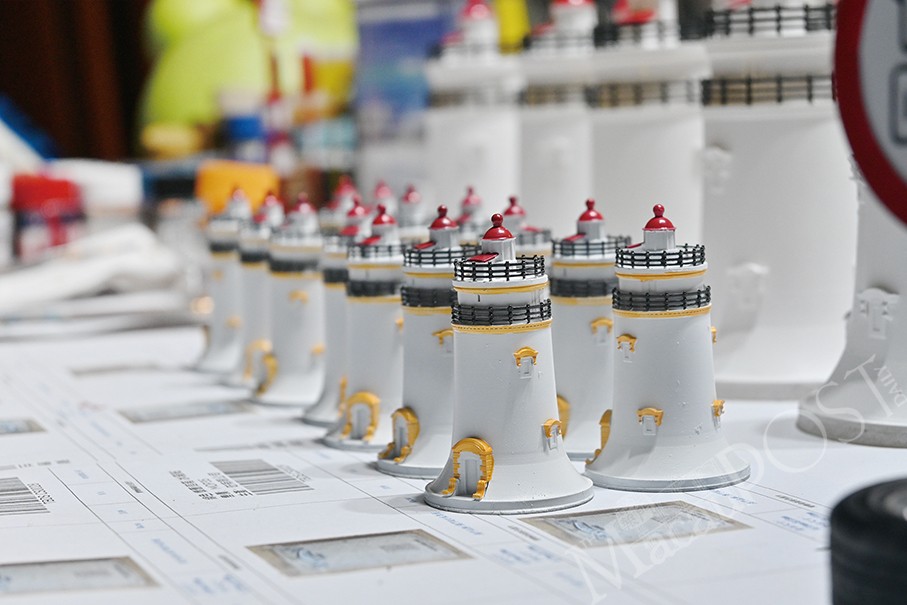
In this regard, what if you could have local landmarks like the UNESCO World Heritage-listed Ruins of St. Paul’s or the Guia Lighthouse in the palm of your hand? Or perhaps Macau’s signature street signs, colourful mailboxes, or bus stops at the tips of your fingers? The Bright Dawn Studio has a way to do just that.
Set on a mission to create 3D-printed miniatures related to Macau to completion and bring recognition to local life and culture, the studio is run by a small team that hopes to provide products that target not only tourists looking to take a piece of the city back home with them, but locals looking for representation. This is their story.
The dawn
Having started the project in 2019, with its current premises on Calçada do Poço (水井斜巷) opening in 2021, the idea behind The Bright Dawn Studio is rooted in a passion for local culture and history, co-founder Alan Lou Kin Wai told the Post in a recent interview.
Lou, who holds a bachelor’s in Macau history and also a master’s degree in History, said that he and his partner, who majored in a course related to cultural history, were researchers that had been working close to the subject when they began to identify the issue: “There’s a lot of valuable culture in Macau, such as our lifestyle, food and buildings. But the problem is no one knows that”.
“We started to think, is there any good way to promote our culture to them [locals and visitors]?, while making a profit,” Lou said.
Brainstorming began and they started exploring what the market could want, throwing around ideas like creating videos and a themed game. But it was making miniatures that really stuck with them and despite not being artists or designers themselves, they decided to pursue the idea, learning skills ranging from painting to using the machines and software necessary to make miniatures, a passion-driven project to create miniatures of everything Macau.
It was not easy, Lou admitted, having to start from zero products. And when the initial products were made, they only earned around 200 patacas in the first month, though he added that it was not a fulltime endeavour just yet.
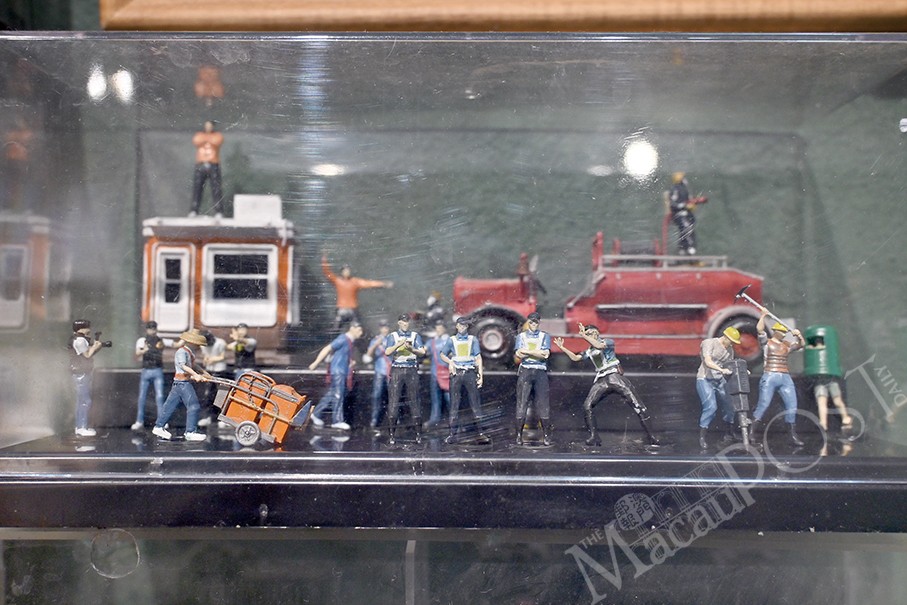
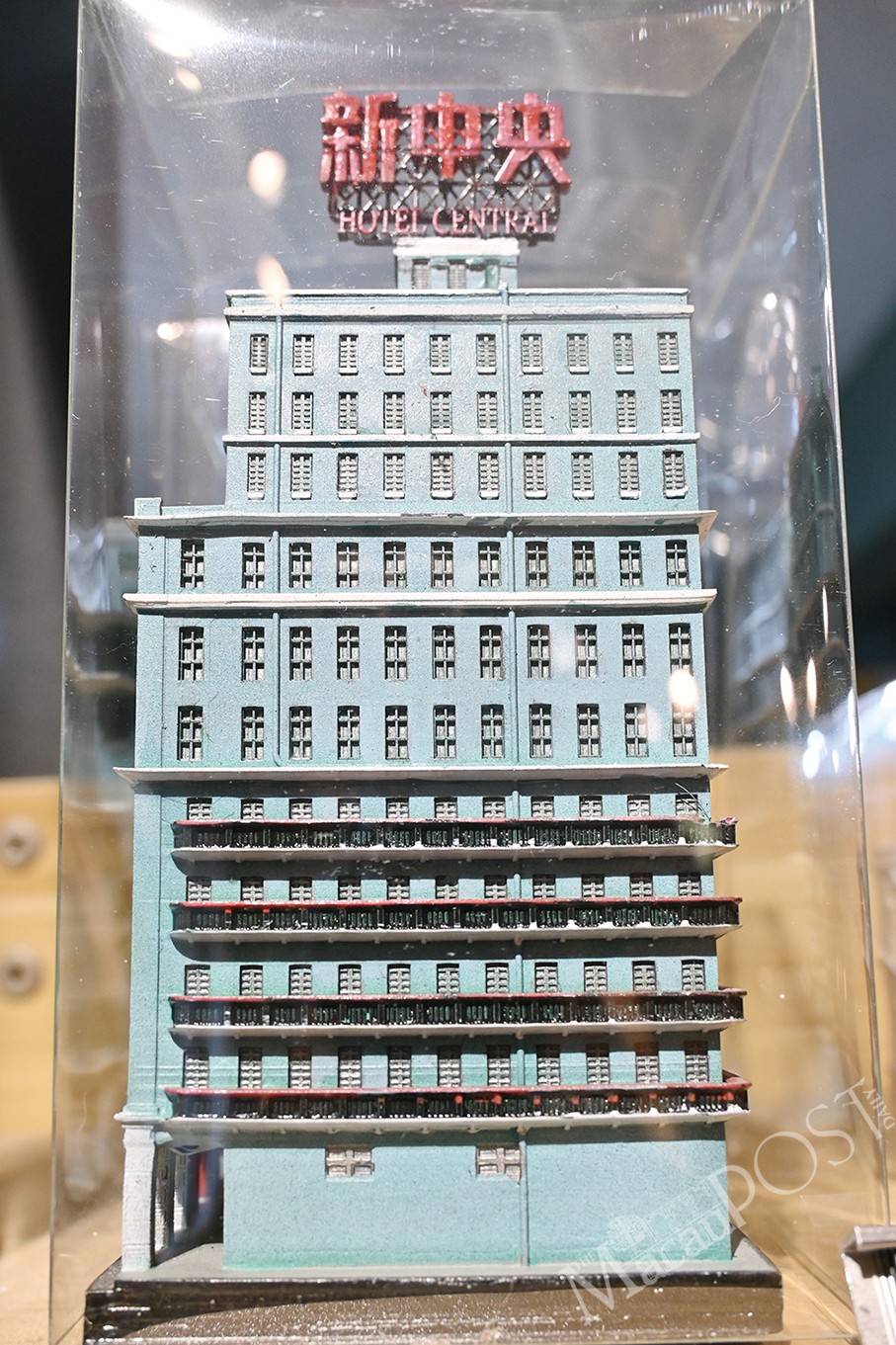
They eventually found their stride, identifying the products that the market wanted. As of the time of the interview, they had made miniatures of close to 30 buildings, nearly 50 objects related to local life and culture, and around 100 street signs, Lou estimated, all sold at the studio. “We have a few products that the market likes and that’s the reason we’re still standing here”. And they hope to keep going.
The 2 markets
The two markets the studio mainly focuses on are tourists and locals, with Lou saying that each group places a “different value” on their products. Tourists might be looking for an affordable, well-made and memorable souvenir that also shows people that they have been to Macau. Locals, on the other hand, might be looking for something related to them, their culture, daily lives, or their memories.
Although there are different products that might appeal more to each group, Lou said that they are all “basically for locals”.
Lou used their fridge-magnet street signs as an example, where tourists can get an affordable souvenir while locals might gravitate to a sign of a specific place, with some even requesting particular signs to be made, which also helps them stand out from those making only signs for specific places known to tourists. “That’s the huge difference between us and other souvenir shops. As long as locals ask for it, we will make it for them”, Lou said.
Aside from requesting particular street signs, Lou said that they also make high-value miniatures mostly bought by locals. “They will spend hundreds of patacas to buy those miniatures because they think those are related to their culture, to their memory”, Lou pointed out.
Lou further highlighted one more reason for wanting to also focus on the local market: “If locals like [our products], they will help you promote them to others”, having garnered support over the years.
Using passion to keep going
Challenges still come each month, but Lou said that it’s better than when they were just starting out, having struggled for a few years. “The most difficult time is the beginning”, adding: “Now, it’s better”.
And while the general market may not be as strong as it was prior to the COVID-19 pandemic, the small team, which went from being a duo to now a trio and a part-timer, they want to keep going as well as figure out how they can continue running the business, earning a profit despite difficult times. Their biggest motivators? Lou said it has to do with passion and strong support.
“Why are we still working on it, even in this very difficult time? Because we want to finish this project, especially since we have already finished half of it”, with completing half of the items in the Historic Centre of Macau being an example. “Details are our greatest teacher”, adding that this might be the best way to also to teach others, particularly the younger generation, about the past.
The support they have received throughout their journey has also been crucial, having been told that that what they do “is very valuable”. Moreover, in terms of souvenirs, there are many shops selling them in Macau, but Lou said that they want to offer something different to those items normally themed after gambling or food such as the ever-present egg tart, all the while being of a higher quality to stand as a better representation of the city, its life and culture, and people. “We need to show them what our life really is all about”.
Moving forward, the studio looks towards promoting Macau and its life and culture in other ways, tackling other ideas such as pursuing a Macau-themed game, a plan that started this year, and even animation.

The Bright Dawn Studio co-founder Alan Lou Kin Wai poses after the Post’s recent interview. – Photos: Rui Pastorin