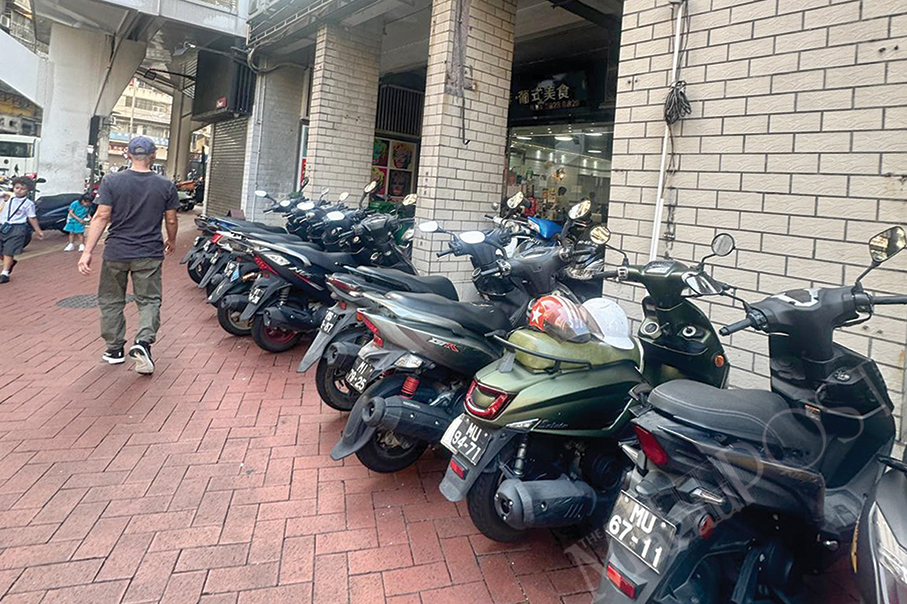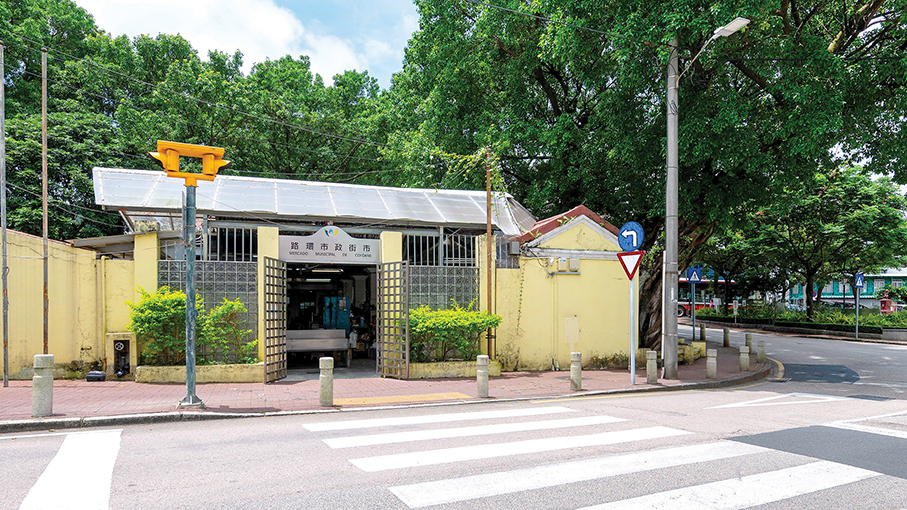


The government is studying the feasibility of temporarily pedestrianising Old Taipa Village and Rua de Nossa Senhora do Amparo in one of the city centre’s old quarters – known in Cantonese as “Laahn Gwai Lau” – during the Chinese mainland’s upcoming National Day Golden Week holiday period, according to a statement jointly released by several public entities yesterday via the Government Information Bureau (GCS).
“Laahn Gwai Lau” (爛鬼樓), which literally translated means “Rotten Devil Building, is a sarcastic nickname for a dilapidated tenement building long gone, in the neighbourhood close to Rua dos Mercadores (營地大街) which is part of the UNESCO-listed Historic Centre of Macau.
The statement said that, in recent years, the government has implemented the temporary pedestrianisation of certain areas in Old Taipa Village on multiple occasions during public holiday periods, a measure that “has gained recognition from all sectors of society”.
Consequently, the statement said, the government plans to set up a temporarily pedestrianised area in the “Laahn Gwai Lau” area during the mainland’s upcoming National Day holiday to ensure pedestrians’ safety in the densely populated area near the St. Paul’s Ruins.
According to a previous State Council announcement, the National Day Golden Week will run from October 1 to 8.
The statement noted that representatives from local community organisations and commerce associations have expressed their support for the initiative both areas.
Those entities, according to the statement, hope that both initiatives will draw on the successful experience of implementing pedestrian zones in Old Taipa Village, providing residents and tourists alike with a better and more convenient travel experience during the long holiday period, the statement said.
The owner of Gelato Coffee, surnamed Fong, told the Post yesterday that he was not yet familiar with the specifics of the pedestrianisation plan for Laahn Gwai Lau, where his shop is located. Having been open for only two months, his shop has not yet noticed a significant increase in holiday customer traffic, he said.
Fong said he believes that the pedestrianisation could potentially boost revenue. However, he was quick to add that he has no plans to launch special products for the Golden Week holiday. Regarding delivery logistics during the road closure period, he intends to adjust the schedule to avoid any conflict. Overall, Fong said he maintains a wait-and-see attitude towards the policy’s effectiveness.
The owner of the area’s HoHo Market shop, who asked not to be named, told the Post that he has reservations about the pedestrianisation plan for Laahn Gwai Lau during the Golden Week. Based on eight years of operational experience, he noted that road closures could lead to tourists “just passing by without entering” - pushed forward by dense crowds who tend to move quickly through the area without stopping to spend any money, resulting in weaker business compared to ordinary days.
He pointed out that without supporting measures like removing obstacles and optimising pedestrian flow, road closures might exacerbate crowding and increase safety risks. He suggested the government collect actual feedback from local businesses rather than relying solely on foot traffic data, and adjust the plan promptly if it turns out to be ineffective.
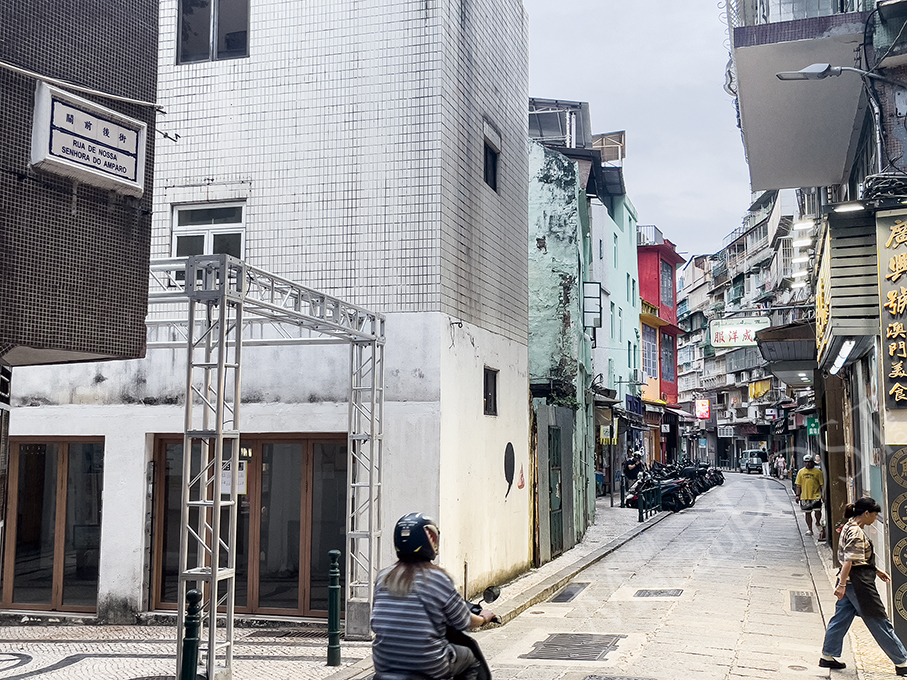
Pedestrians walk past shops on Rua de Nossa Senhora do Amparo in the UNESCO-listed Historic Centre of Macau’s “Laahn Gwai Lau” neighbourhood yesterday. – Photo: Armindo Neves