

Interview by William Chan
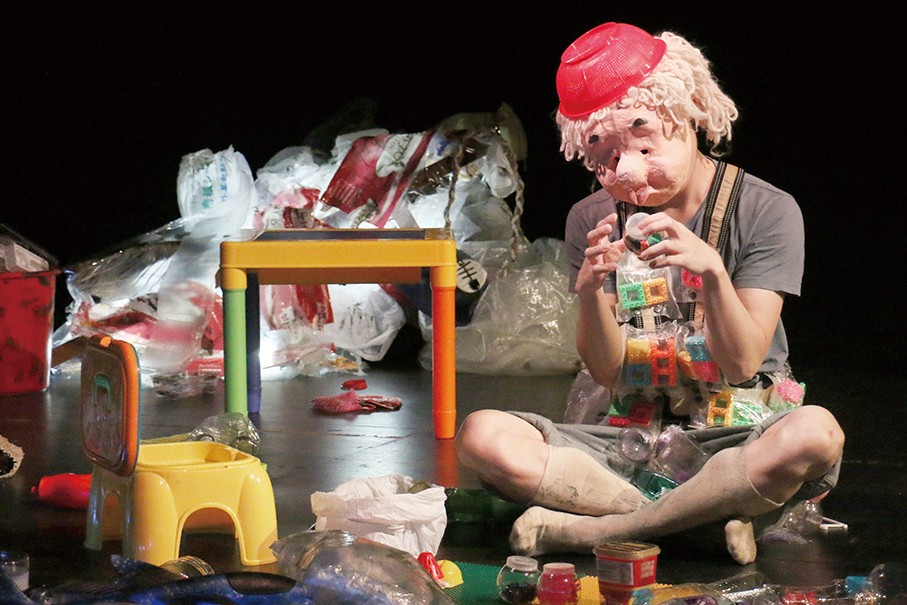
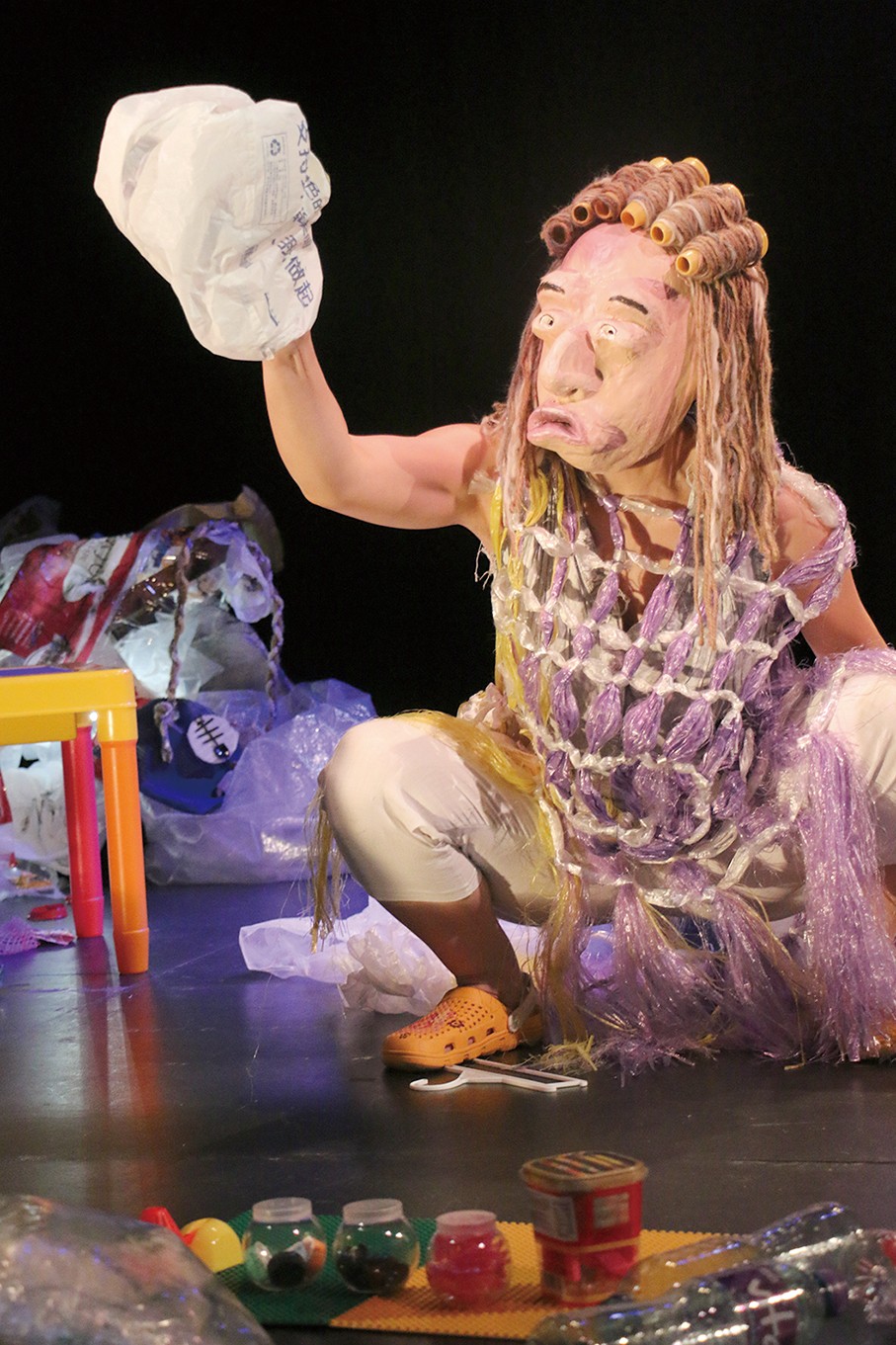
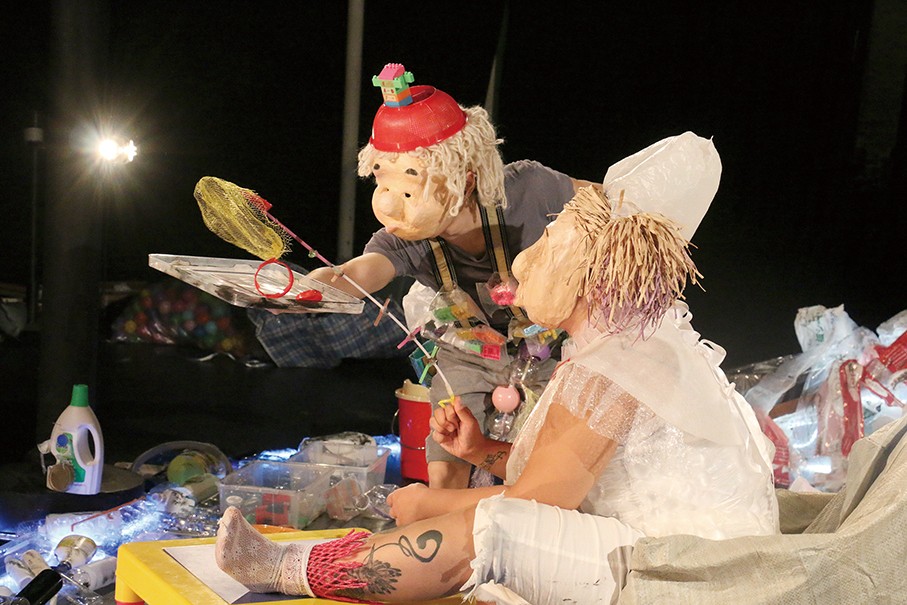
The latest creation by Hong Kong art organisation Free to Play Theatre, “Plastic Island” – a rare and comprehensive full-mask production in Hong Kong theatre – will be staged from January 30 to February 1, 2026, at the Tai Po Arts Centre Black Box Theatre, Hong Kong director Sheena Cheung (張君洳) told the Post in a recent interview online.
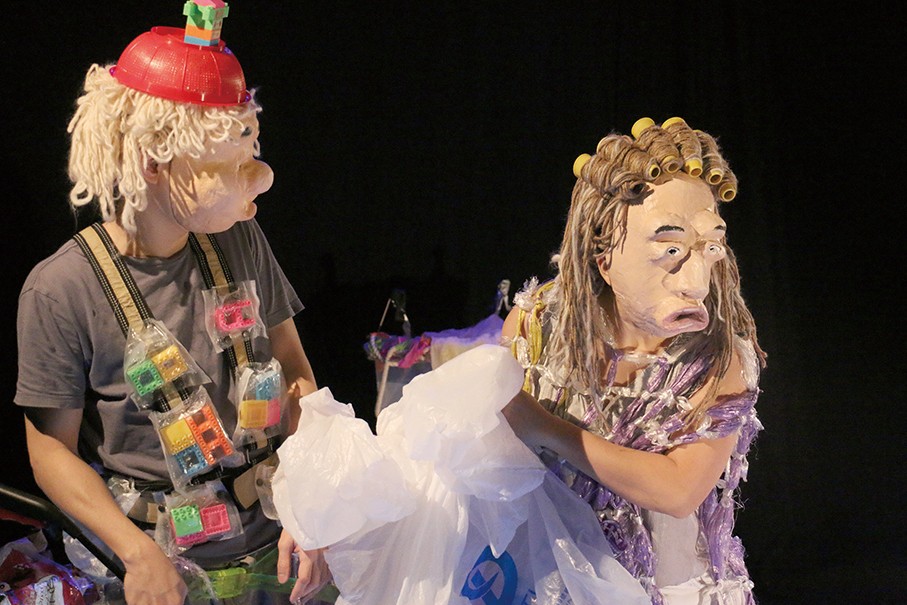
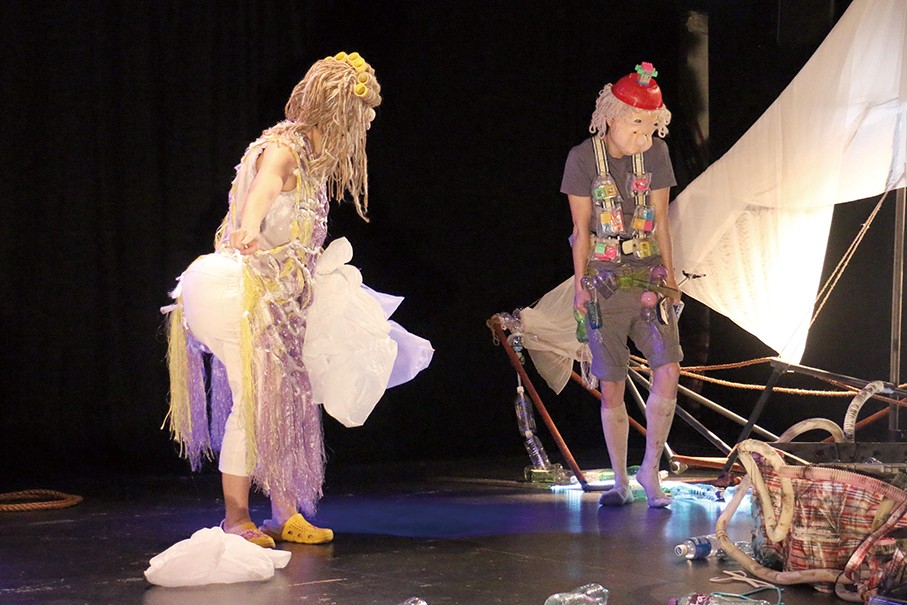
According to a description of the play, it uses a unique blend of full masks, physicality, and musical rhythm to construct a non-verbal narrative. Wrapped in absurd humour, it guides the audience on a search for the “lost warmth” in modern life. “This production is not only a poignant allegory of family struggles but also the culmination of the theatre troupe’s decade-long exploration into the expressive power of masks, clowning, and physical language,” Cheung said.
The Power of Silence
“The decision to use a non-verbal format is a deliberate strategy for deeper communication,” Cheung said, adding she believes that removing the barrier of language appeals directly to the audience’s innate empathy and sense of humour, allowing for a more immediate encounter with genuine human reactions. “When the defence of words is dropped, the full spectrum of human nature – selfishness, connection, good, and evil – is magnified through the body.”
Cheung noted that the elements of masks, clowns, and puppets are inherently distanced from human characteristics. This “non-human” paradoxically makes it easier for the audience to be touched by extremely humanised emotions, achieving a kind of “reverse intimacy”. The mask, in this context, does not conceal; it reveals, amplifying the fragility of humanity while simultaneously releasing its warmth.
Meanwhile, according to Cheung, the “Plastic Island” serves as a profound reflection on the dilemmas of contemporary living. She described it as “the concrete stage for our inner struggles and social character flaws”. It symbolises the chaos, inescapability, and overwhelming nature of modern life, reflecting how consumerism has shaped us into unwitting accomplices.
The production’s stage energy is a result of the cross-cultural collaboration between Cheung and French artist David Bensimhon. Bensimhon, a director and music designer, integrates the improvisation, freedom, and rhythm of jazz into the mask theatre. Using a foot-powered music machine and layered rhythmic cues, he guides the audience through the story’s development and the characters’ emotional shifts without dialogue. The music transcends background status to become an organic part of the narrative structure, forming a counterpoint of sound and action with the actors’ physicality, together constructing the absurd atmosphere of the Plastic Island.
Errors & awkwardness
Central to Free to Play Theatre’s aesthetic is the embrace of “errors” and “awkwardness” as a means of exposing human truth. This aesthetic holds particular therapeutic significance for Chinese audiences, who often harbour a deep-seated fear of failure. The world of the mask and the clown openly presents every pause, every misstep, and every unexpected reaction. By embracing clumsiness, the characters achieve an undeniable authenticity.
Cheung suggests that in a city accustomed to being stressed, the public, collective “imperfection” presented on stage becomes a precious sigh of relief. The team draws inspiration from the principle of French master Mario González: “A mistake is not a disaster – it is an entrance”.
The narrative thread of the play is the universal human state of being lost and searching. “Being lost is not a flaw but the most honest state of humanity. The mask externalises this state: every clumsy movement, every moment of hesitation or panic, is a concrete manifestation of being lost.
The lost warmth that the audience ultimately finds is defined by Cheung as a sense of accepted ease. “In a hyper-efficient, success-driven metropolis, we are conditioned to hide our panic and awkwardness. Yet, the imperfect characters on stage struggle, collide, and even embrace one another in the most honest state. The audience is offered a mirror – one that reflects that it is acceptable to be vulnerable and lost, and yet still worthy of being seen and connected”
Cheung concludes: “If this play carries any warmth, it is certainly not a flame we deliberately ignited. It is the subtle warmth of resonance that quietly rises in the audience’s heart when they recognise themselves in the eyes of the characters. What theatre can do, perhaps, is to protect this tiny light, preventing it from being extinguished by reality”.
To more information and ticket purchasing, visit:
https://art-mate.net/doc/88746
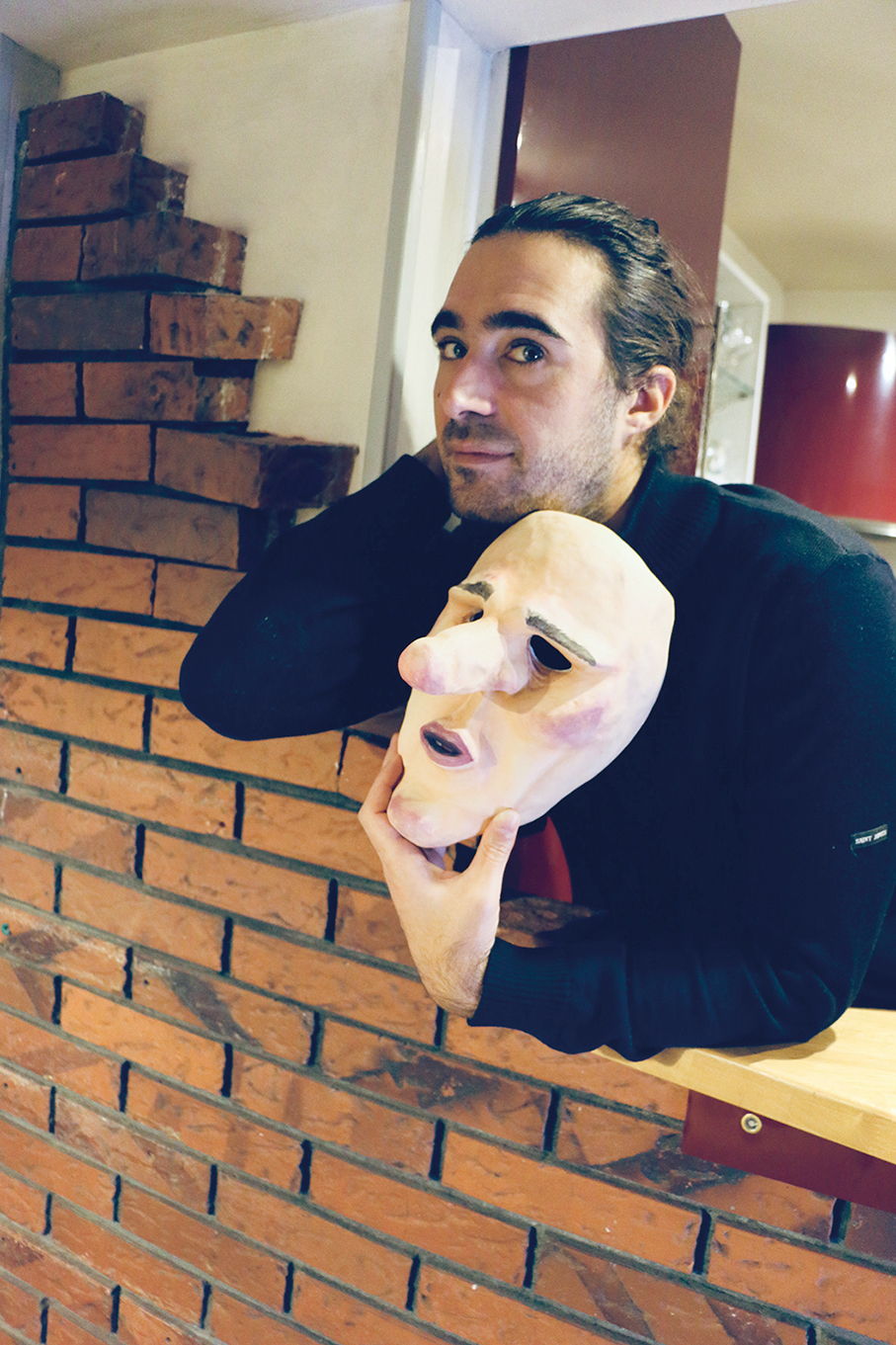
This undated file photo shows French artist David Bensimhon posing.
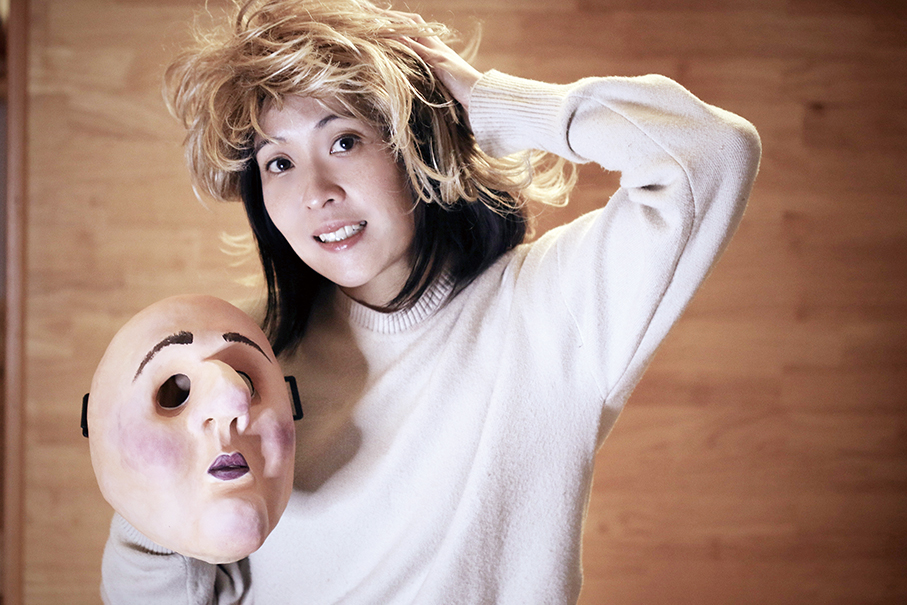
This undated file photo shows director Sheena Cheung posing.
– All photos provided by Free to Play Theatre