

Interview by William Chan
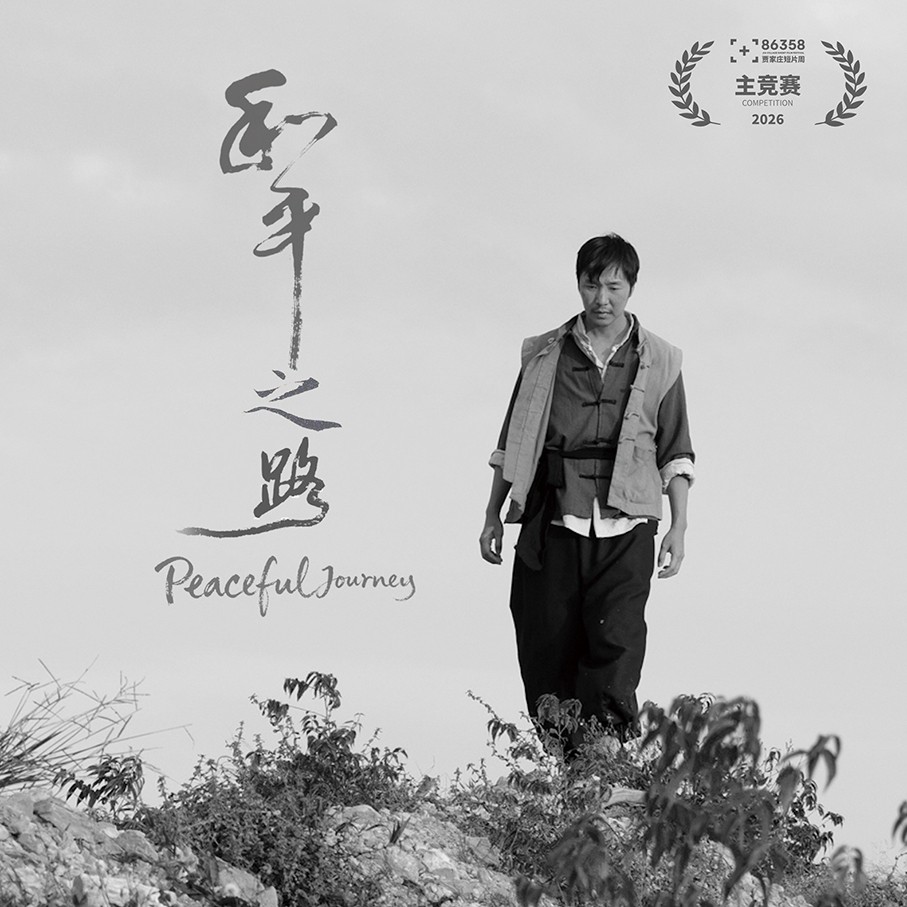
Following the success of last year’s “The Rhythm of War” (烽火之聲) – which depicted Macau compatriots supporting their nation’s resistance during the 1938 fall of Guangdong through the narrative of a Ne Zha opera troupe* – local filmmaker Keo Lou (勞嘉濠) has continued exploring wartime themes with his latest release, “Peaceful Journey” (和平之路), as he told the Post in an online interview last week.
Directed by Lou’s longtime collaborator Sam Choi (蔡德銘), with Lou starring and co-producing, “Peaceful Journey” is a black-and-white narrative short film. While both short productions received financial support from the Macao Cultural Development Fund and draw upon the War of Resistance Against Japanese Aggression, they offer starkly contrasting artistic perspectives and storytelling styles.
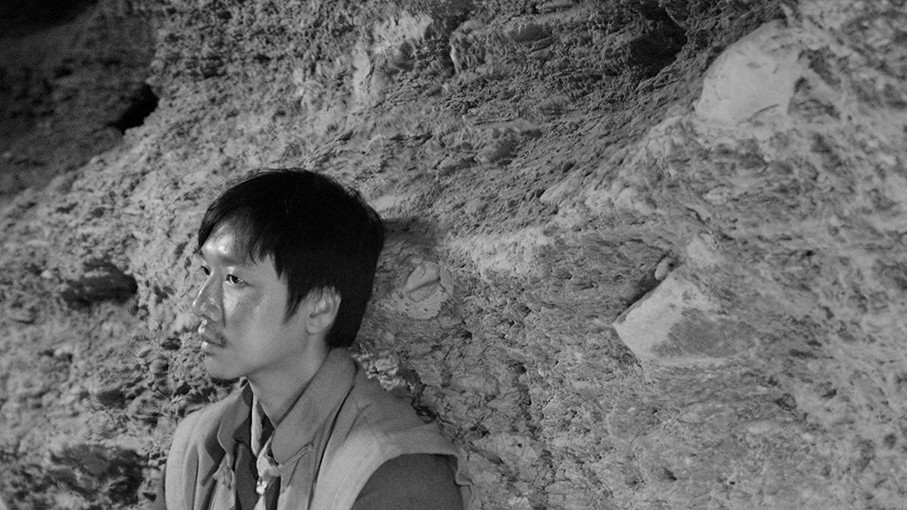
Where “The Rhythm of War” relied on a direct narrative with intense dramatic conflict, as I wrote in my review of the 15-minute film earlier this year, “Peaceful Journey” abandons traditional, grand, soldier-centric wartime narratives entirely. Instead, it turns an intimate lens toward the deep psychological trauma experienced by ordinary civilians amidst war. Set in the winter of 1938 following the fall of Guangzhou, the story follows a farmer, played by Lou. After losing his seven-year-old son while fleeing the invasion, the farmer backtracks into the war-torn wilderness of Wuyi and Jiangmen to search for the boy, clutching only a remaining wooden pendant.
Rendered in stark monochrome, Lou noted that the film depicts the protagonist trapped in an agonizing, endless loop through deserted villages. As surrounding refugees flee toward Hong Kong or Macau – urgently urging him to seek safety in Macau as well – the farmer remains obsessively fixated on finding his son. Rather than showcasing physical battles against enemy forces, the film focuses on the devastating psychological destruction inflicted on ordinary people. “This intense inner conflict and poignant atmospheric depth ultimately earned the short film significant praise from international film festival judges,” Lou underlined.
The short film has not yet been released to the public.
Lou’s versatility in filmmaking
Transitioning between the roles of producer, director, and actor has provided Lou with a valuable perspective on cinematic style. He noted that visual language in cinema is infinite: straightforward commercial styles easily attract mainstream audiences, while introspective works expand global awareness through international film festivals. “Crafting two drastically different films under the exact same historical backdrop served as an invaluable exploration for our creative team,” he said.
Playing the tragic father required intense physical and emotional immersion, Lou said, adding that to authentically portray a starving father searching for his missing son in a war zone, he grew a full beard over a month and deliberately restricted his food intake to physically experience genuine hunger and emotional exhaustion.
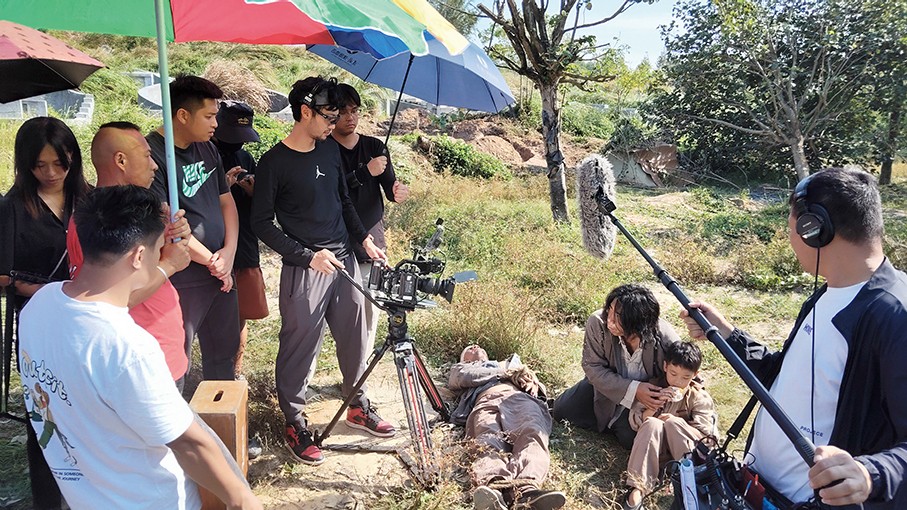
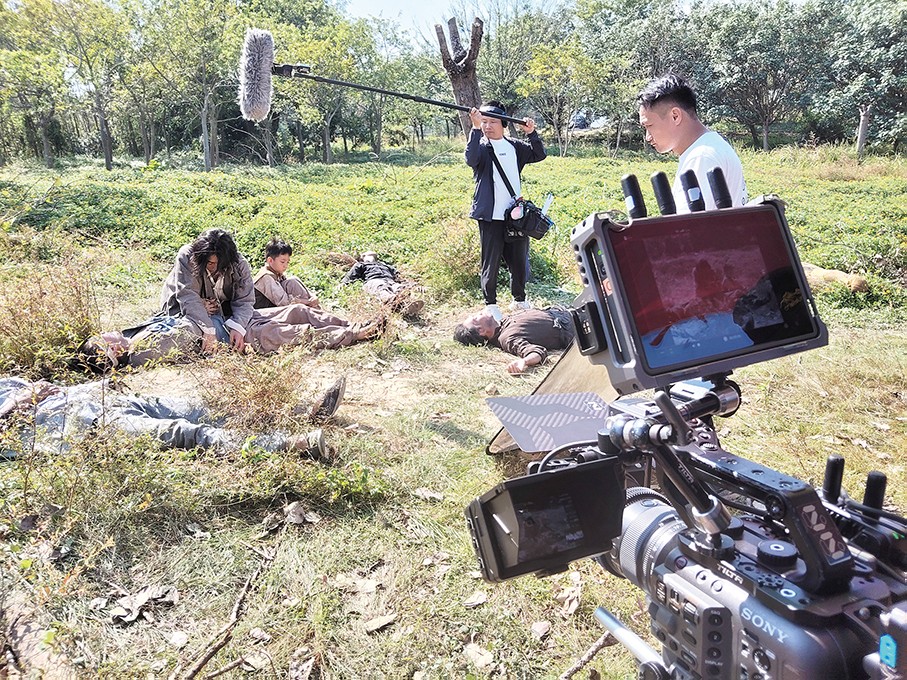
Meanwhile, stepping back from the director’s chair proved surprisingly liberating. Given his long-standing partnership with and deep mutual trust in Choi, Lou felt entirely at ease on set. “When producing, you deal with tedious pre-production logistics like location scouting and budget control, while directing requires pouring all your energy into visual composition,” Lou pointed out. Acting allowed him off-camera moments to step back, observe the overall production workflow, and seamlessly assist the crew whenever minor issues arose.
True self and love
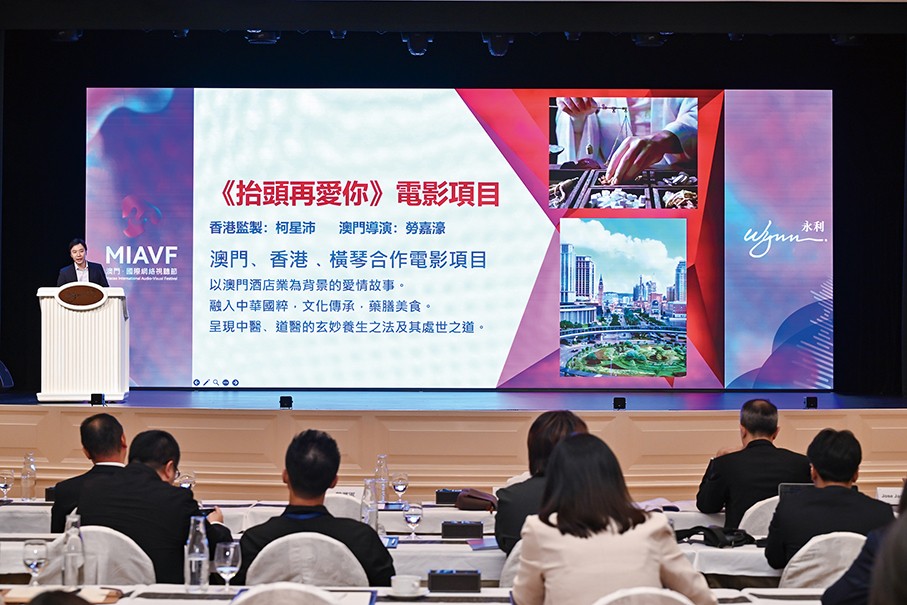
Looking ahead, Lou’s production company is preparing a new commercial feature film titled “True Self and Love” (抬頭再愛你). The project recently secured two million patacas in funding through the Macao Cultural Development Fund’s 6th Feature Film Production Support Programme. Directed by Lou and executive-produced by renowned Hong Kong cinematographer O Sing-pui (柯星沛), the film is planned as an in-depth Hong Kong-Macau co-production aimed at a nationwide cinema release and global distribution.
The feature boasts a high-concept commercial premise set against the hotel industry in Macau and Hengqin, blending modern romantic comedy with family elements. Notably, it integrates traditional Chinese medicine (TCM) culture into commercial genre cinema. Featuring a dual-timeline structure similar to “Cape No. 7”, the movie weaves modern romance with historical TCM heritage. “This approach reflects our ongoing vision for ‘Macau Style’ – using engaging commercial hooks infused with local history and cultural treasures to foster sustainable industry development,” Lou noted.
*www.macaupostdaily.com/news/27379

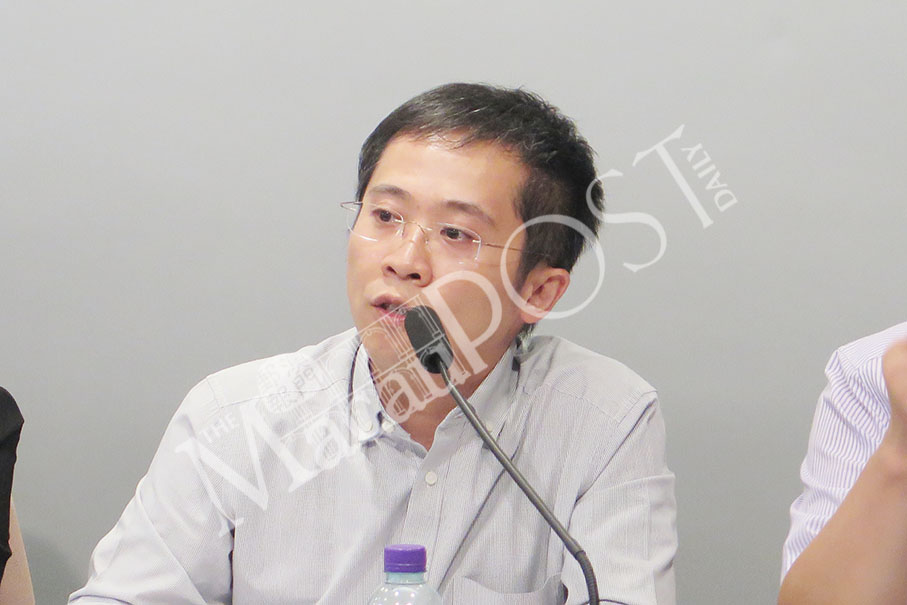
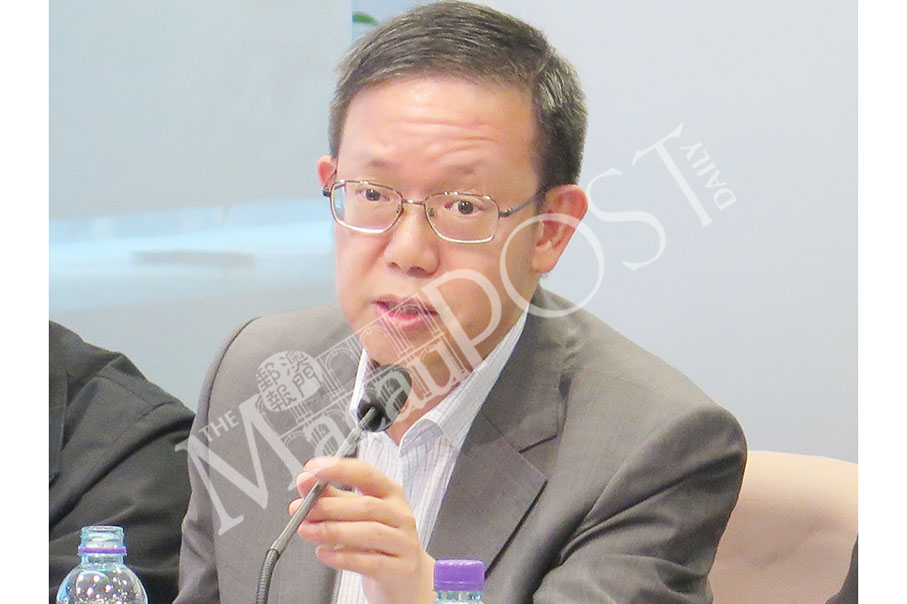
This undated photo shows director Sam Choi (蔡德銘) answering a reporter’s question.– Photos provided by Keo
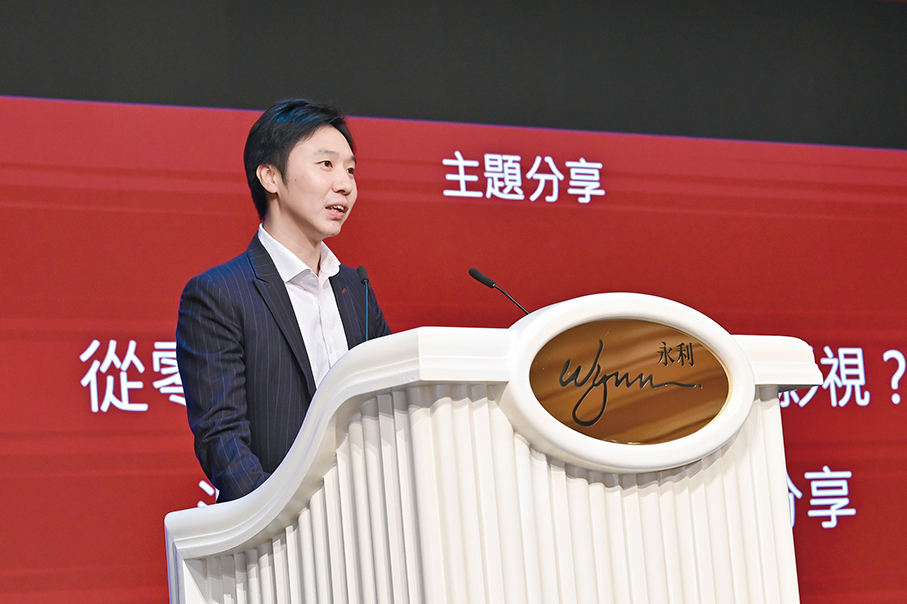
Keo Lou addresses the Macao International Audio-Visual Festival at Wynn Macau in June.
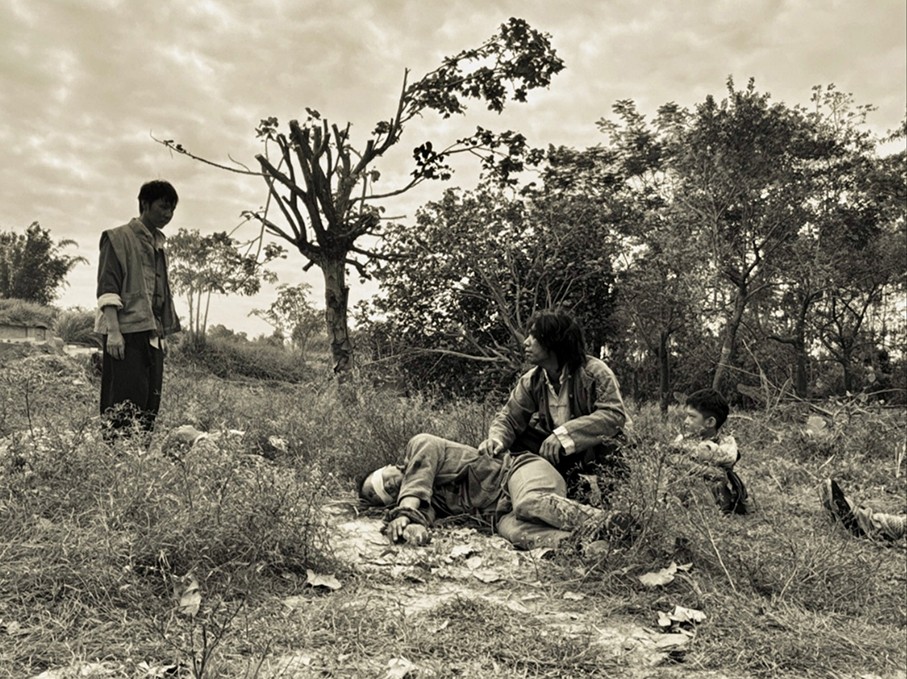
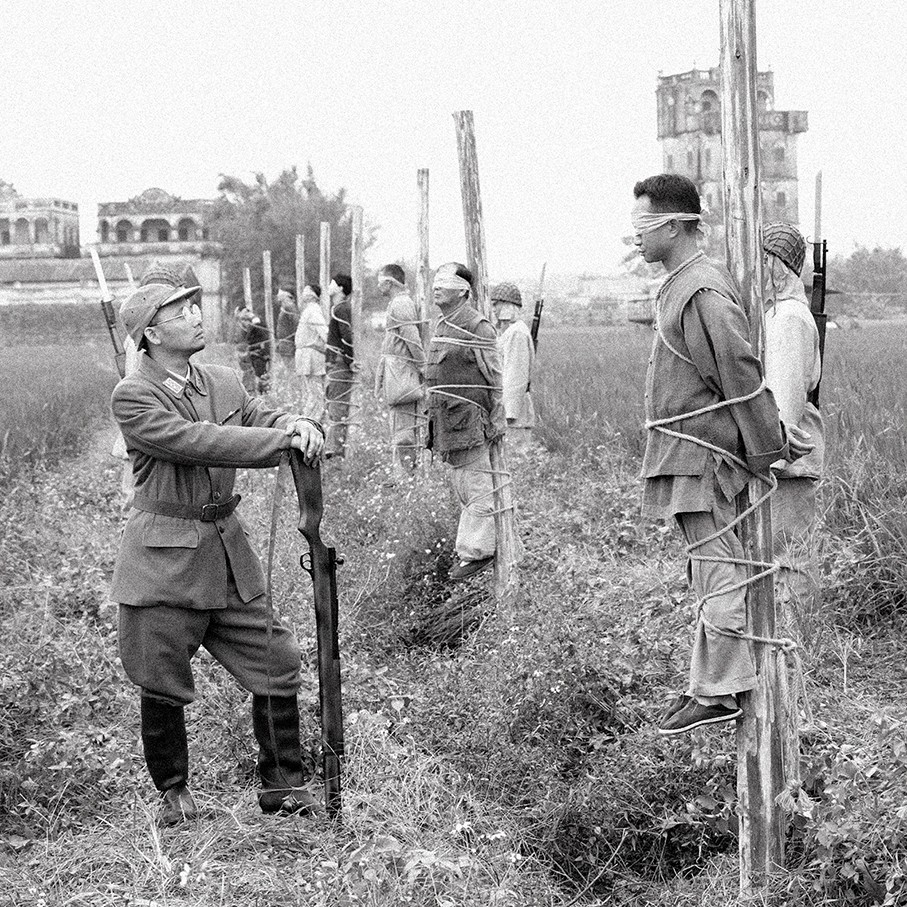
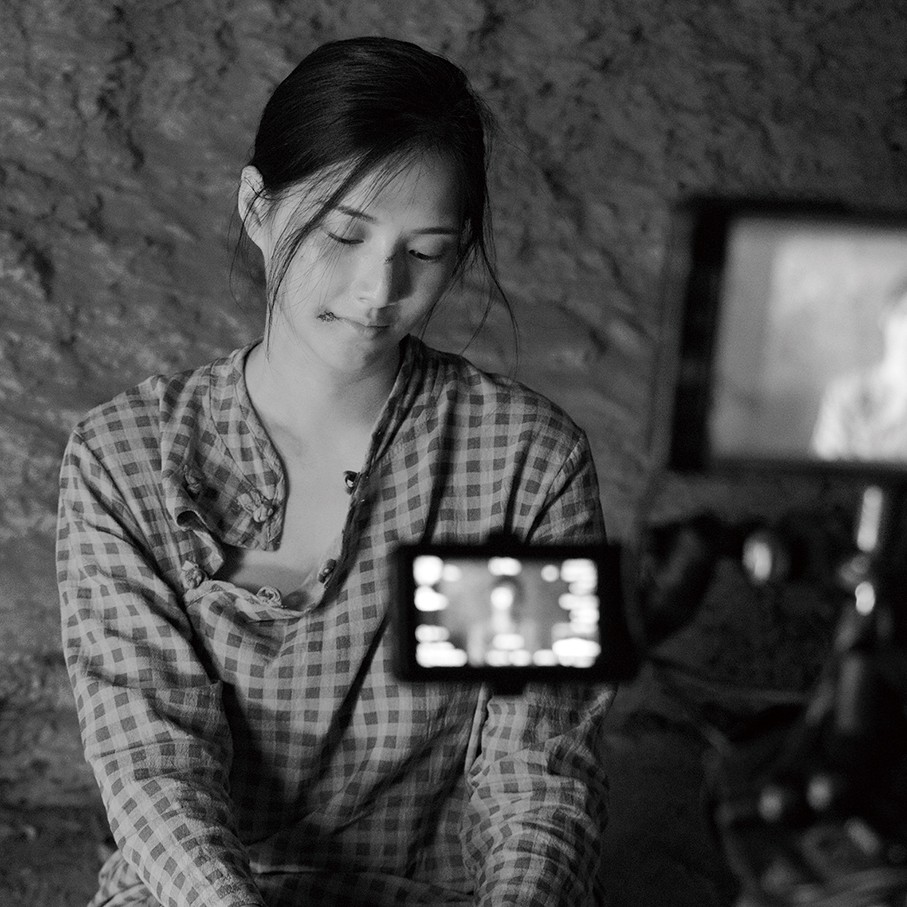
Scenery of Peaceful Journey (和平之路)