

Interview by William Chan
Local art organisation “Macau Space for Dance Idea” is going to complete its two-year “Comprehensive Dancer Training Programme” with the show “Thanks for the Dance” on December 13 and 14 at the Macau Cultural Centre, theatre director Dicky Tsang (曾韋迪) and choreographer Leong Iek Kei told the Post in an exclusive interview last week.
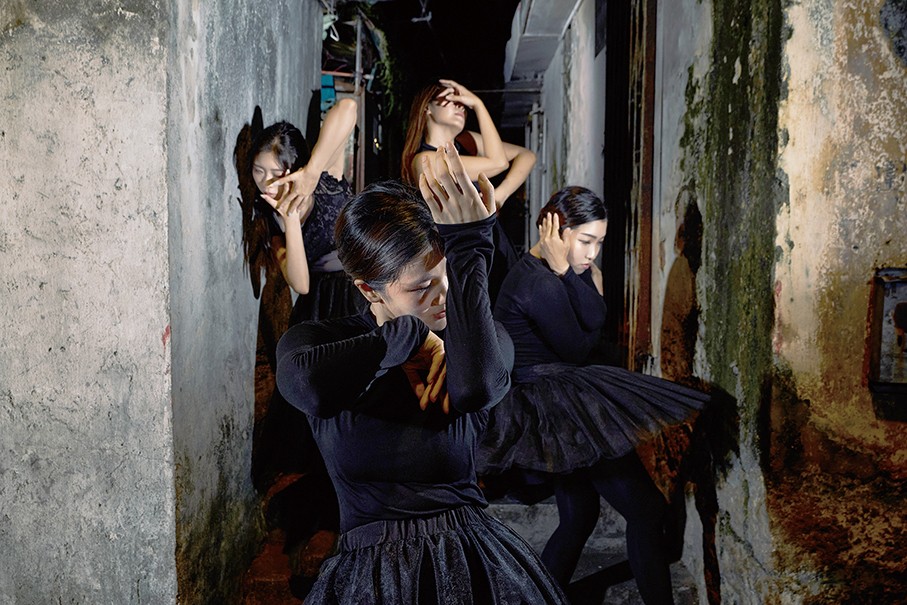
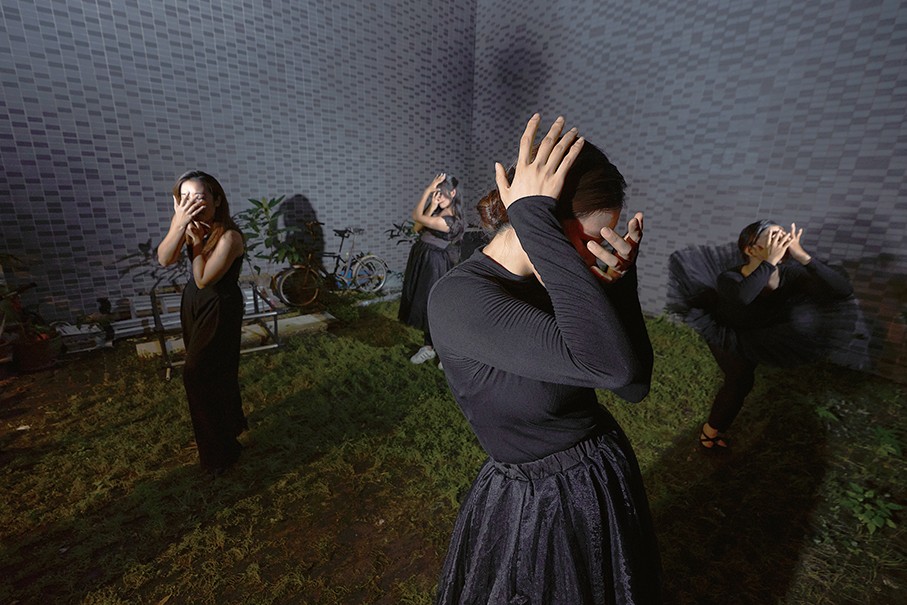
Adapted from the fairy tale “The Ugly Duckling”, this dance theatre piece explores the theme of alienation in the mass and the feelings of anxiety, indifference, and conflict through dynamic physical movement.
The “Comprehensive Dancer Training Programme” which began in 2023, has reached its final phase, and the Post published an interview with the group last year.*
The programme, an ambitious project designed to cultivate a new generation of creative dancers, culminates in a performance that is as much a philosophical statement as it is a showcase of physical prowess. The journey has been a process of distillation. What started with nine hopeful participants has concluded with a core group of three dedicated dancers, a testament to the rigorous and often challenging path towards artistic self-discovery.
The path of art
“The path of art is a difficult one to walk,” Leong noted, who serves as the choreographer and physical training director. The programme deliberately steps away from conventional, academy-style training, which often prioritises technical replication. Instead, it pushes for something more profound: the ability to think, to create, and to possess a unique artistic voice.
“In Macau, there isn’t a great need for a large number of dancers, but there is a need for creative dancers,” Leong explains. “My own experience after graduating was that the skills I learnt were not directly applicable to the Macau market. You can’t just copy what the teacher taught you; you need to use your mind to transform it.”
This philosophy is the cornerstone of the programme. Tsang elaborated on the conceptual framework, which unfolded over three distinct stages. The final performance uses Hans Christian Andersen’s “The Ugly Duckling” as a blueprint to explore complex social questions. “It’s a story everyone is familiar with,” Tsang notes. “A creature that doesn’t belong to the group appears. It is bullied. This allows for a great deal of reflection on social norms. Must we all be the same? Or should one be outstanding? This is directly related to artistic creation and dance.”
For the directors, dance is a language of symbols, a medium for abstract expression that invites interpretation rather than providing simple answers. “We create symbols, and through the interpretation of these symbols, a bridge of imagination is opened between the dancer and the audience,” said Tsang. He views this process as an experiment, a “difficult thing” that challenges both the creators and the viewers. “If it’s easy, it’s not art,” he stated with conviction.
This sentiment is echoed by one of the remaining students, who spoke about their transformative experience. “Before, when I learnt to dance, it was about following the teacher. They gave me the steps, I learnt them, and I performed on stage,” the student, Hun, reflected. “But now, right up to the moment I go on stage, I am still thinking, still exploring. It was unsettling at first, but also incredibly fun. It’s a contradictory feeling.”
This shift in perspective is precisely the success the programme aimed for. Hun now sees every element of a performance – the lighting, the props, the arrangement – as part of a larger symbolic language. “I try to understand now, even if I don’t get it at first. It has sparked a desire to think, ‘What movements can I create? In what direction can I go?’”
Tsang believes that true artistic development cannot be mass-produced in an academic setting. He champions a “master-apprentice” model, where nuanced, core principles are passed down through close mentorship. “The most unique methods of seeing art, which an academy can’t give you, are what we believe in,” he says. To this end, the programme invited masters from various disciplines, including Tai Chi and contemporary dance, to enrich the students’ creative palettes.
The final performance, “Thanks for the Dance,” is therefore not just an ending but a culmination of this intense, two-year dialogue. It is a reflection on the courage it takes to be different, the struggle for an individual voice in a world that often demands conformity, and a celebration of the few who have endured the challenging journey to emerge not as mere dancers, but as true artistes.
Tickets are now available online at 180 patacas: https://form.jotform.com/252798867249480
*
https://www.macaupostdaily.com/news/22658
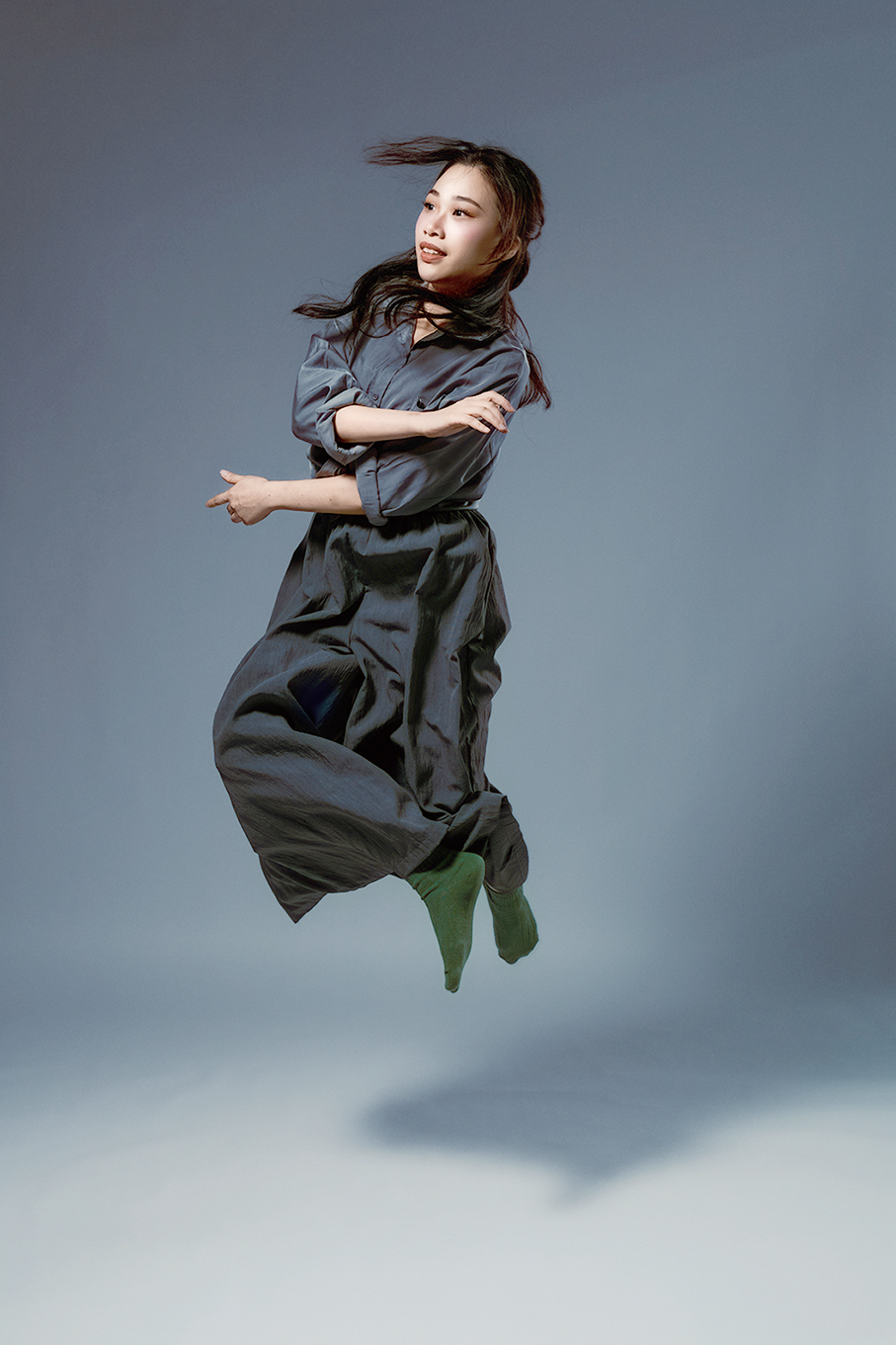
This undated file photo shows dancer Hun posing.
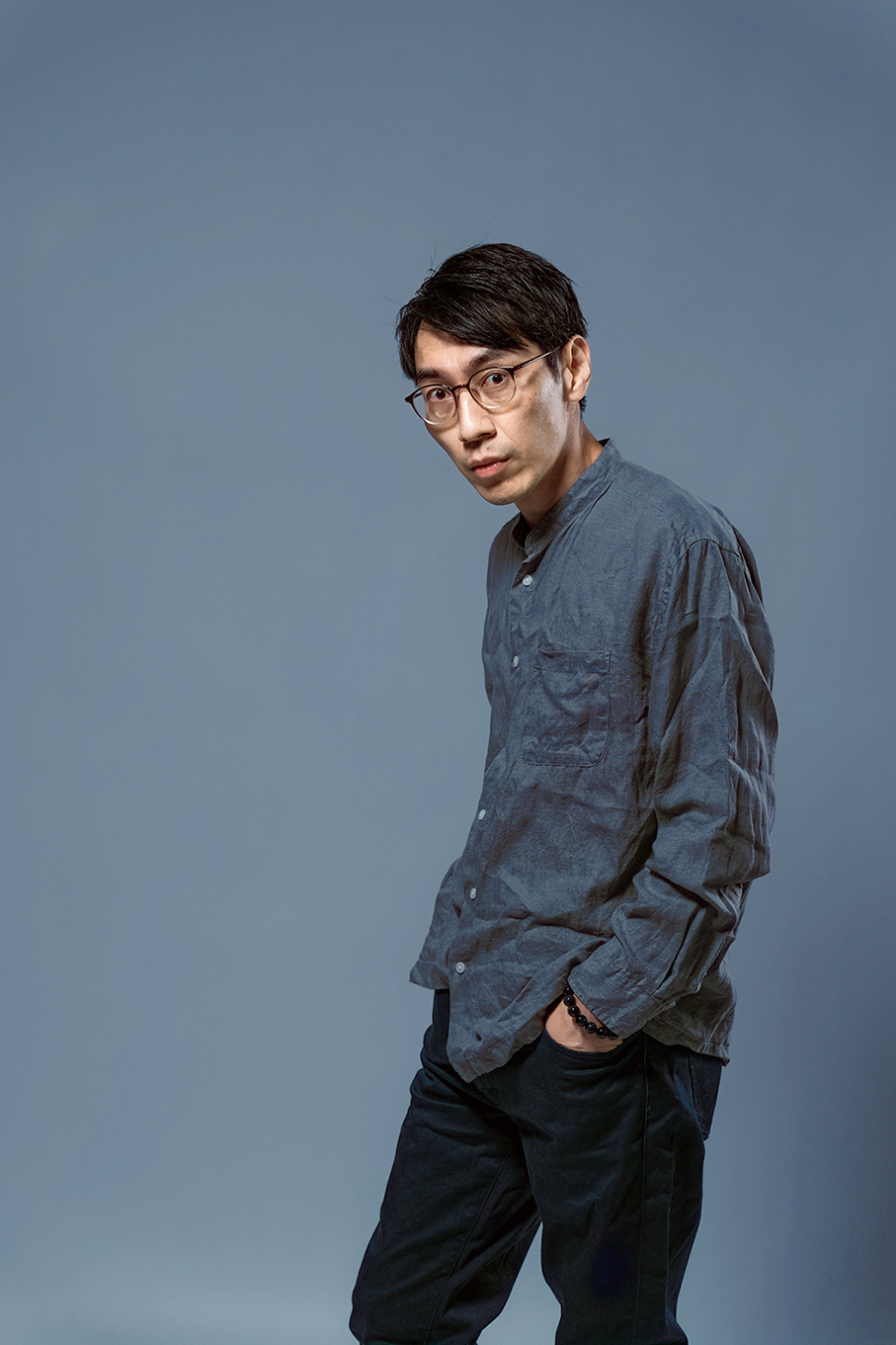
This undated file photo shows theatre director Dicky Tsang posing. – Photos provided by Macau Space for Dance Idea
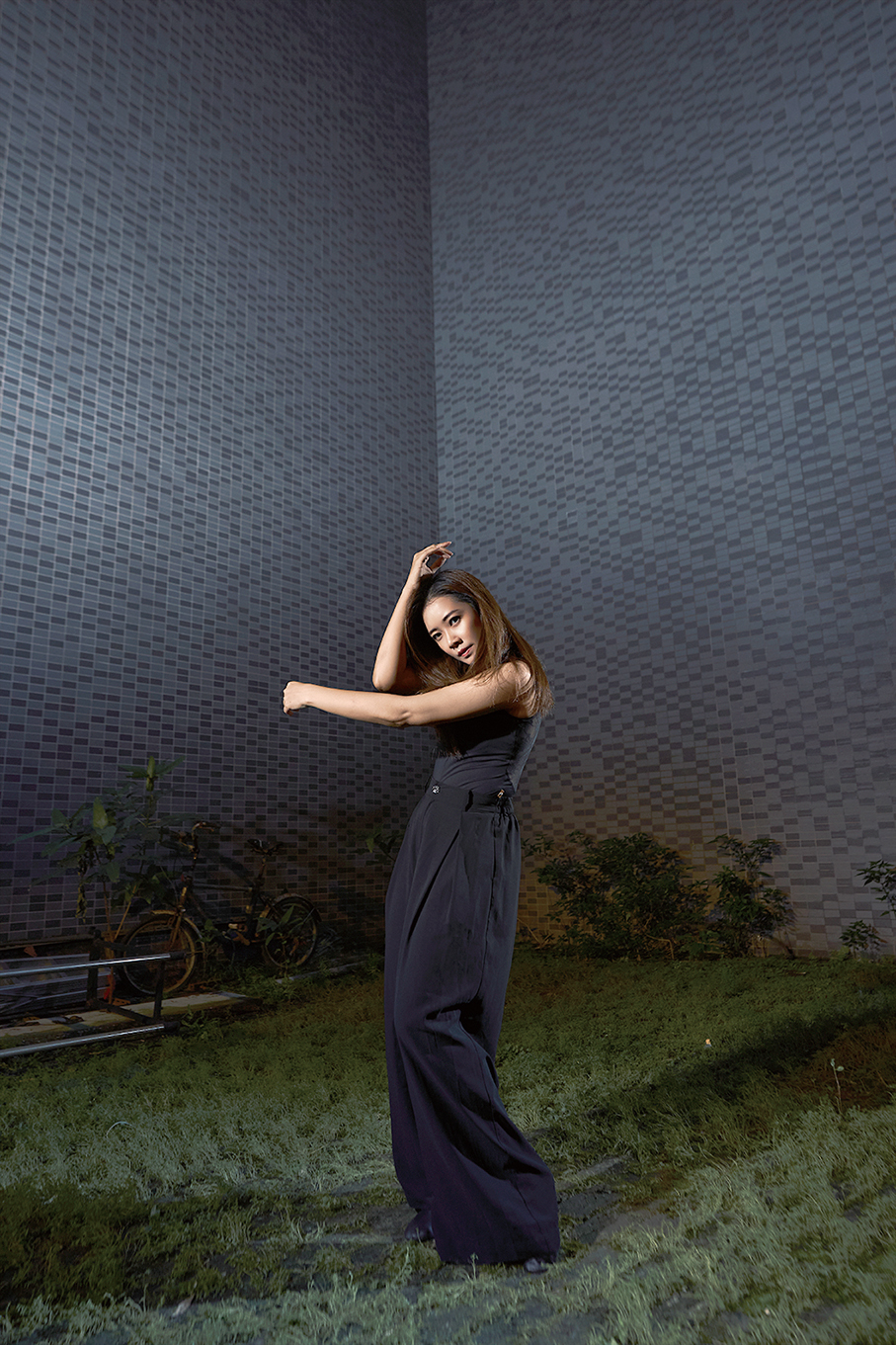
This undated file photo shows choreographer Leong Iek Kei posing.