

Interview and Review by William Chan
After a six-year hiatus, the “Macau Jazz Week” is set for its grand return next week from December 9 to 12, themed “Culture, Literature, and Music,” aiming to integrate the cultural depth of jazz into the lives of Macau’s citizens.
In an exclusive interview with the Post, organiser Mars Lei Siu Hong talked about the upcoming event.
The Significance of the Revival and Curatorial Highlights
Lei first emphasised the significance of the festival’s return, noting that it is the only jazz music festival in Macau and its first revival since 2019. He said: “This time, we specifically combine music and literature, hoping to further highlight the cultural aspect of jazz and attract a wider audience.”
The curatorial highlight is the deep exploration of jazz’s cultural dimension. Both headliners, Tay Cher Siang from Malaysia and YuYing Hsu from Taiwan, have strong connections to culture and literature, and they will be bringing their respective trios to Macau.
Tay Cher Siang’s “Haruki Murakami Project” integrates literary recitation with music, while YuYing Hsu’s solo albums reflect a deep cultural resonance. Lei believes this approach will attract a broader range of culture lovers, achieving the goal of “further integrating jazz into the life of Macau”.
Haruki Murakami is a globally acclaimed Japanese author known for his surreal and melancholic narratives. His works, such as Norwegian Wood and Kafka on the Shore, have earned him numerous awards and a massive international following. Lei noted that the association has also invited Malaysian jazz vocalist Junji Delfino and Chinese-Malaysian writer Li Zi Shu to participate by reading Murakami’s works in Mandarin.
The encounter of Haruki Murakami & jazz
Tay Cher Siang’s “Hear the Wind Sing” project, which merges Murakami’s literature, Malaysian music, and Mandarin recitation, is a major focus.
Lei explained the choice: “Haruki Murakami’s works have been translated into multiple languages, giving him extraordinary influence. More specifically, he is also a renowned music lover, frequently referencing jazz anecdotes and masterpieces in his writings.” Lei added that Tay Cher Siang is also a literary enthusiast and a fan of Murakami. The project was staged in Malaysia before the pandemic, and Lei had long hoped to bring it to Macau.
Lei firmly believes this cross-cultural, cross-disciplinary collaboration holds special significance for promoting jazz: “I believe this special performance can attract a wider range of cultural enthusiasts to experience jazz, forging connections with more diverse communities.” He sees literature as a vital bridge, providing an entry point into the world of jazz for those unfamiliar with the genre.
The Malaysian experience: creativity born from market mechanism
Lei said one of my earliest jazz mentors, taught me the basics. Before I left to study in Malaysia, he introduced me to the music of Tay Cher Siang and his band WYC—whom I finally heard live in a Malaysian bar in 2022.
Discussing his experience with Malaysian musicians, Lei noted the cultural similarities between Macau and Malaysia: “Macau is a place where Chinese and Western cultures coexist, similar to the multicultural environment in Malaysia. As a niche interest, it is not easy for jazz performers and promoters to survive in either location.”
However, the promotion mechanisms differ significantly, Lei admitted. “The biggest difference is that music promotion activities in Malaysia rely almost entirely on market mechanisms, with little government funding. In this regard, Macau is more fortunate.” Nevertheless, he believes this market pressure has spurred boundless creativity among Malaysian musicians: “Because of the difficulty, they have cultivated many different creative ideas and themes to attract audiences, just like this project.” He emphasised that the unique themes generated by Malaysian musicians under market pressure are valuable lessons for Macau on attracting a broader audience through innovative content.
Exchange & education: the thoughtful design of the talks
Free talks by the two headliners will be arranged before their concerts. Lei explained the design philosophy: “Both headliners this time happen to be pianists, and both have a large body of original compositions and albums. Macau Jazz Week not only focuses on high-quality performances but also hopes to achieve the goal of exchange through various activities.”
The talks focus on the artists’ mental journeys and creative processes, rather than just technical discussions. Lei said: “The talks mainly aim to understand their mental journeys and creative thinking—how they develop their personal characteristics and the core concept of each album based on the foundation of music.” This approach allows the audience to gain a deeper understanding of the ideas and culture behind the music, effectively warming up the audience for the subsequent concerts.
For more information, readers can also refer to a previous report by the Post at https://macaupostdaily.com/news/26646. Lei underlined that the performing venues have been changed to the Sifang Music and Arts Association and Bookand on Rua de Inácio Baptista. For details of each gig, visit:
https://forms.gle/CajMcULVGyJKV1NK9
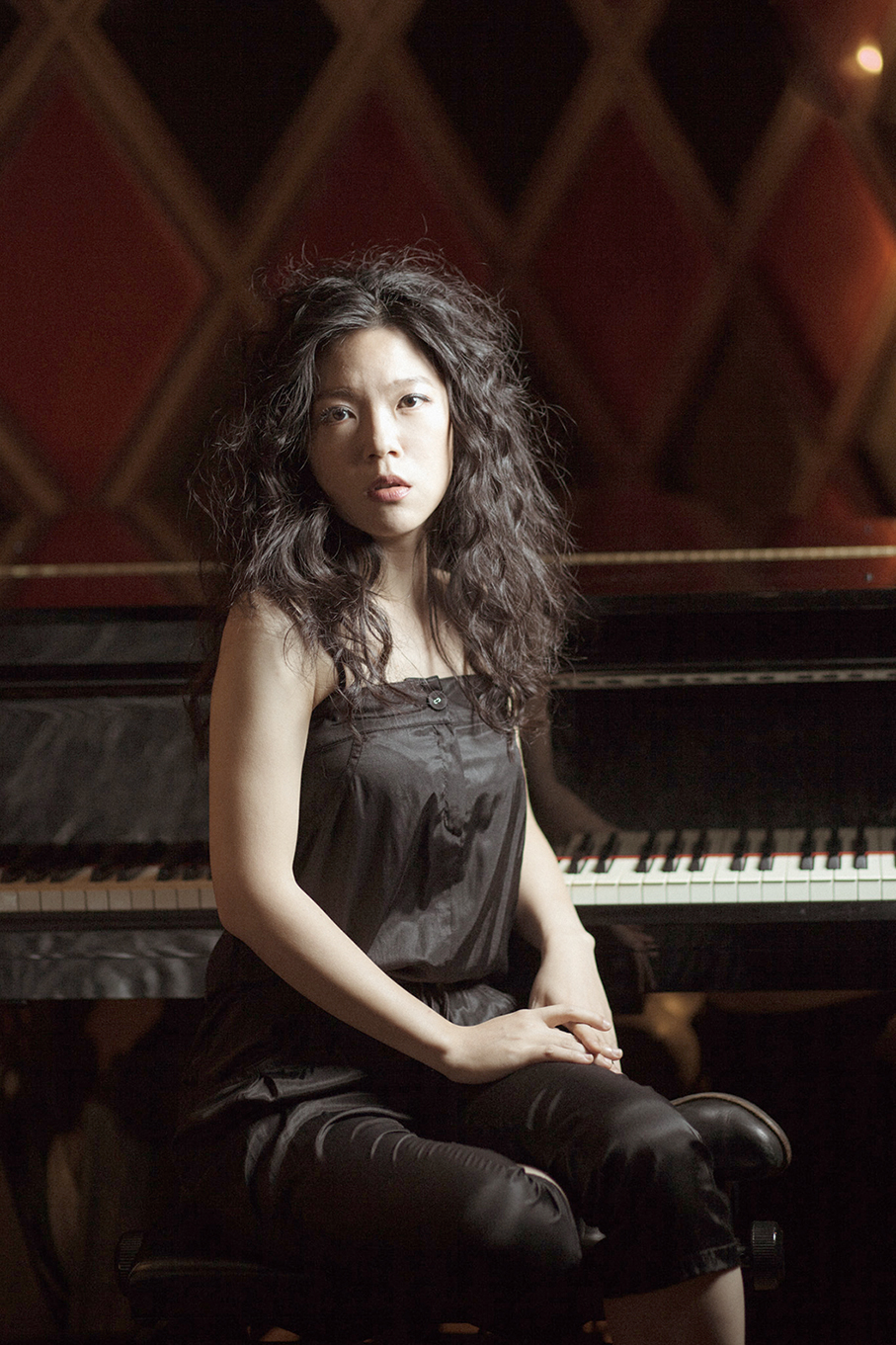
This undated photo shows Taiwanese pianist YuYing Hsu posing. – Photo: Enol Chen
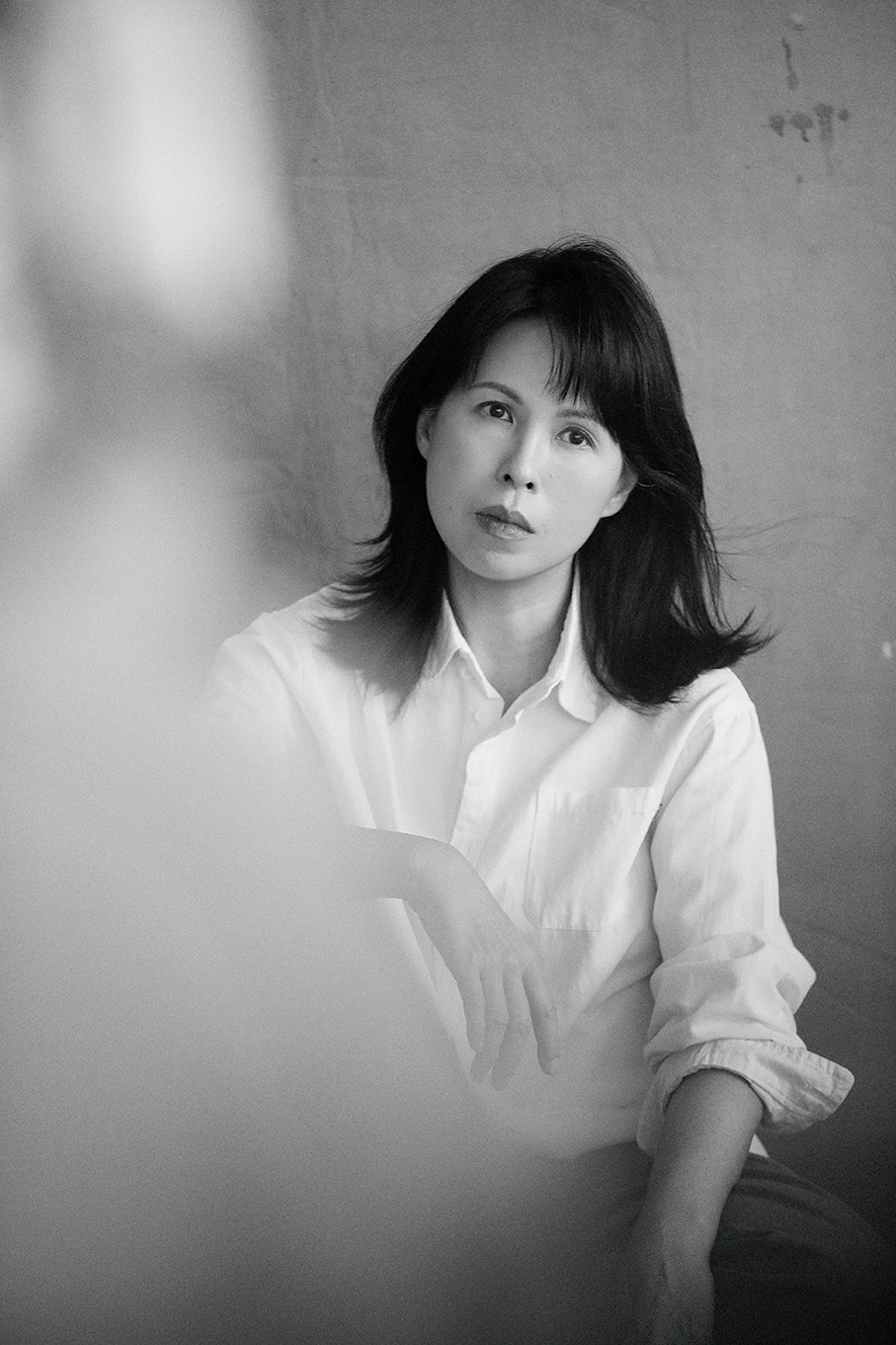
This undated file photo shows Chinese writer Li Zi Shu posing.
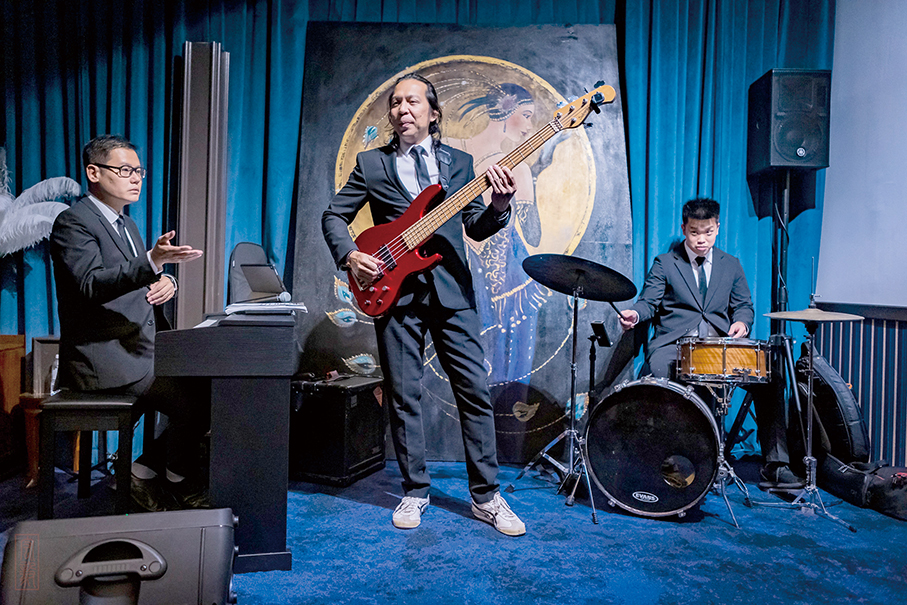
This undated photo shows the Malaysian trio WVC, featuring Tay Cher Siang on piano, AJ Popshuvit on bass, and Adriel Wong on drums. – All photos provided by Mars Lei