

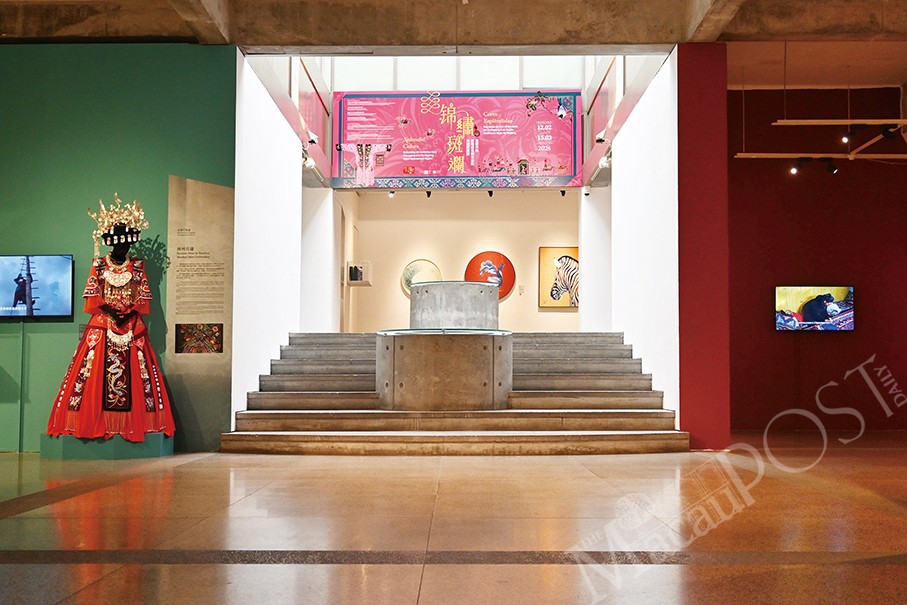
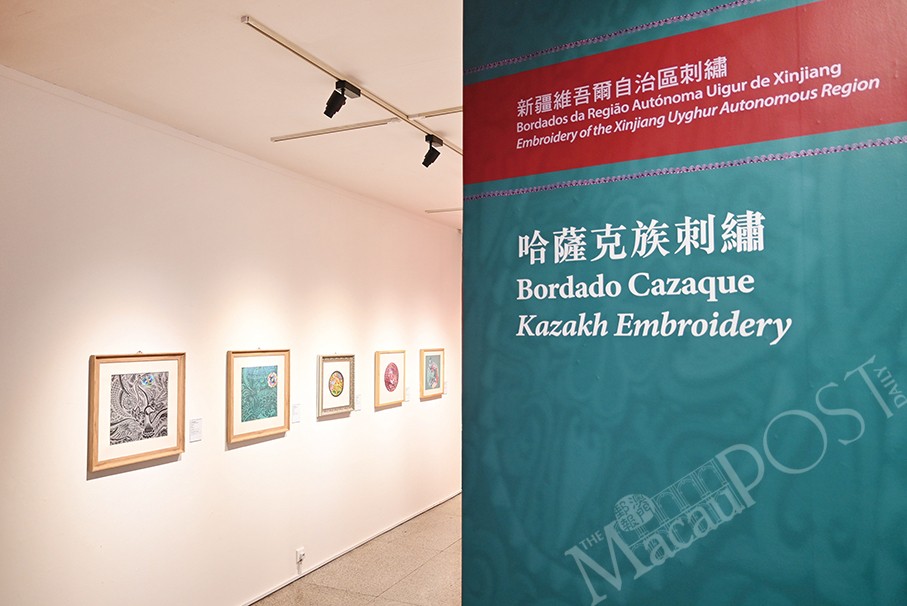
A large-scale exhibition titled “Splendid Colours – Embroidery Art Exhibition from Chongqing and the Xinjiang Uyghur Autonomous Region” is showcasing a total of 154 sets or pieces at Tap Seac Gallery, with members of the public able to admire traditional embroidery, one of the nation’s most representative traditional arts, until March 15.
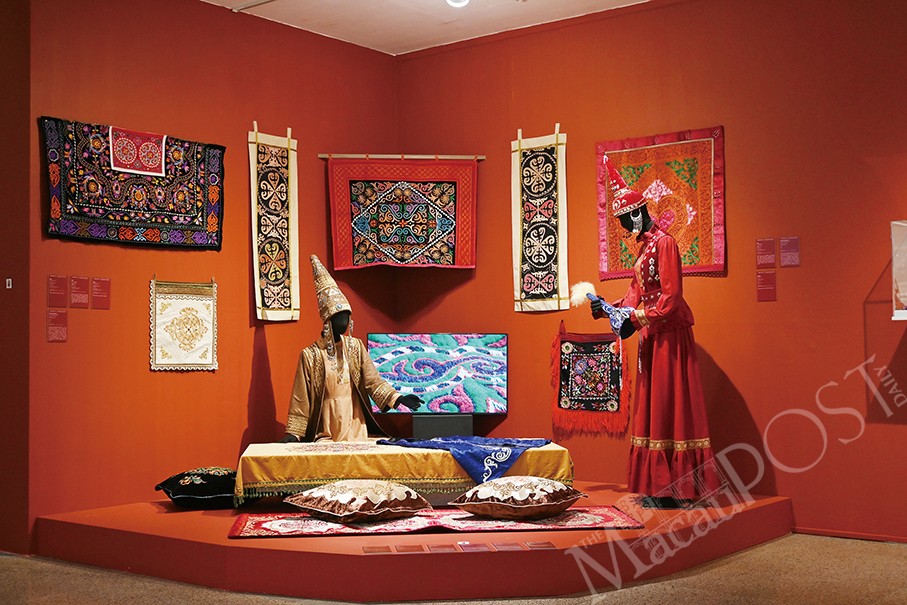
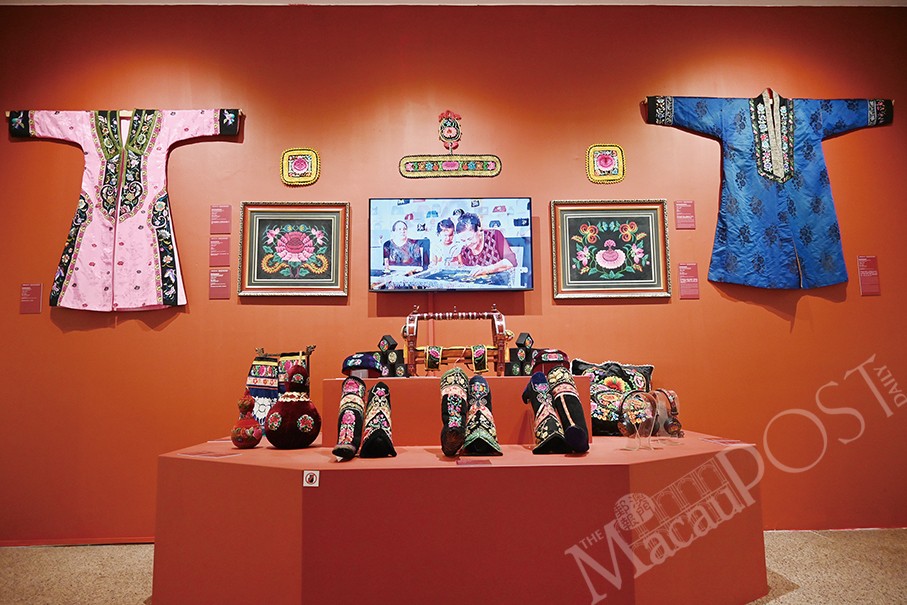
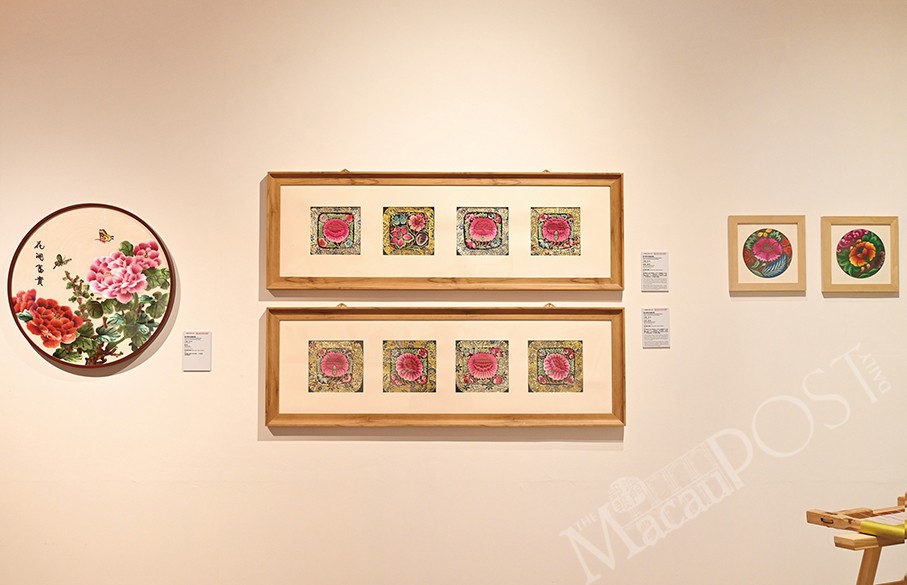
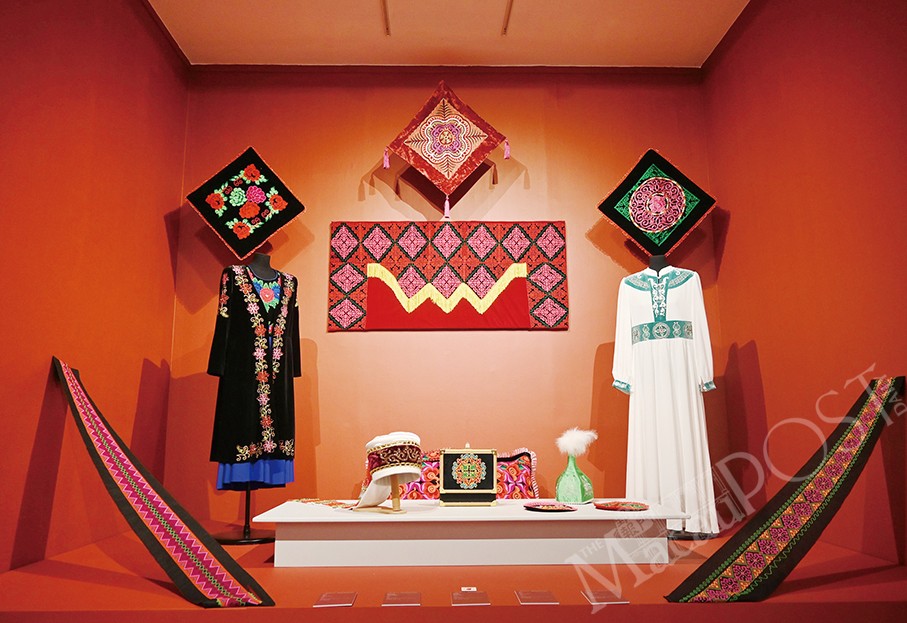
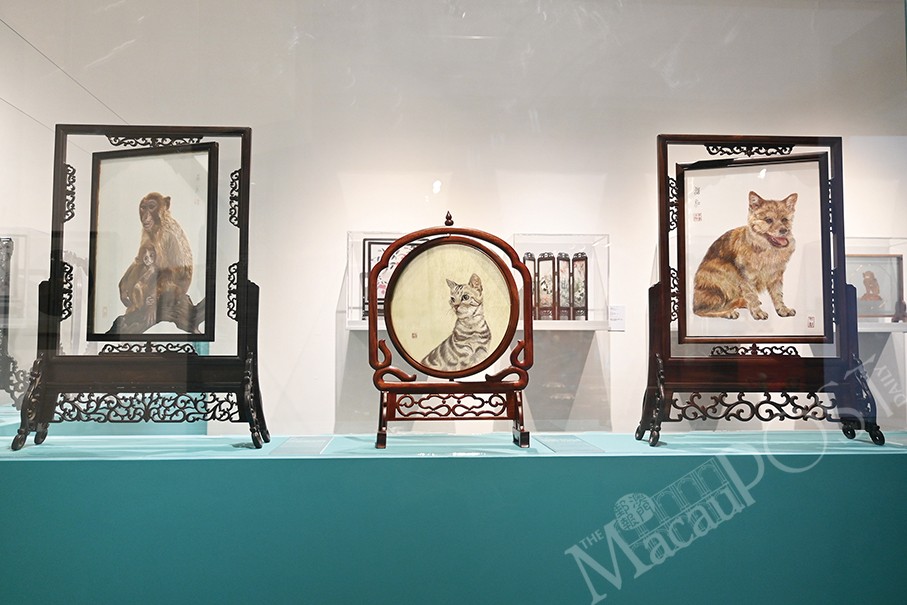
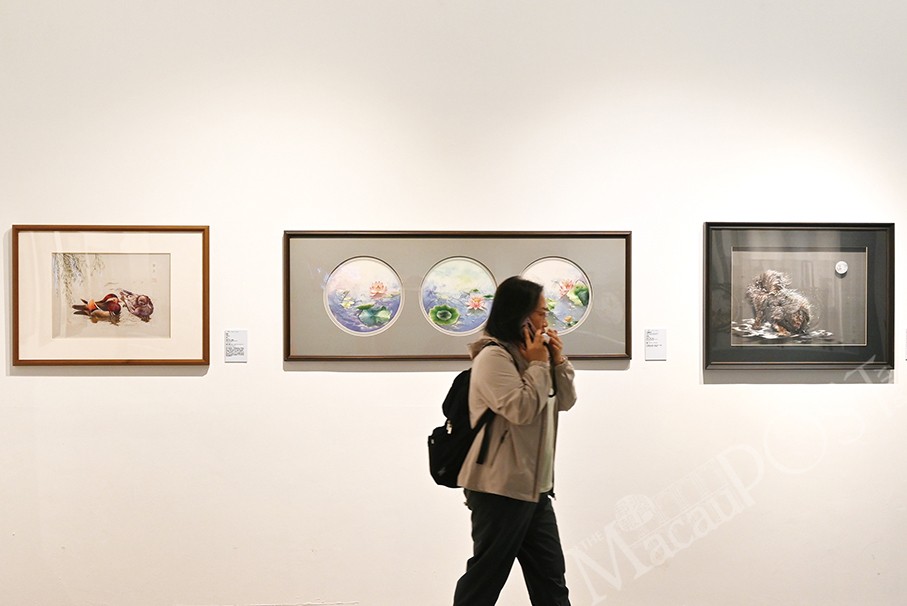
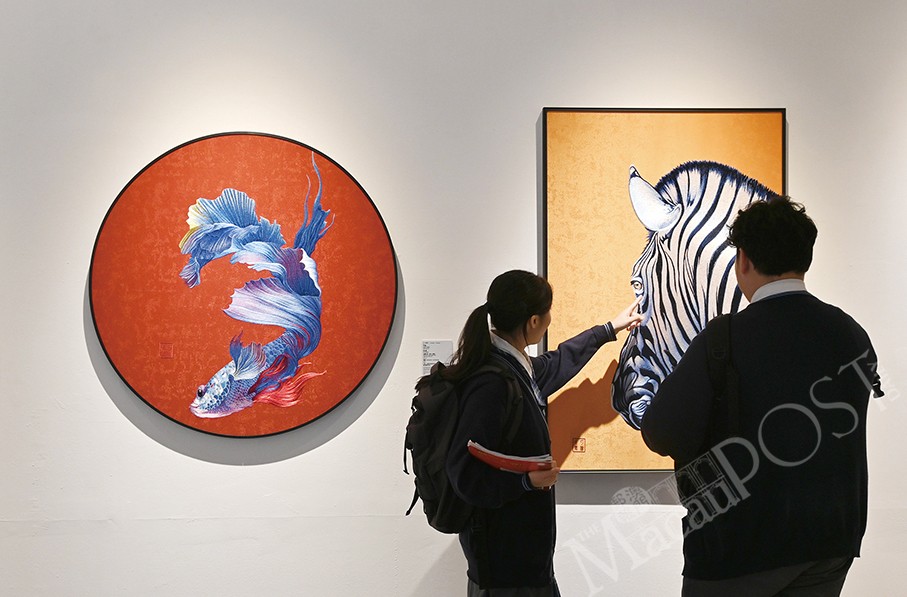
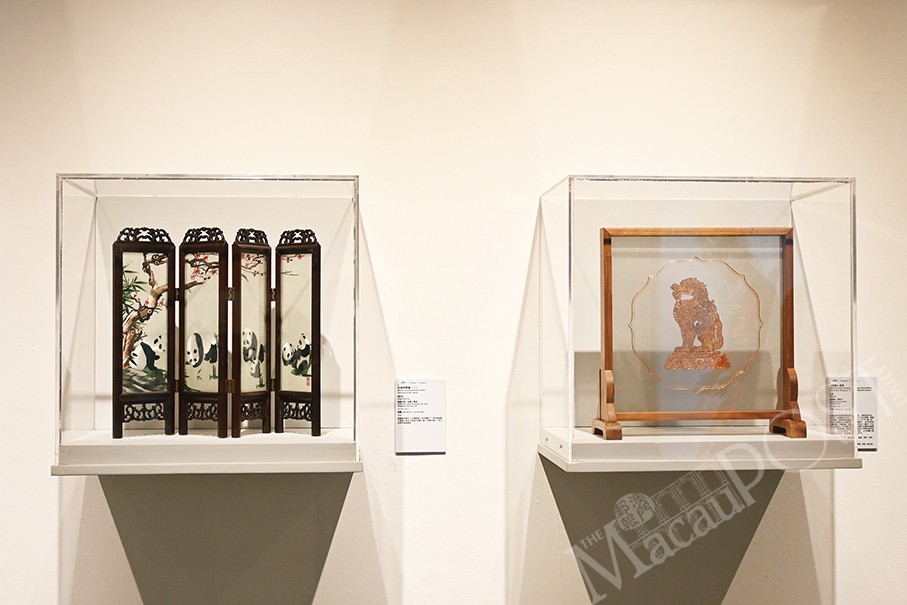
Entering the free-admission venue, visitors will find a display of intricate and colourful pieces as well as a glimpse into the craftsmanship that went behind their creation. From traditional garments and accessories to other creative pieces including those that almost look like paintings, visitors will find a variety of displays to admire as well as get an introduction to the various techniques used in their creation. Accompanying these exhibits are also videos and written text to supplement the experience.
The exhibits on display are made up of four types of embroidery: Shu embroidery from Chongqing Municipality, wedding embroidery from Wuxi, Miao embroidery from Youzhou, and “Xilankapu” (traditional brocade woven by the Tujia people), as well as three embroidery techniques by the Uyghur, Kirgiz and Kazakh peoples from the Xinjiang Uyghur Autonomous Region, according to a recent statement by the Cultural Affairs Bureau (IC).
Exhibitiongoers will be able to see the results from the skills and craftsmanship of each work, with the statement adding that the embroidery techniques employed have been “inscribed as national or municipal representative intangible cultural heritage”, as well as that the exhibits have been created by intangible cultural heritage inheritors and masters of arts and crafts.
Moreover, aside from presenting the pieces, the exhibition also aims to become a point of exchange and preservation. This was highlighted in a recent message by IC President Deland Leong Wai Man displayed at the gallery, where she was quoted as saying: “This exhibition serves as a bridge for cultural exchange, bringing Chongqing, Xinjiang, and Macau together in a shared endeavour to preserve and promote China’s rich cultural traditions, while deepening mutual understanding and strengthening cultural ties among the three regions”.
She added: “These exhibited works are all creations into which the artistes have poured their dedication and craftsmanship. They embody everyday life and distinctive cultural imprints of their places of origin, while also serving as cultural bonds that connect Macau with Chongqing and Xinjiang”.
One may view these items at the gallery, which is located in Praça do Tap Siac (塔石廣場) from 10 a.m. to 7 p.m. daily, with guided tours in Cantonese available at 3 p.m. on weekends. Tours in Putonghua were also offered during the Chinese New Year (CNY) holiday.
More information can be found on
– Photos taken yesterday by Rui Pastorin