

Macau’s history and social transformation are being highlighted through approximately 100 exhibits at Macao Museum near the Ruins of St. Paul’s, offering curious minds from the city and elsewhere an opportunity for a closer look.
Titled “Macao’s 1st Group of Classified Movable Properties Thematic Exhibition”, the ongoing event kicked off on Friday and can be found on the museum’s third floor.
The collection of around 100 exhibits were chosen from the first group of 400 items/sets of movable properties of significant cultural value, which covers 24 categories, among which are archaeological objects, ritual implements, religious objects, porcelains, ceramics, enamel ware, painting and handmade fans.
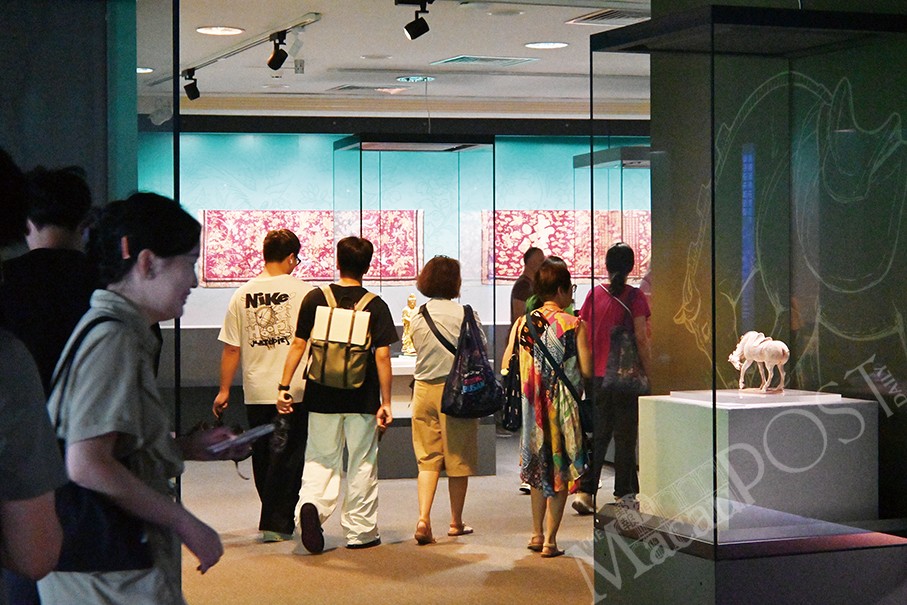
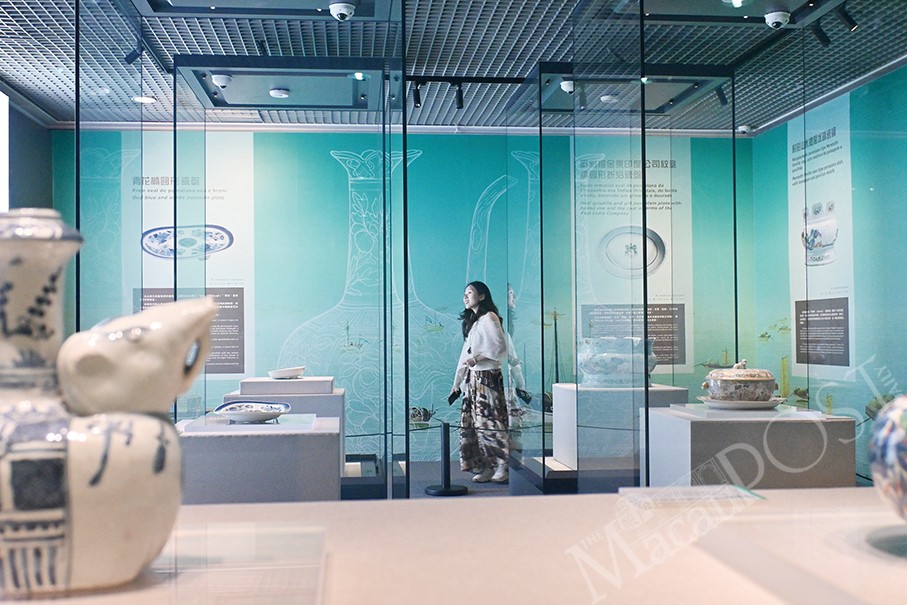
While exhibitiongoers will get to see a physical display of the chosen items, there are others also presented through other formats including multimedia. These are all divided into sections and the first area to greet visitors upon entering is one dedicated to ceramics and porcelain.
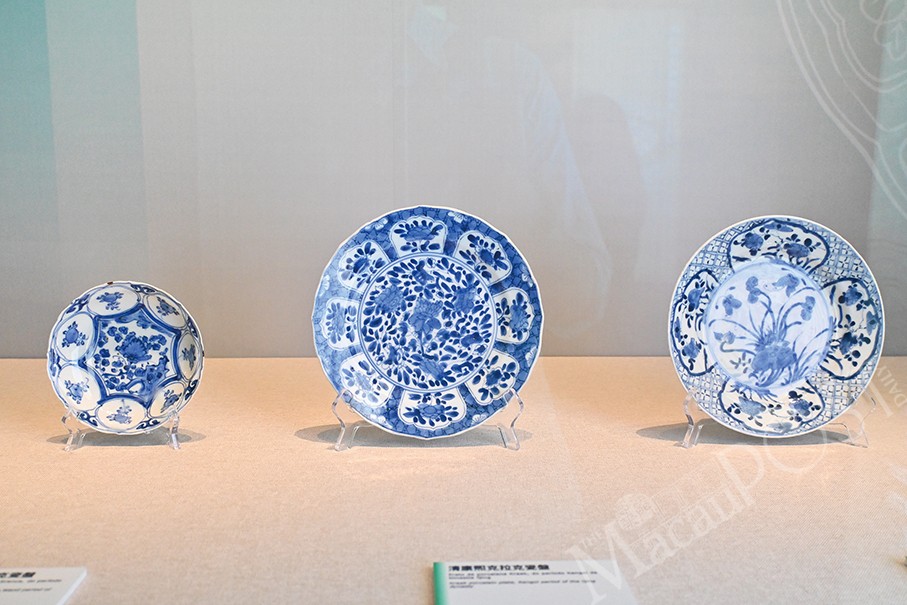
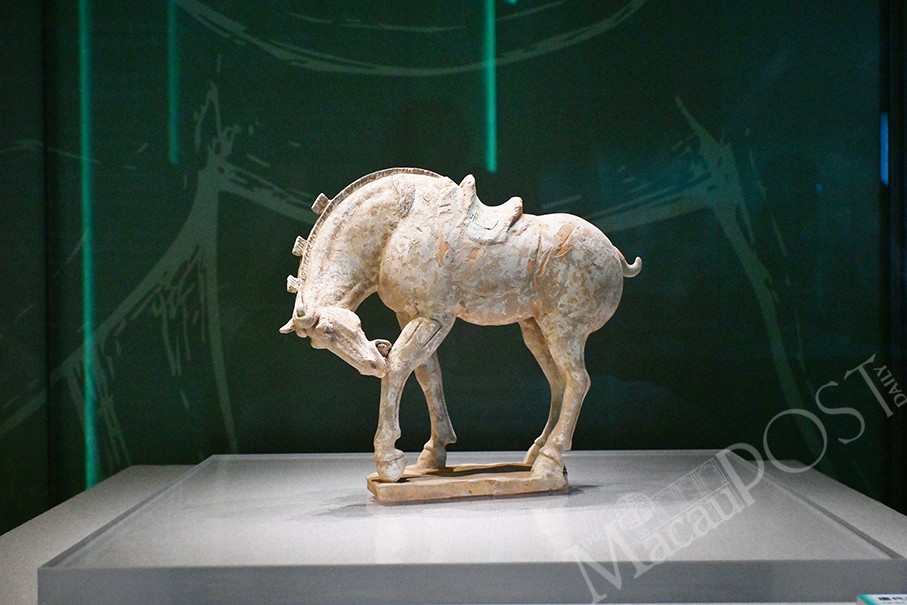
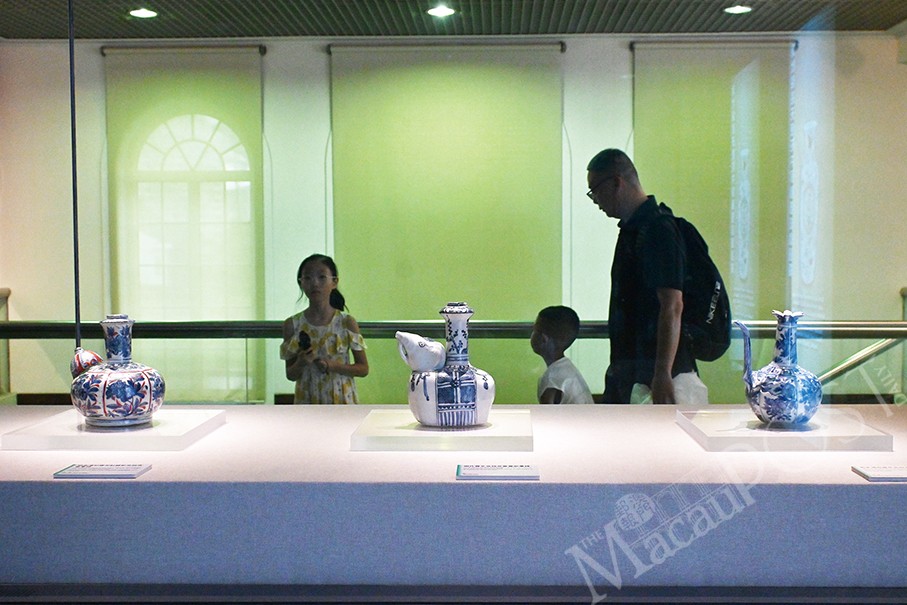
This opening area features a rare collection of Kraak*, Guangcai and famille rose porcelain from the Ming and Qing dynasties, alongside painted pottery horses from the Tang Dynasty and Qing Dynasty blue-and-white ceramics.
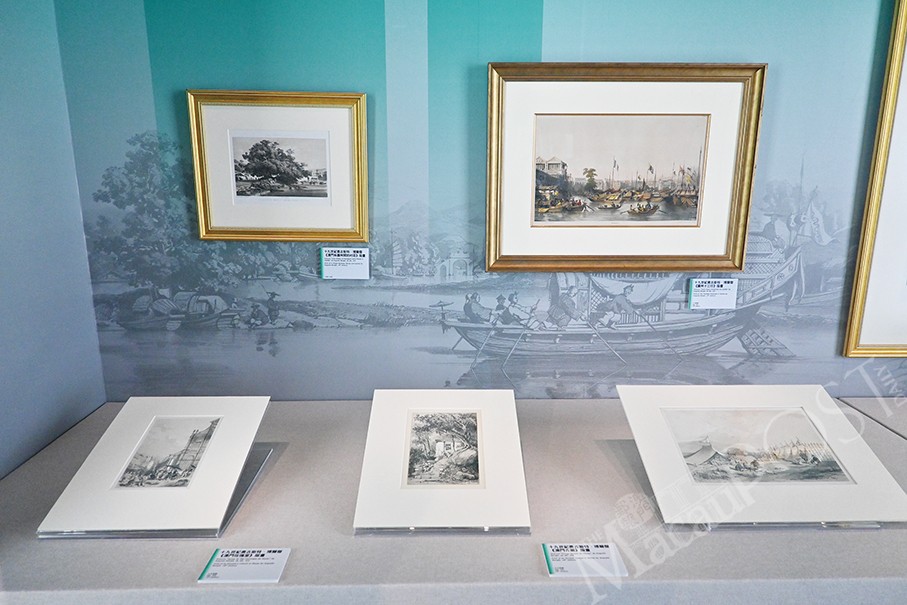
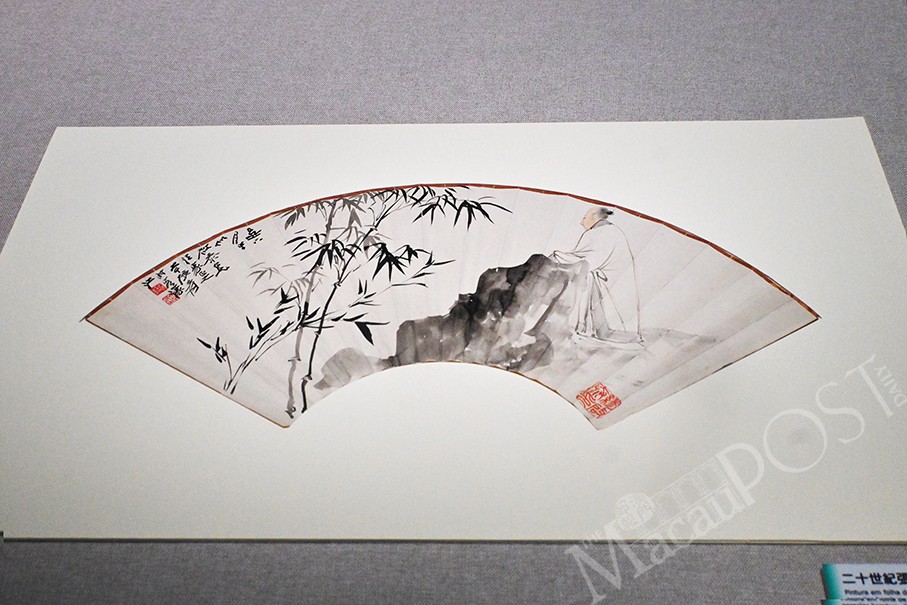
Moving ahead, some museumgoers will find themselves taking a closer look at the finer details found in various paintings, along with other important pieces including engravings, calligraphy and valuable manuscripts.
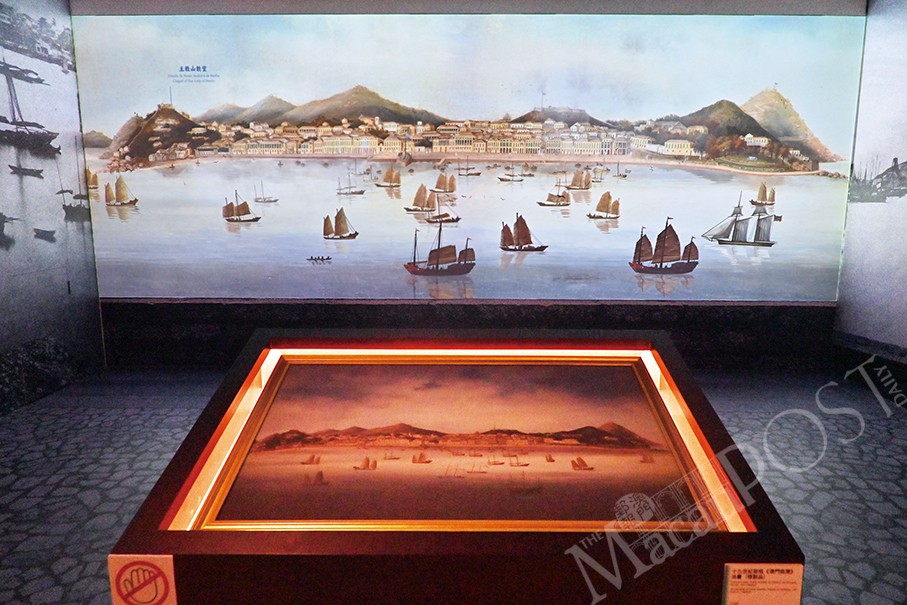
Among the highlights are Macau’s scenery as painted by English painter George Chinnery (1774-1852) and Thomas Watson (1815-1860), who was a Scottish physician that was a good friend and apprentice of Chinnery, as well as Chinese paintings by Zhang Daqian (1899-1983).
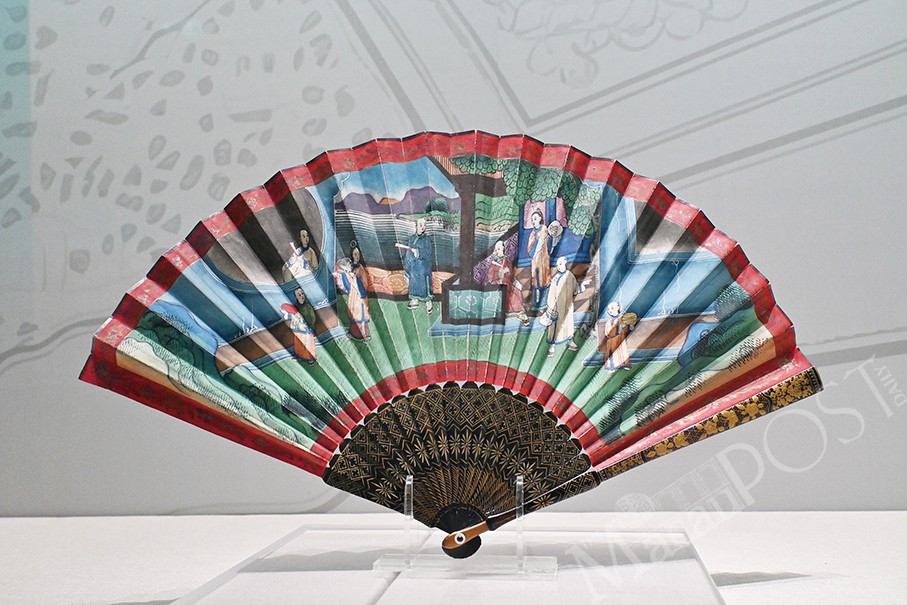
The final area puts a spotlight on textiles, furniture, handmade fans, and ritual objects, with exhibits including, as listed at the museum, a 19th century birthday wall tapestry from a prominent Macanese family and furniture with a Chinese and Western mix.
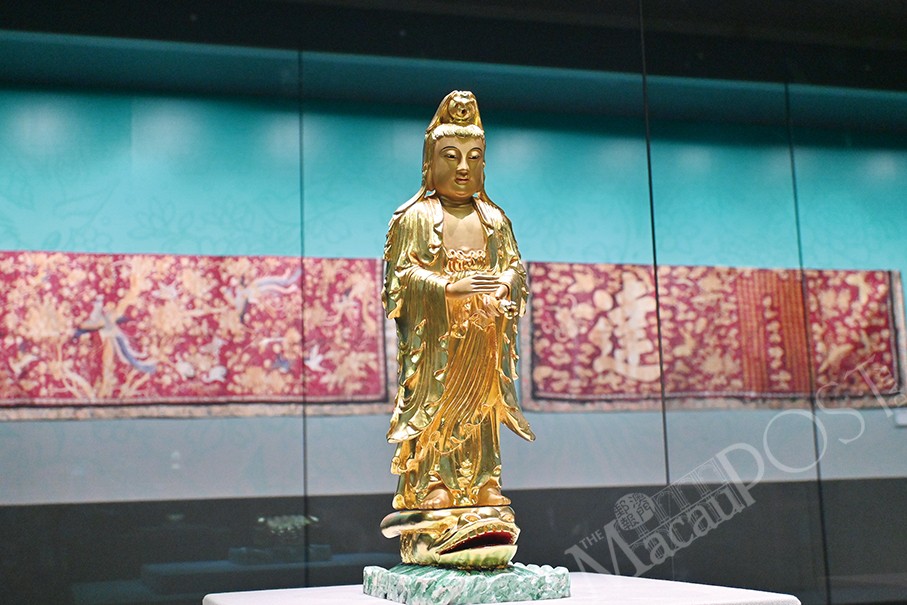
As observed by the Post during a visit to the venue yesterday, several exhibits piqued the interests of passers-by and museumgoers both young and old. These included paintings and drawings showing Macau’s scenery, which had some observing and guessing where the area depicted might be, along with the ceramics found right at the beginning of the exhibition, with some attempting to guess their origins aloud before reading the descriptions. The final section also had some exhibitiongoers admiring the intricacies found on the displays, particularly the wooden carving of Guanyin** (or Kun Iam in Cantonese), the stone statue of St. John the Baptist, and the handmade fans.
With this, the museum pointed out in a statement at the venue that among its aims are to bring both the artefacts and the public together, gain “a profound appreciation of the far-reaching significance of movable property protection”, as well as to encourage the reading and understanding of history.
“What we safeguard is not merely the objects themselves but Macau’s unique cultural roots and plural identity, which together provide an inexhaustible source” for academic research, cultural education and the transmission of the city’s heritage, the statement said.
The museum is open from Tuesday to Sunday from 10:00 a.m. to 6:00 p.m., with admission being free for Macau ID card holders. Meanwhile, all members of the public get in for free on the 15th of each month. Virtual tours of the exhibition are also set to be launched by the museum.
* Kraak porcelain is a historic type of Chinese blue-and-white export porcelain produced during the late Ming Dynasty, specifically from around 1573 to 1644. - Gemini
**Guanyin is the Buddhist bodhisattva associated with compassion, mercy, and kindness. In East Asian culture, she is one of the most widely beloved and revered deities, often referred to as the “Goddess of Mercy.” – Gemini

Photos taken yesterday by Rui Pastorin