

The “Porcelain Echoes: The Fusion of East and West” exhibition by local visual artist Wan In Fan explores Macau’s role as a meeting point between Eastern and Western cultures through porcelain fragments and contemporary painting techniques.
Held at the Ho’s Clan Association Exhibition Hall (何族崇義堂盛荷堂展廳) on Rua de S. Paulo, the exhibition draws inspiration from porcelain unearthed from the UNESCO World Heritage-listed Ruins of St. Paul’s site, resulting from Macau’s centuries-long history as an East-West entrepôt along the Maritime Silk Road, according to an information board at the entrance.
The exhibition is part of the Macau Artist Society’s (MAS) “Inheritance of Art” series.
According to the introductory text, the exhibition examines how ceramics travelled between regions and became carriers of cultural exchange. Decorative elements from Chinese, Islamic, and Western traditions are brought together, reflecting the interaction of different artistic styles, beliefs, and aesthetic traditions in Macau.
Wan uses broken porcelain as a central visual medium, combining the fragments with raw timber, silver-ink paper, shell pieces, mineral pigments, and metal foil, the text notes. Traditional aesthetic elements are arranged within contemporary compositions, while checkerboard patterns depict mountains and waterways, connecting themes of history, geography, trade, and cultural memory.
The works also draw attention to the evolution of ceramics from practical objects and trade goods into cultural symbols, the text adds, noting that the exhibition references the development of export porcelain – including Kraak porcelain* and European armorial/family crest porcelain – highlighting how designs were repeatedly adapted as they travelled along maritime trade routes.
Wan graduated from the Macao Polytechnic Institute (renamed Macao Polytechnic University) in 2009 with a bachelor’s degree in Visual Arts (Education), majoring in Chinese painting, according to a statement by MAS. In 2024, she participated in the China National Arts Fund’s training programme on cultivating creative talents in Chinese traditional fine arts for Macau art teachers, the statement noted.
A visual arts educator in Macau, Wan primarily works in gongbi** painting. Her works have been selected for the Macao Art Exhibition, the Collective Exhibition of Macao Artists, and the 11th National Fine Arts Exhibition (Hong Kong, Macau, and Taiwan Invitation Exhibition), the statement added.
“Porcelain Echoes: The Fusion of East and West” is open daily from 10:00 a.m. to 6:00 p.m. (closed Mondays) at the Ho’s Clan Association Exhibition Hall on Rua de S. Paulo near the St Paul’s Ruins. The exhibition runs until September 4, inviting visitors to explore Macau’s maritime history and the cultural connections preserved in porcelain fragments.
*”Kraak porcelain” is a specific category of Chinese blue-and-white export porcelain made primarily during the late Ming Dynasty (around 1573–1640). The name most likely comes from the Portuguese trading ships called carracks, which transported this kind of porcelain to Europe. The Dutch word for these ships was kraken. The term was used as early as 1638 in Dutch East India Company documents. The Kraak style is easily recognised by its decorative design, which is divided into distinct, radiating panels around a central scene. – DeepSeek
**Gongbi is a precise, highly detailed realist style of traditional Chinese painting using fine brushlines and delicate layers of colour. – Gemini
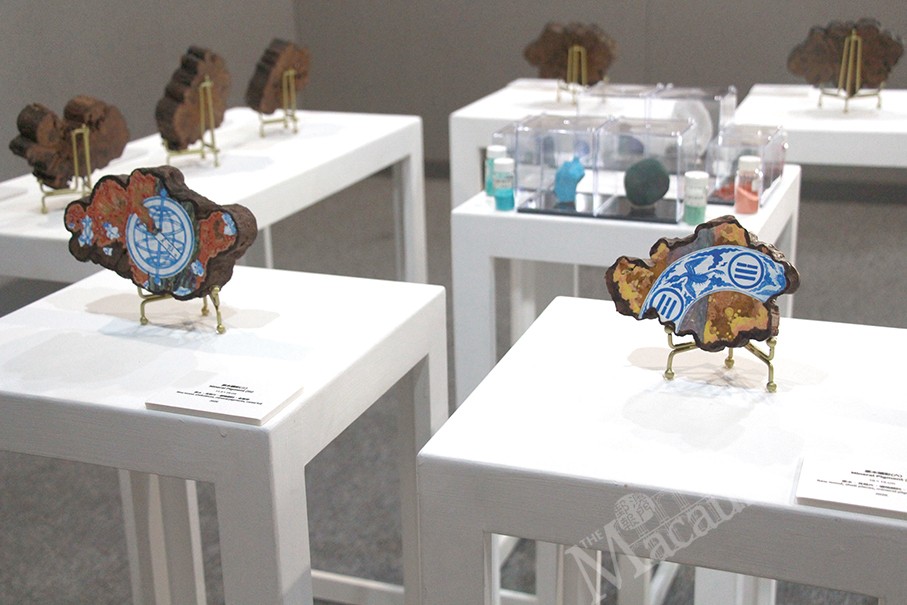
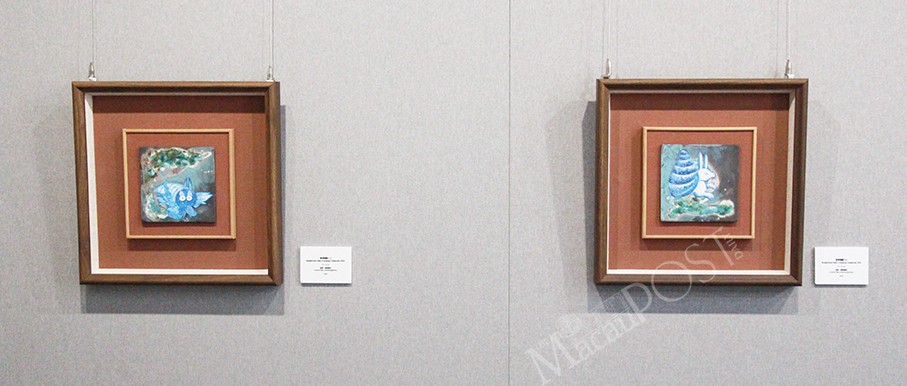
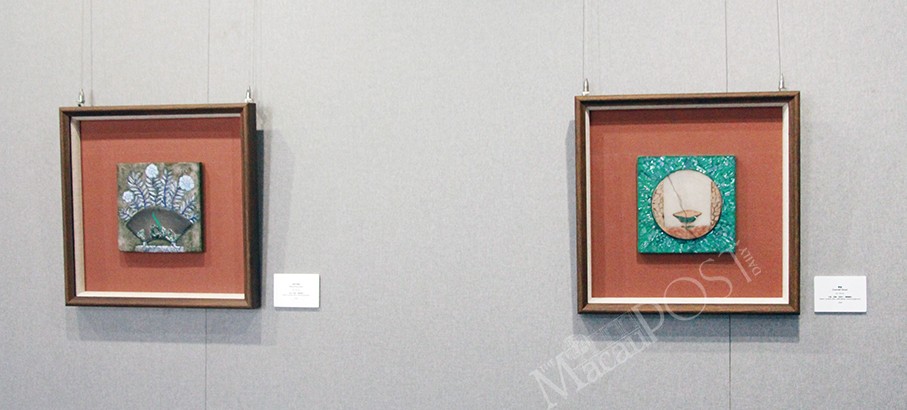
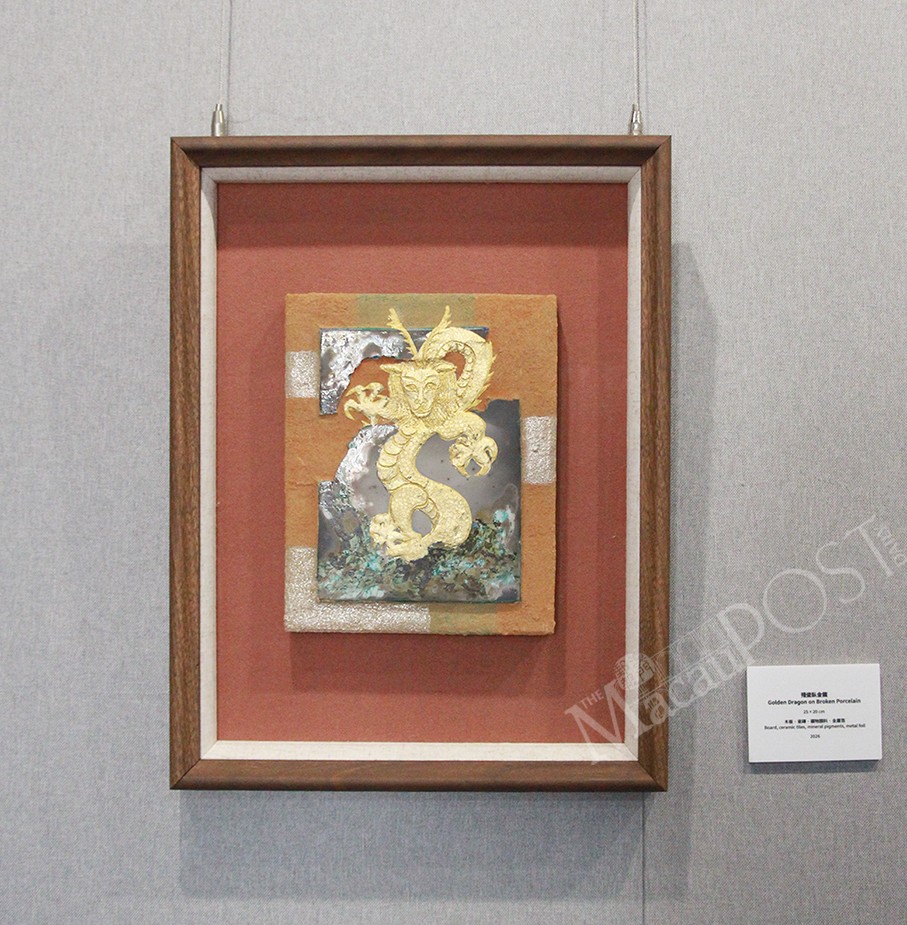
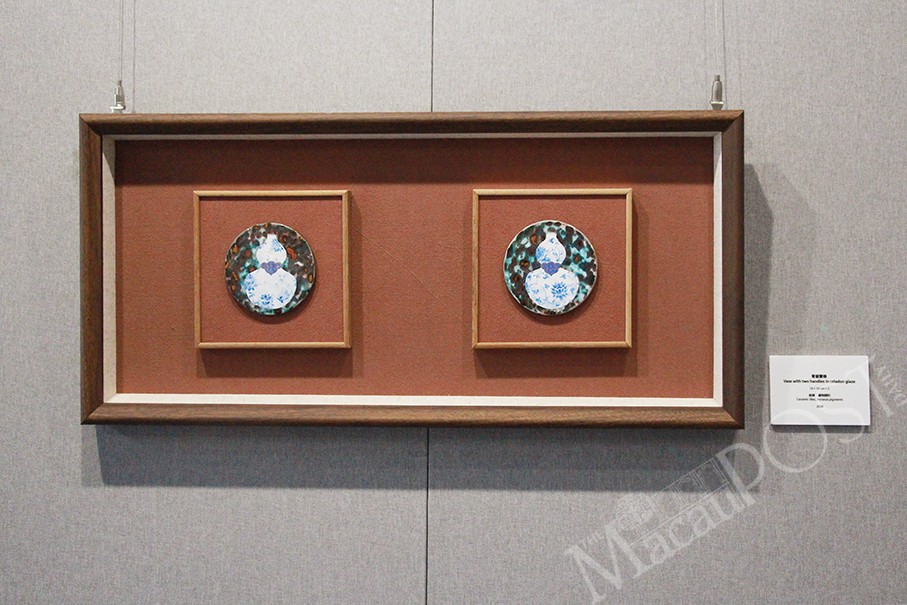
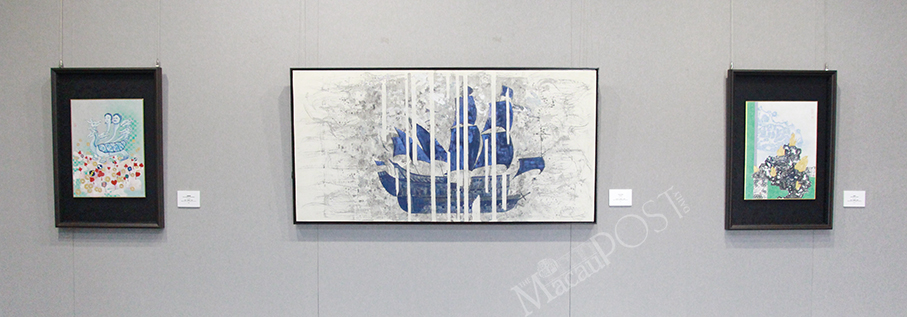
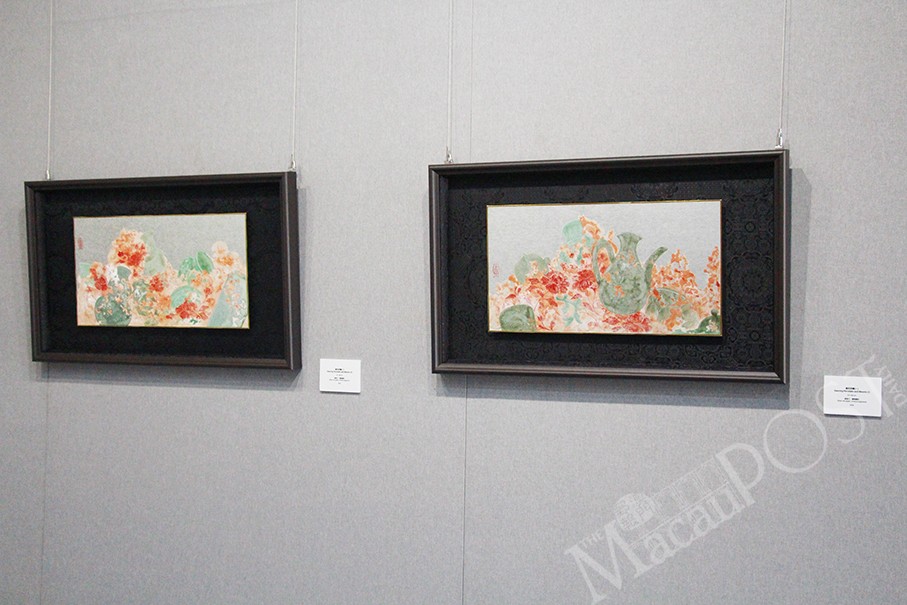
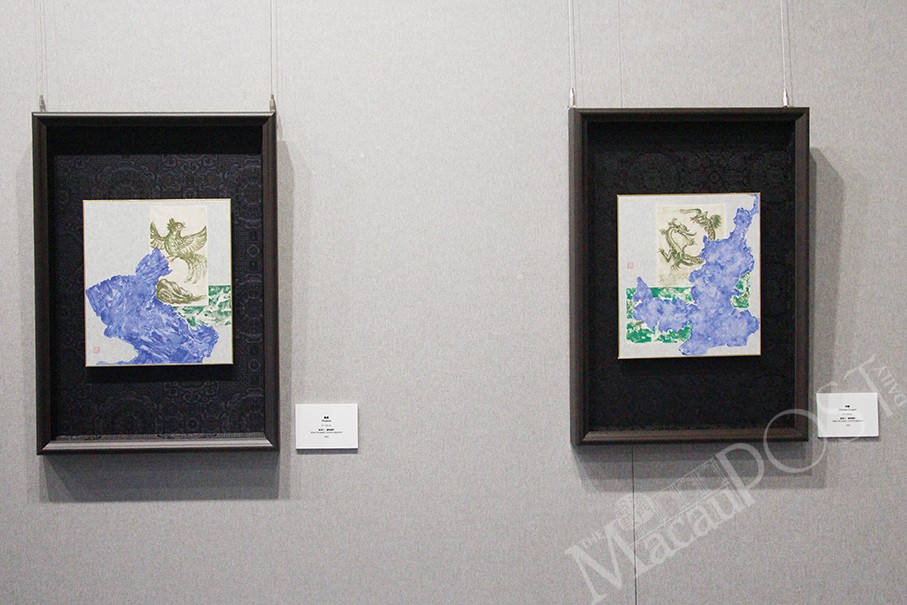
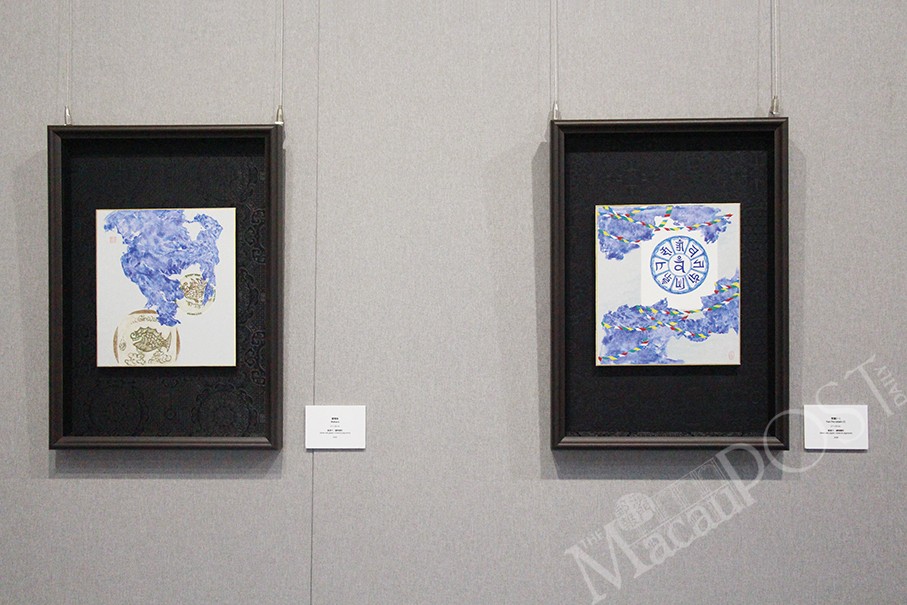
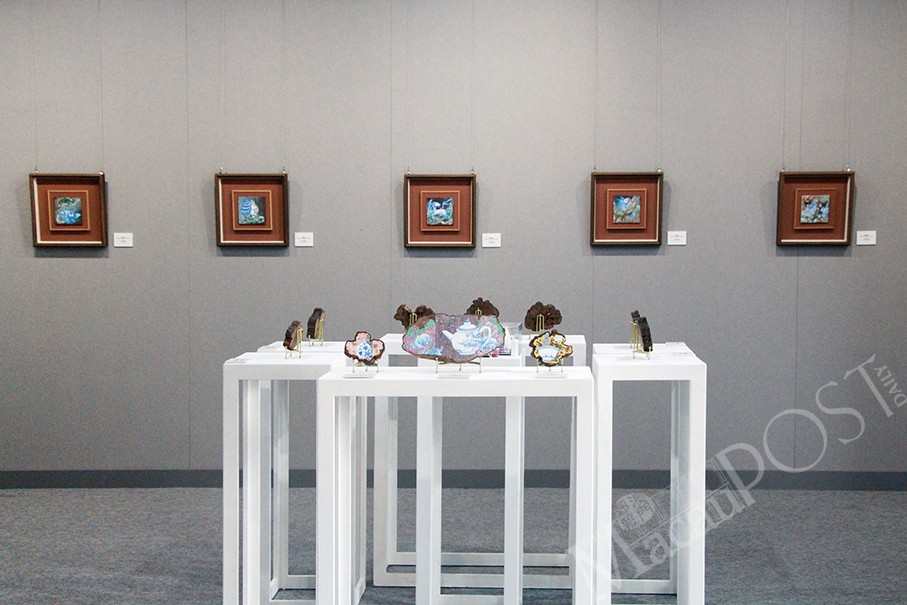
Photos taken by Khalel Vallo yesterday at the Ho’s Clan Association Exhibition Hall