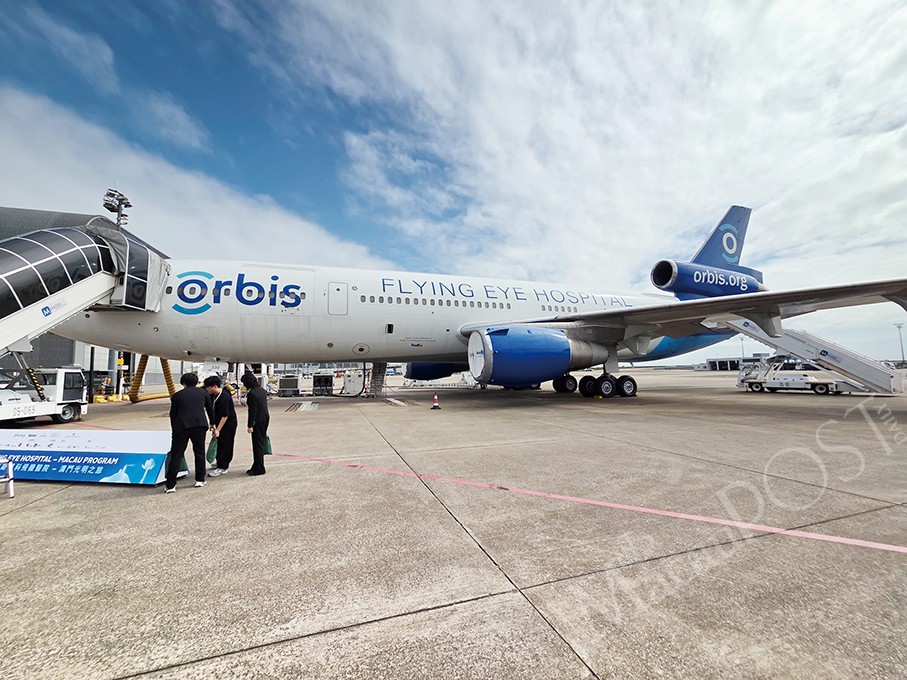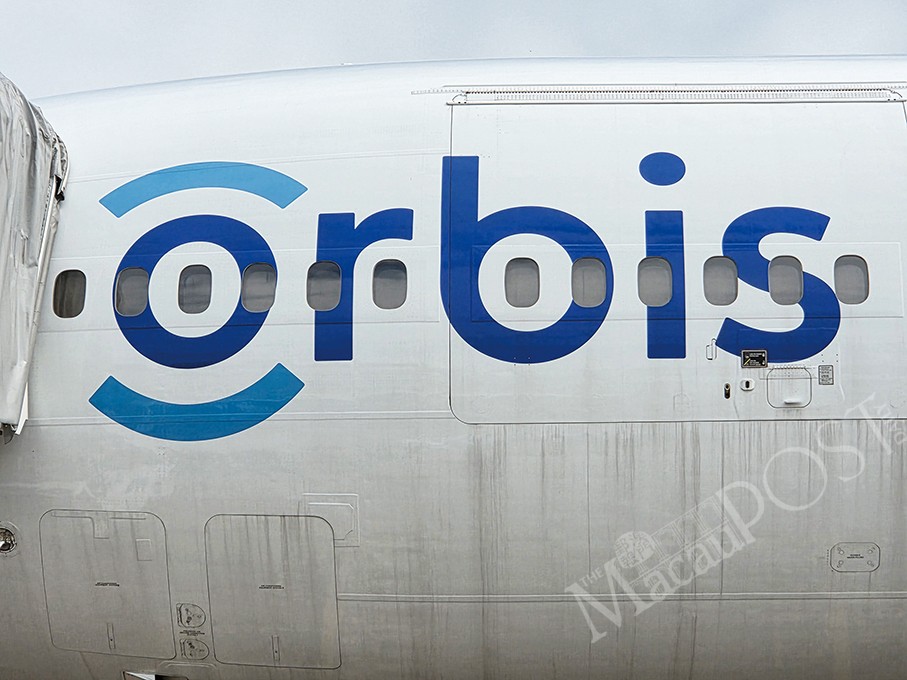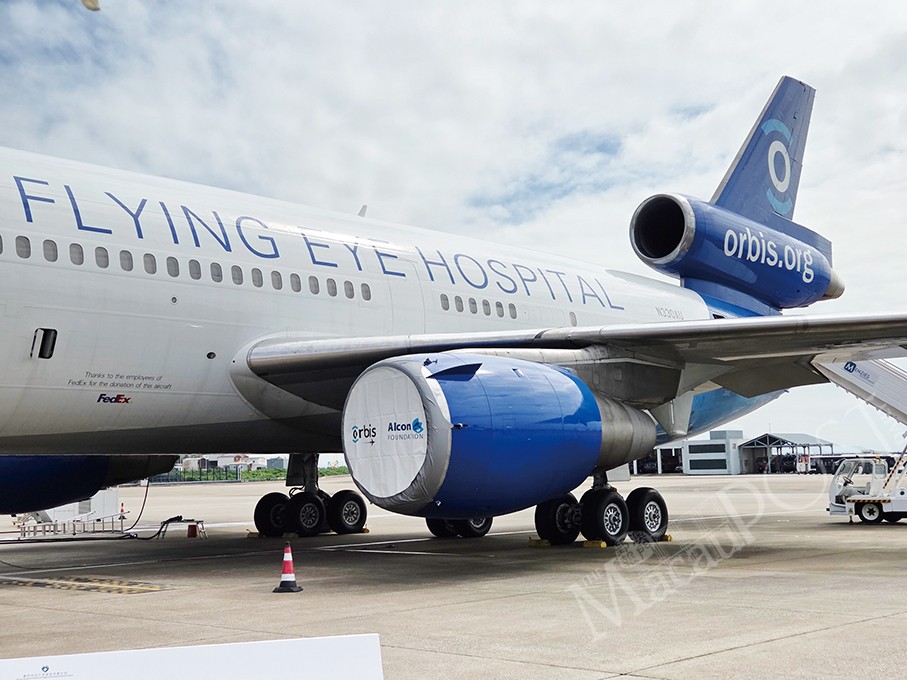


The globally renowned Orbis Flying Eye Hospital arrived in Macau last Monday for its first-ever simulation-based training project hosted in the city, with a launch event held on Friday at the local airport.
The occasion marked the flying hospital’s first visit to Macau since 2016, with the plane being in Macau until September 23.
The training project, which takes place over two weeks, has 70 ophthalmologists and nurses from eight Orbis partner hospitals representing 11 cities across China receiving advanced simulation training and mentorship both onboard the plane and the Kiang Wu Nursing College of Macau. These participants will eventually go on to serve over 245,000 patients in China annually.
According to information provided during the media tour held prior to the ceremony, training will focus on simulated cataract, glaucoma, strabismus*, medical retina, and nursing specialties.
Medical retina is a subspecialty within ophthalmology that focuses on the diagnosis, medical (non-surgical) management, and treatment of diseases affecting the retina, macula, and vitreous, with a particular emphasis on conditions that are primarily managed through pharmacotherapy, laser, or observation rather than traditional surgical intervention, according to DeepSeek.
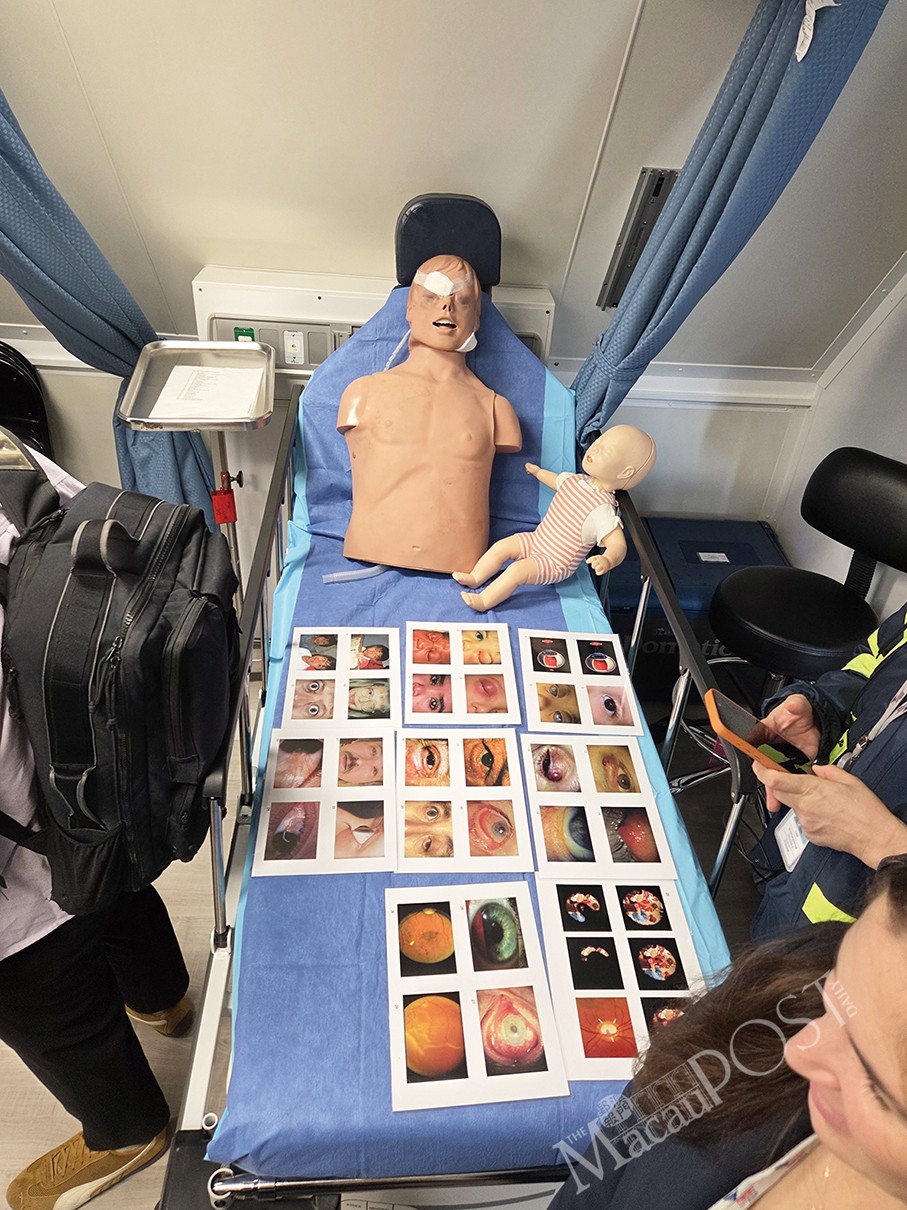
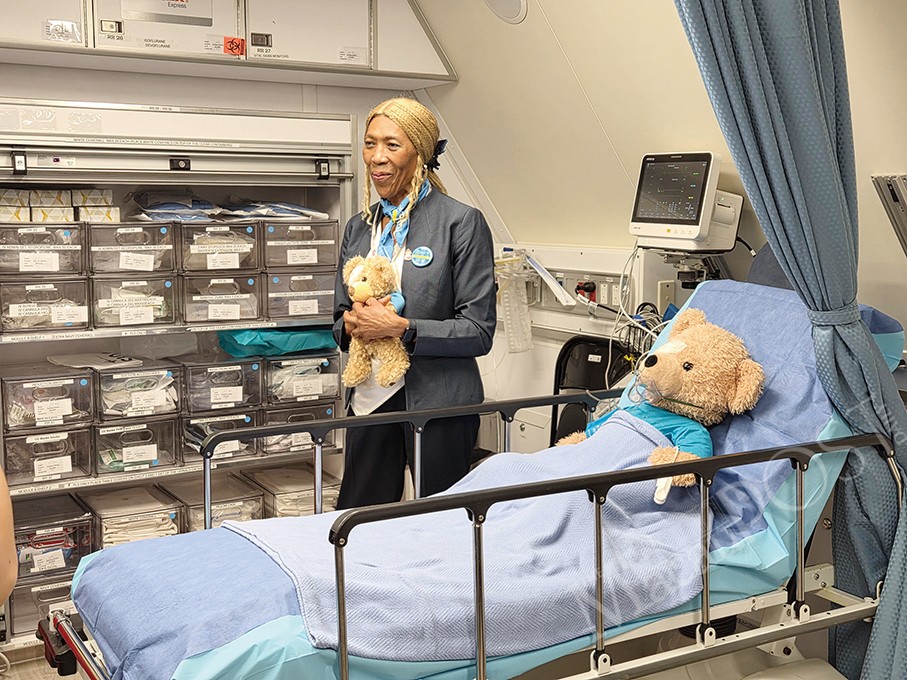
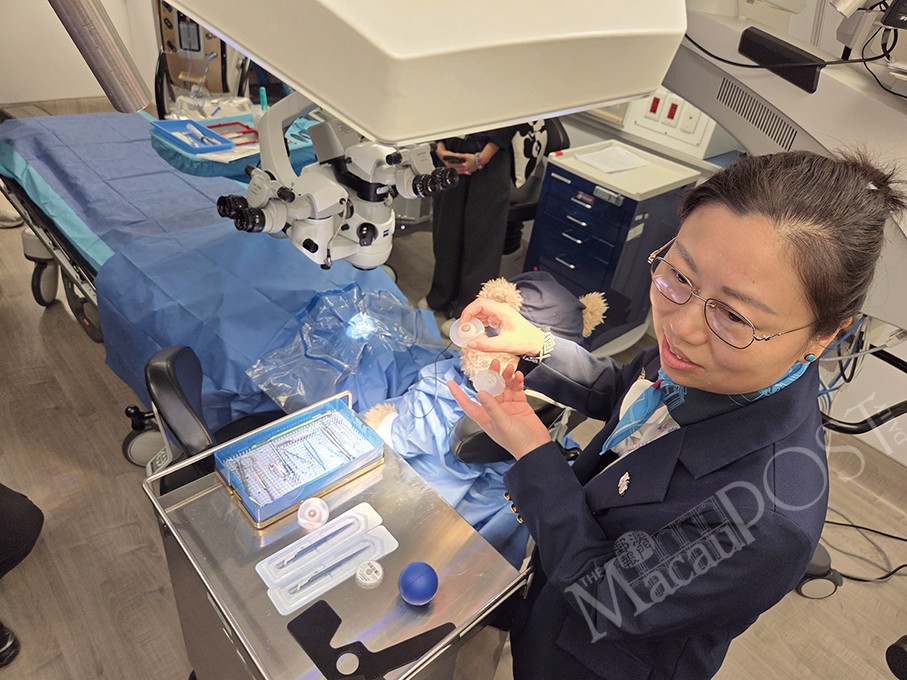
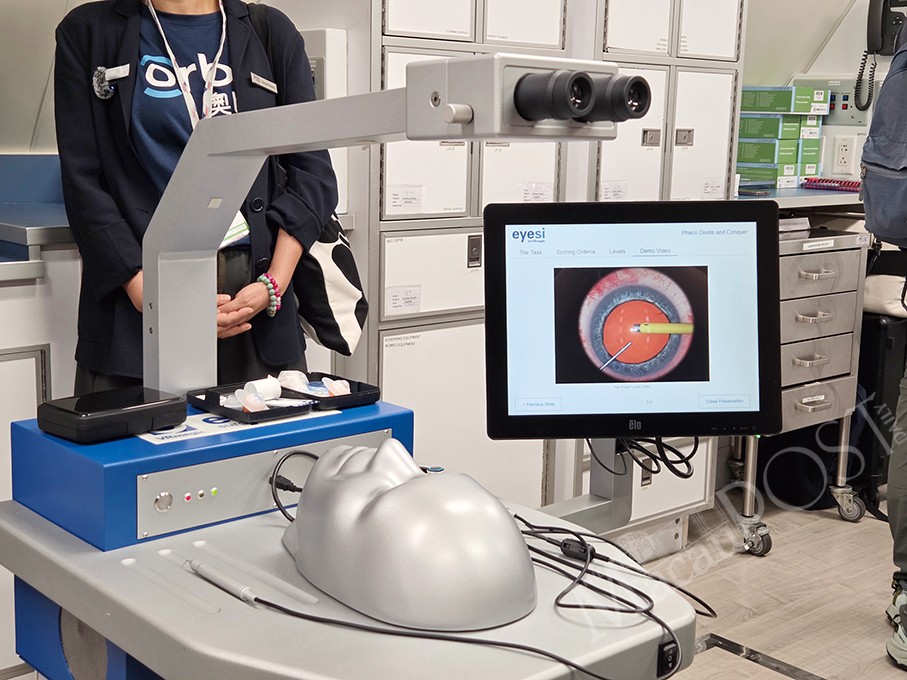
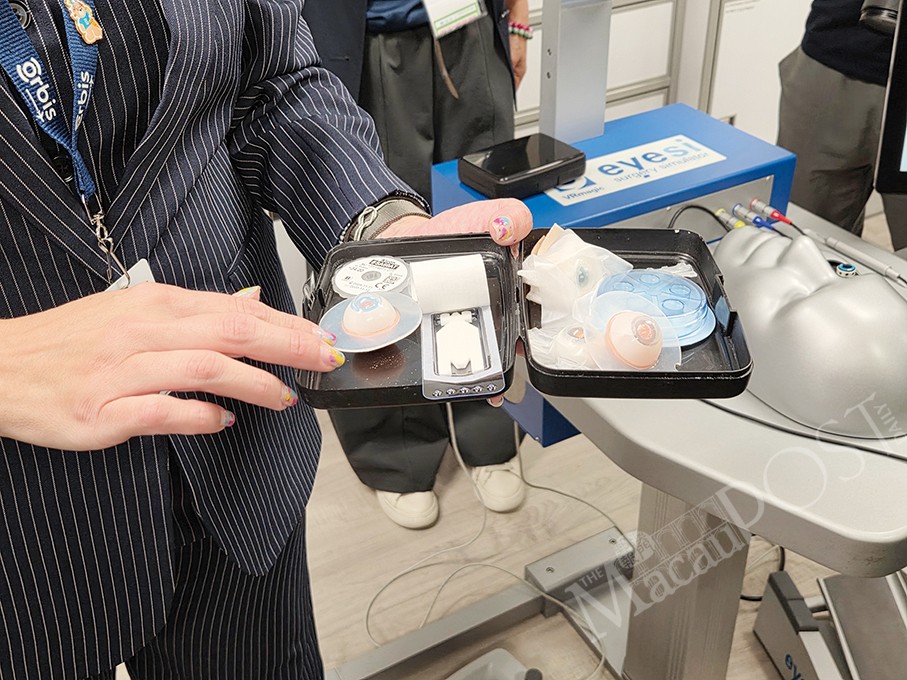
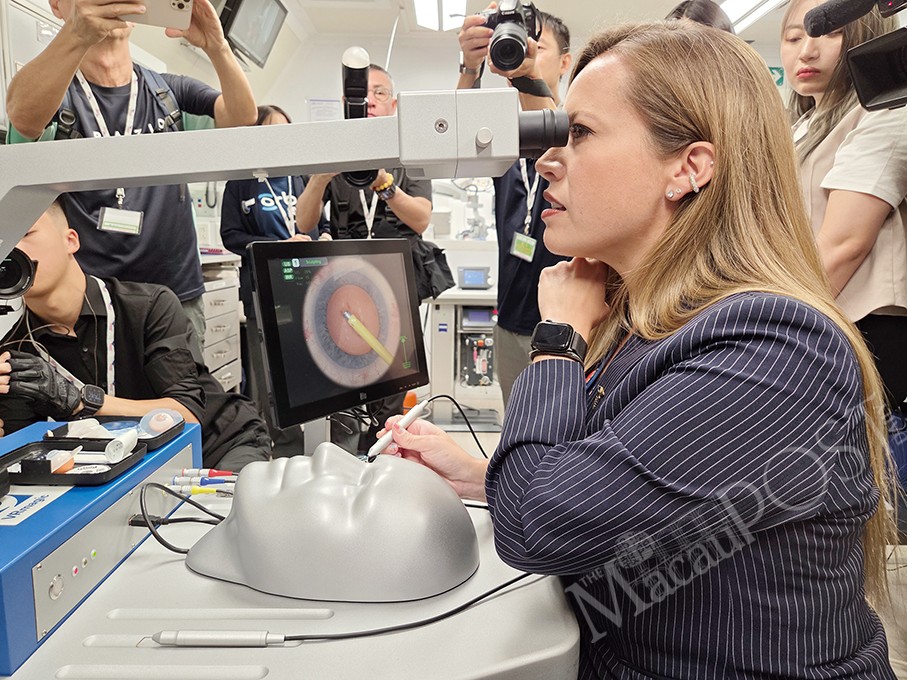
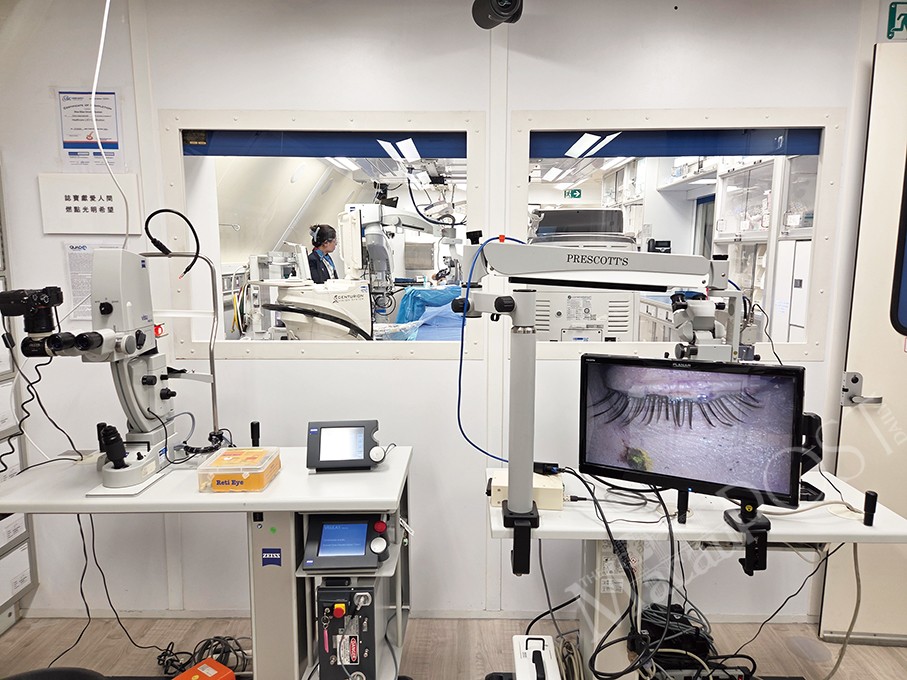
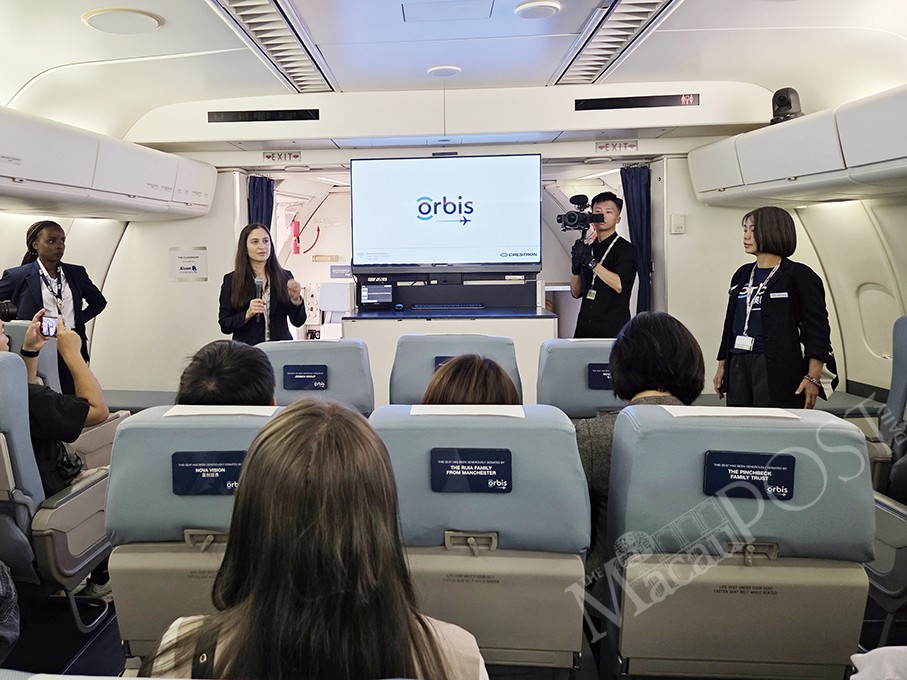
Meanwhile, prior to the launch event, the Flying Eye Hospital** was introduced during the media tour. Equipped with state-of-the-art technology, facilities onboard include an operating room, laser treatment and patient care room, pre- and post-operative care units, and an observation room. It also features advanced simulation tools such as artificial eyes and other training equipment.
Reflecting on the Flying Eye Hospital’s 40-year history during a media group interview, President and CEO of Orbis International Kathleen Sherwin emphasised to the Post the shift towards training the next generation of clinicians and eye care professionals “so that they can go on and train others.”
Sherwin highlighted that the aircraft carries specialised “train-the-trainer” equipment. But it doesn’t end there as the they will continue to innovate, she said, just as it has been since the beginning.
Sherwin also emphasised to reporters that the training provided is “not just for the eye surgeons – it’s for everyone who’s in that operating room. So we’ll also be having important training on nursing over the next two weeks.”
Meanwhile, Orbis Macau Director of Development Isabel da Silva told the Post that the visit provides an opportunity to exchange ideas, while it also is a way to “thank the community for 20 years of partnership”.
She added that bringing the training to Macau draws vital attention to their sight-saving mission, emphasising that vision impairment impacts not just individuals, but entire families and communities.
“What we’re doing and the help they get will really change lives,” da Silva said. “That’s why we say it’s life-changing. It’s not a tagline - it’s a fact the work and the support that we get, it’s helping us to change lives”.
*Strabismus is a visual condition in which the eyes do not align properly with each other when looking at an object. Commonly referred to as crossed eyes or a squint, it occurs when the extraocular muscles controlling eye movement fail to work in coordination, preventing both eyes from focusing on the same point simultaneously.
*Now in its third generation of planes, the current Orbis Flying Eye Hospital is an MD-10 donated by FedEx employees in 2016 and was a former cargo plane. -Orbis, MPD

Orbis Macau Director of Development Isabel da Silva (first from left) and Orbis International President and CEO Kathleen Sherwin (third from left) pose with officiating guests during Friday’s Orbis Flying Eye Hospital – Macau Program launch ceremony. – Photos taken during Friday’s media tour and launch event by Rui Pastorin