

MGM MACAU’s POLY MGM MUSEUM opened “Luminous Brilliance: The Artistry of Zibo Liuli” earlier this month on October 1, National Day, showcasing nearly 180 historic and contemporary glass artworks tracing 3,000 years of Chinese glassmaking and cultural exchange.
Running until March 31 next year, the exhibition is presented in conjunction with the National Museum of China and the Zibo Ceramics and Glass Museum, exploring the development of liuli*, traditional Chinese glass art, and Zibo’s reputation as the “Hometown of Chinese Glass”.
Zibo is a city in central Shandong province, bordering the provincial capital Jinan to the west, Tai’an to the southwest, Linyi to the south, Weifang to the east, Dongying to the northeast, and Binzhou to the north.
According to the exhibition’s information message board at the entrance, Zibo, an ancient capital of the State of Qi and a historic centre of the silk trade, is considered one of the birthplaces of early Chinese liuli craftsmanship. Boshan, a district of Zibo, is home to the earliest and only archaeologically verified ancient liuli kiln site discovered in the whole country, the message said.
The industry flourished during the Ming and Qing dynasties (1368-1912), when artisans from Boshan served in the Qing imperial workshops before taking court glassmaking techniques back to their native region, the message added.
Traditionally made by refining mineral-rich stones through intense heat, liuli was used for everyday utensils as well as treasured imperial objects, according to the message. Generations of craftsmen developed the art through technical innovation and increasingly refined designs, the message said, adding that the ancient text Guanzi** captures this spirit of adaptation: “Do not cling to the past, nor remain fixed in the present; transform with the times and adapt to changing customs.”
The exhibition features three thematic chapters: “Forging a Millennium Legacy”, “Eternal Iridescence” and “Exquisite Objects of Timeless Elegance”. Together, they examine the historical evolution of Chinese glassmaking, the artistic use of colour and contemporary glass craftsmanship.
The first chapter traces ancient glass artefacts from the Warring States period to the Qing Dynasty, alongside Roman and Sasanian glass objects illustrating cultural and technological exchanges along the Silk Road.
The second explores five traditional Eastern colour spectrums – yellow, red, white, blue and green – through works created using techniques including glassblowing, lost-wax casting, inside painting and carving.
The final chapter focuses on lampworking, a glass-forming technique that uses a flame reaching about 1,200 degrees Celsius to create intricate shapes. The technique is recognised as intangible cultural heritage in Shandong.
According to the message, interactive displays and digital interpretation include holographic display cases developed by Poly Culture, alongside a craft zone illustrating the glassmaking process, from raw material selection and kiln firing to carving and finishing.
The exhibition also highlights how contemporary artists continue to build on traditional techniques while exploring new creative approaches, allowing liuli craftsmanship to evolve through artistic exchange and helping preserve this cultural heritage.
Located on Level 2 of MGM MACAU in Nape, the museum opens from 11:00 a.m. to 7:00 p.m. on weekdays and from 10:00 a.m. to 7:00 p.m. at weekends with free admission.
*Liuli (琉璃, “coloured glass”) is a traditional Chinese art-glass craft associated with ancient glassmaking and lost-wax casting. – Gemini
**Guanzi is also the title of a foundational Chinese philosophical and political text. – DeepSeek
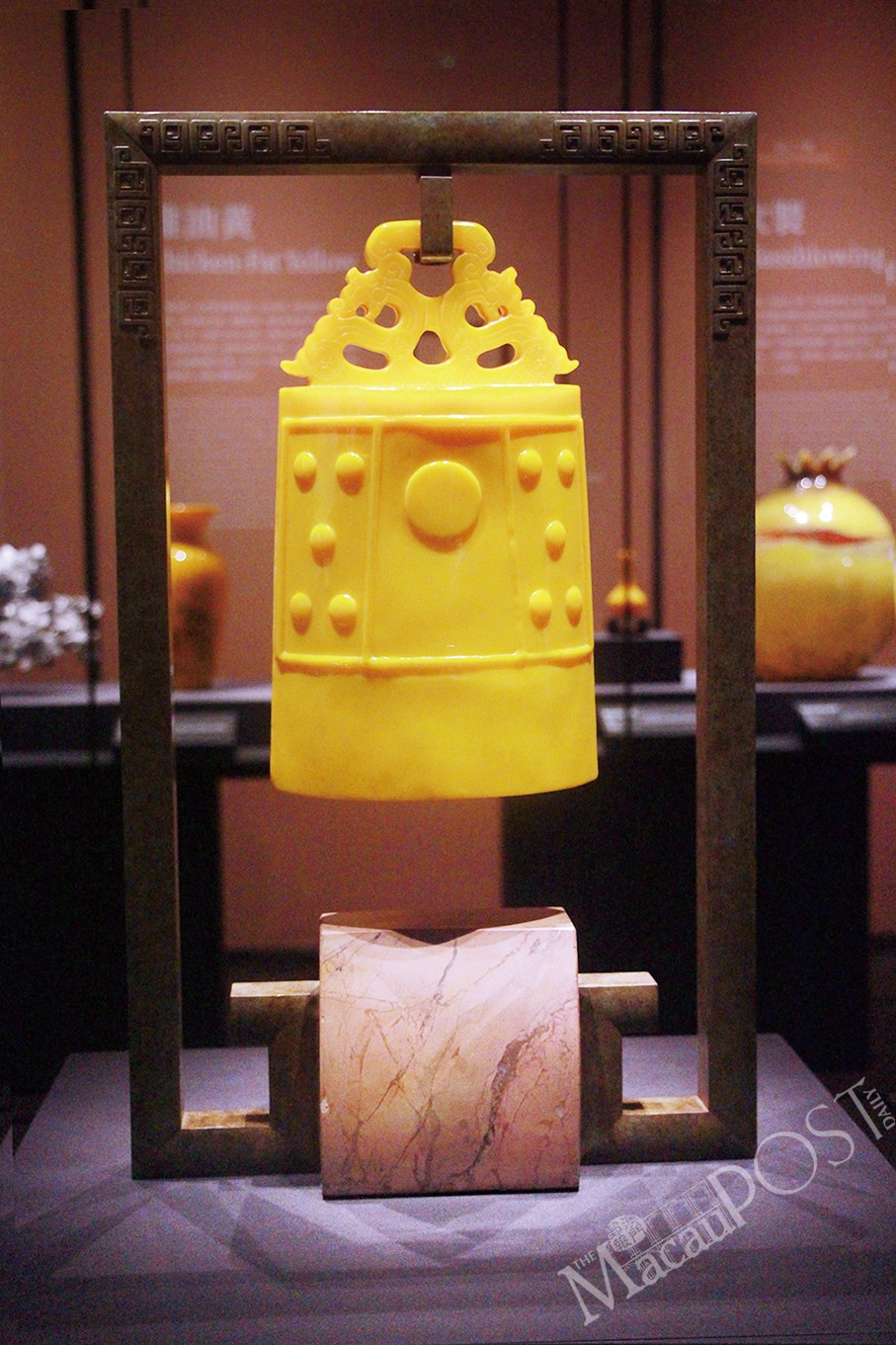
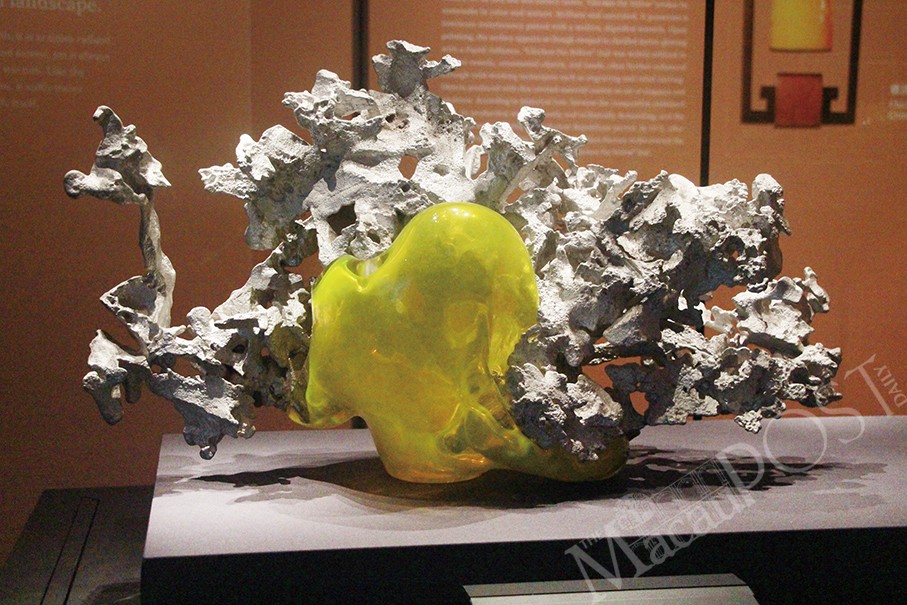
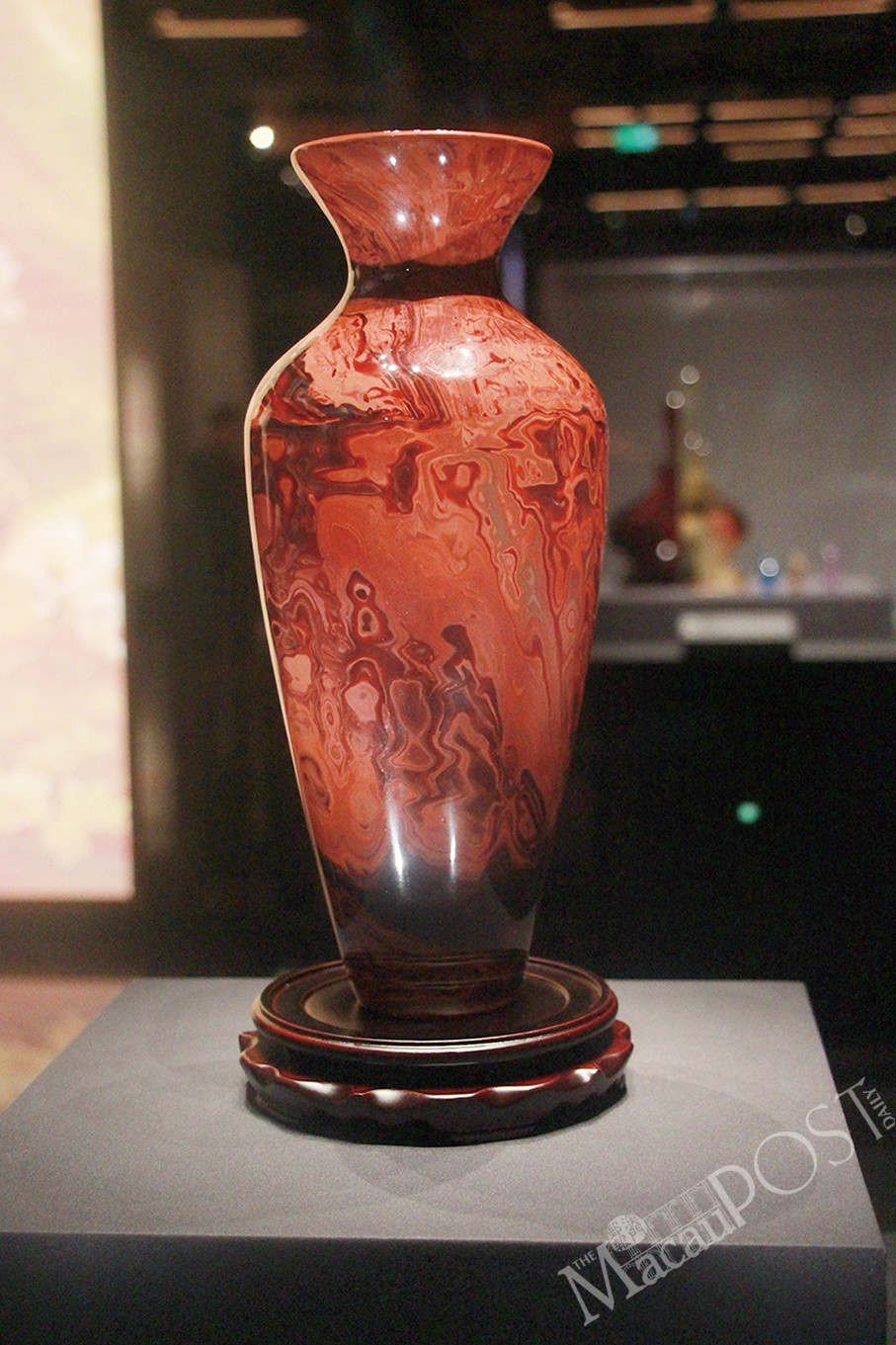
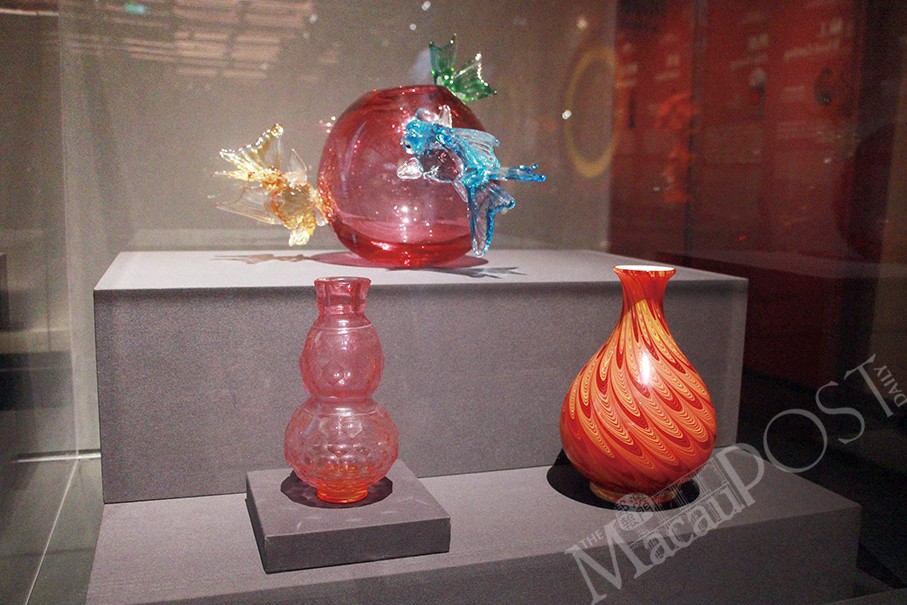
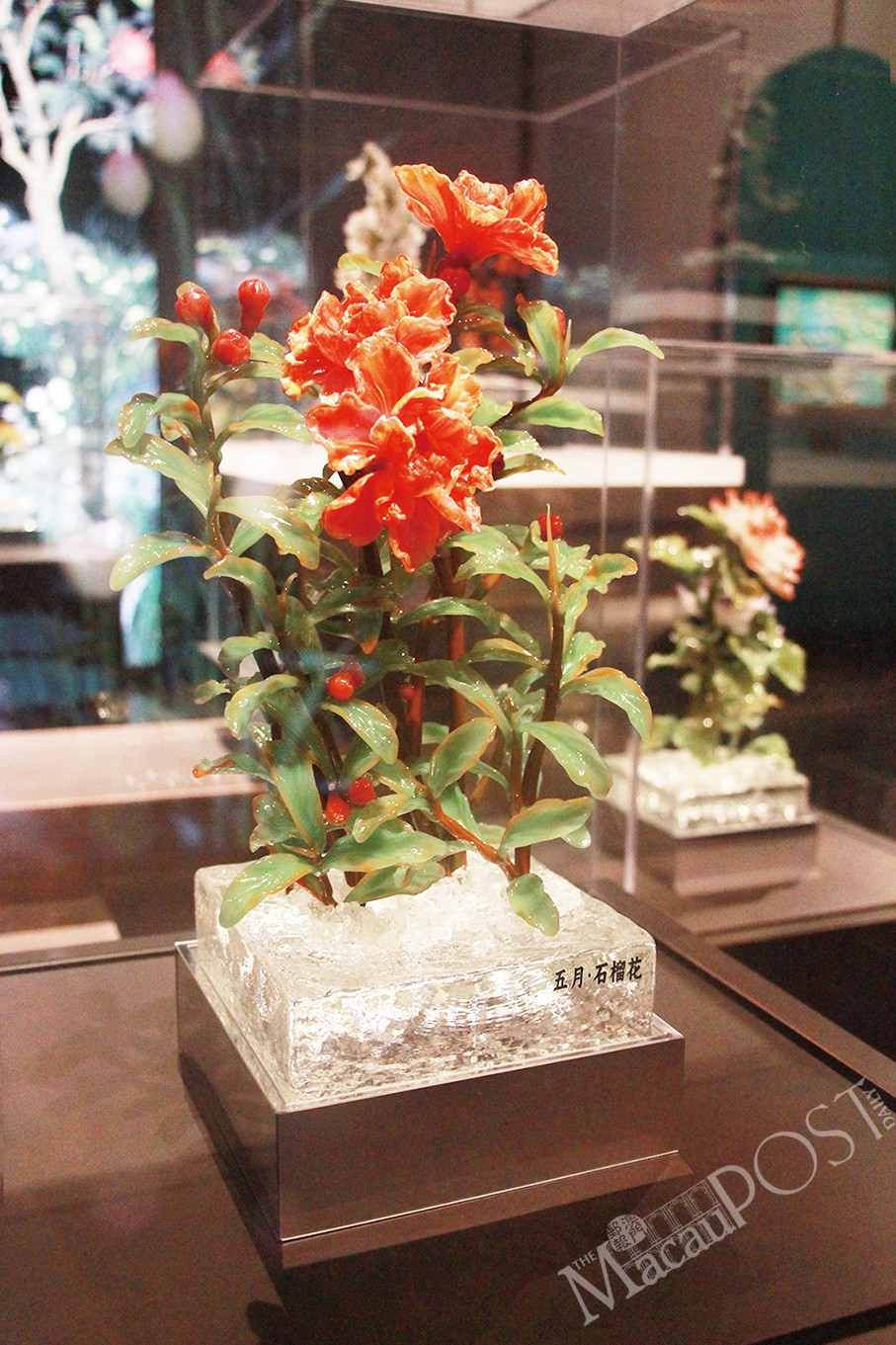
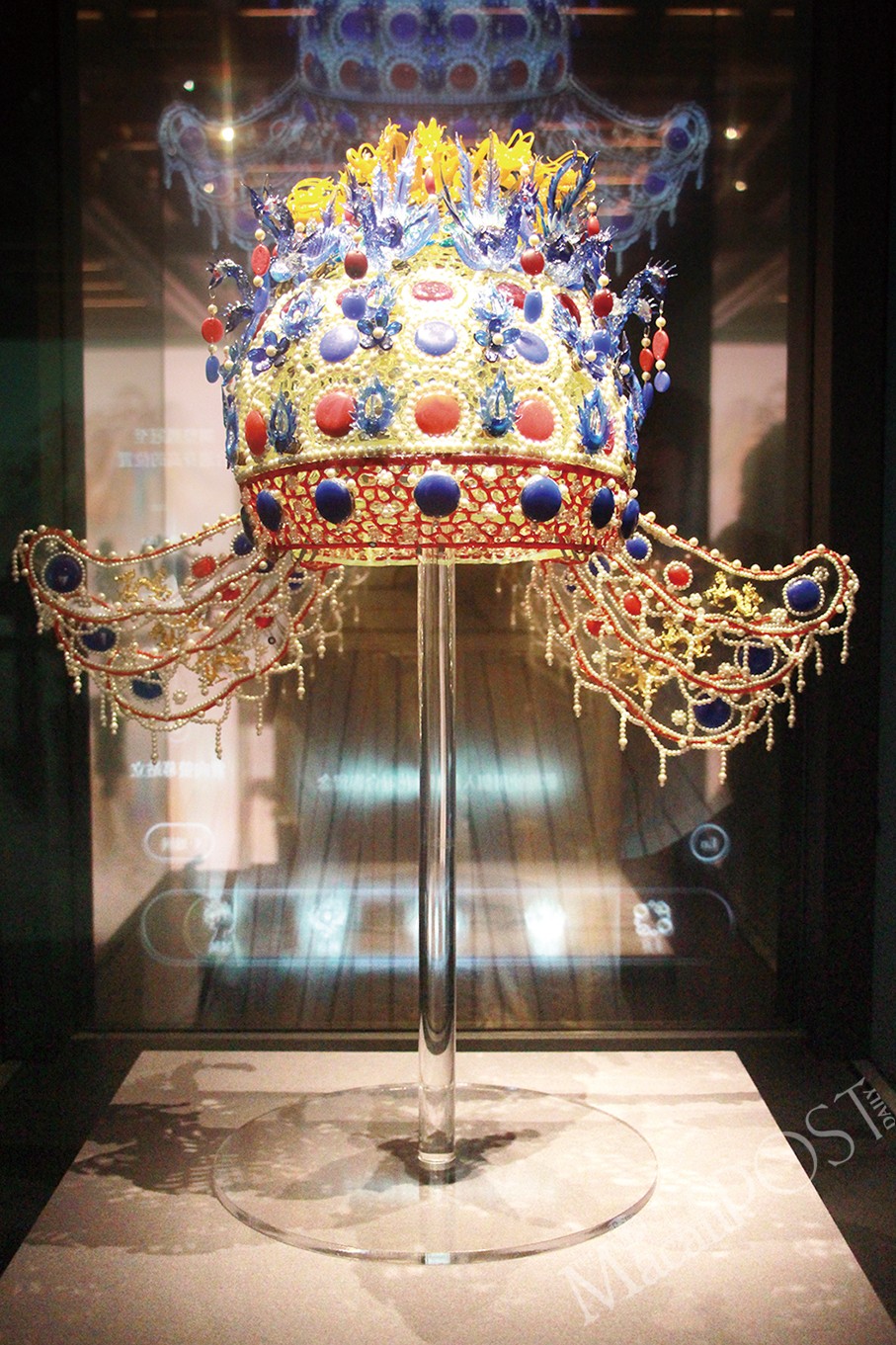
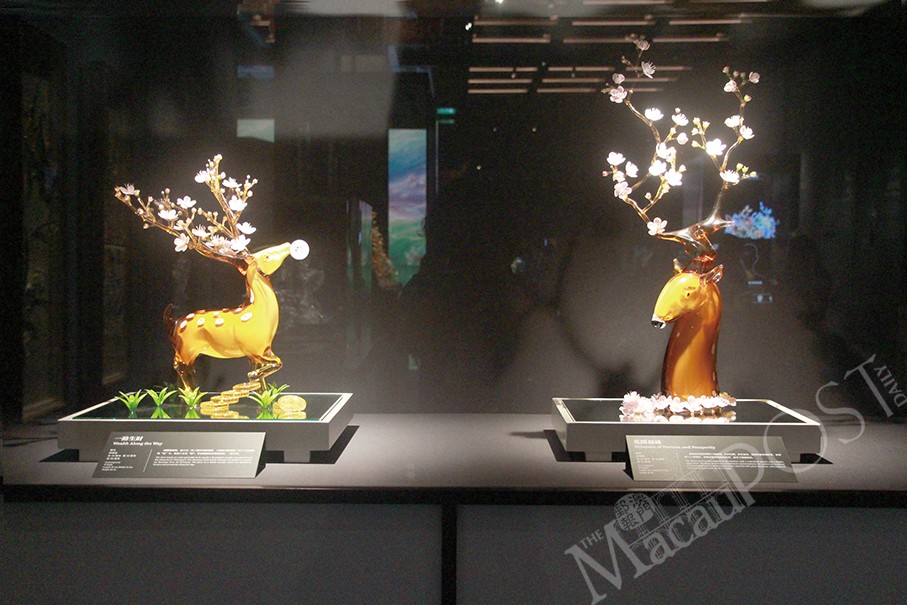
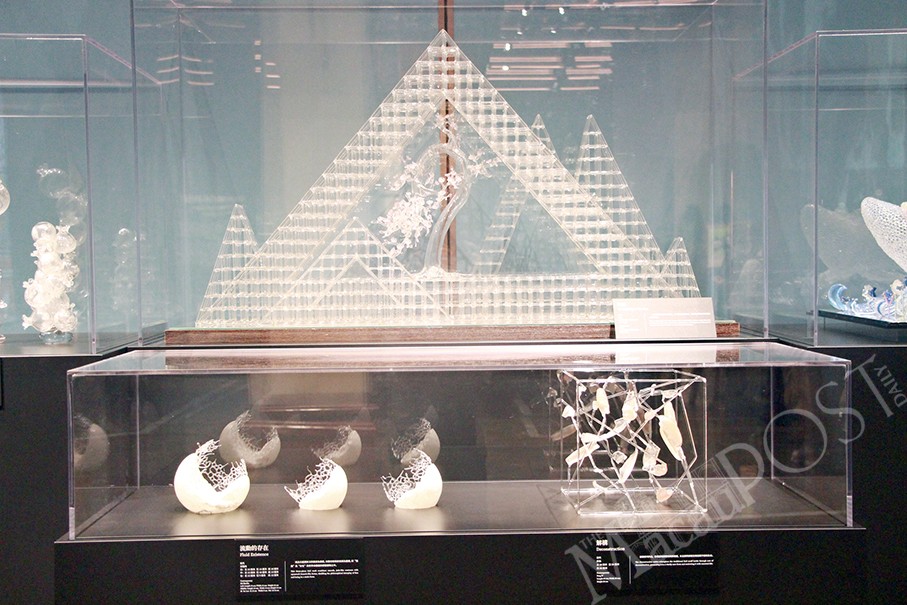
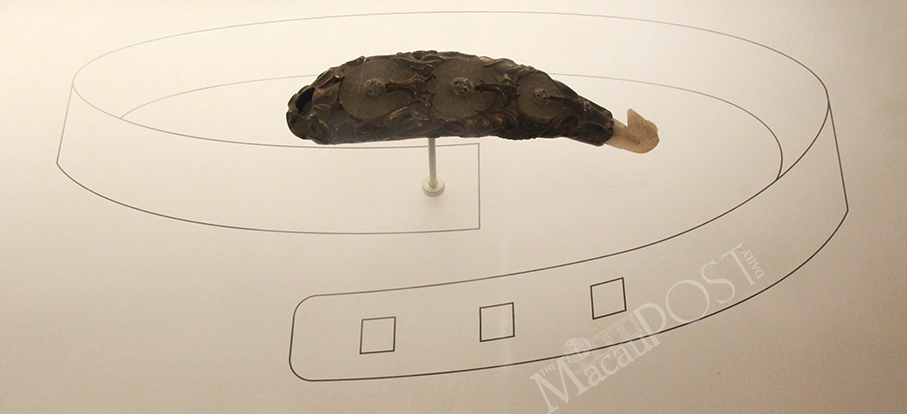
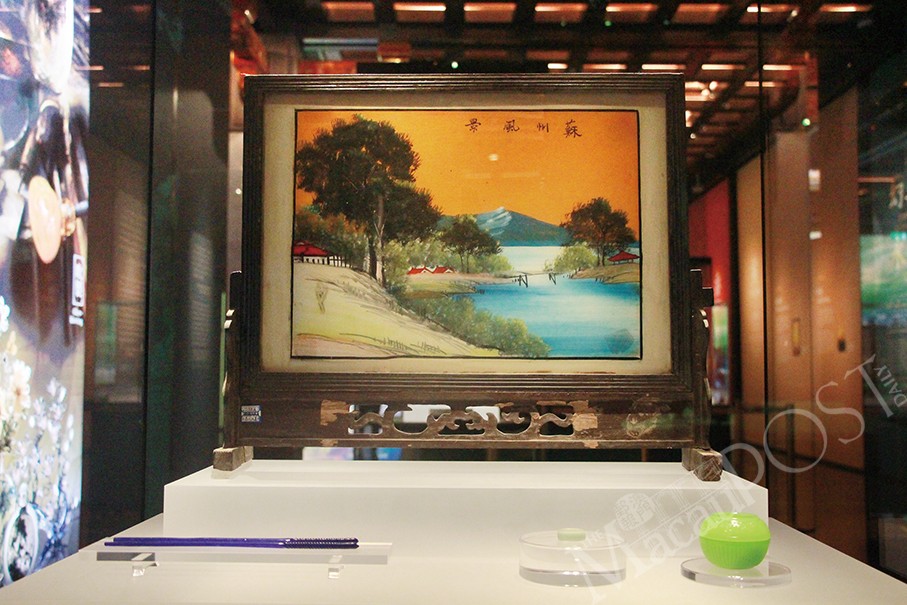
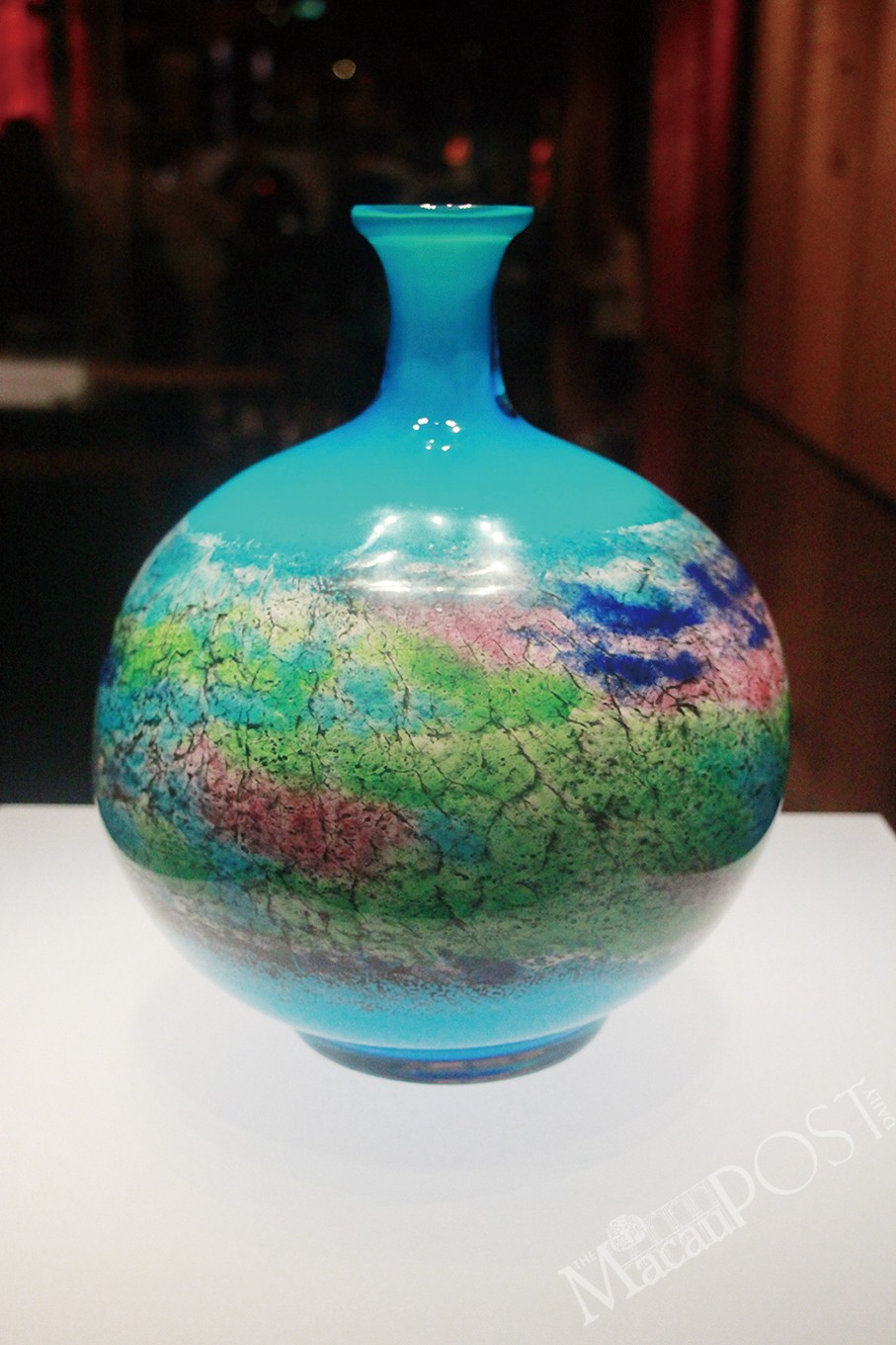
Photos taken at MGM MACAU’s POLY MGM MUSEUM in Nape on September 29. – Photos: Khalel Vallo