

Interview by Armindo Neves
A serious incident of campus violence occurred in Macau on the September 1 opening day of the school term, where an 18-year-old student used drain cleaner to attack a female teacher in her 60s, sparking deep public concern over youth mental health and school safety.
In response to a written interview by the Post on Monday, Che Mei Leng, vice-president of the Macau General Union of Neighbourhood Associations (UGAMM, commonly known as Kai Fong) and director of its Women’s Affairs Committee, pointed out that regulating the retail sales of hazardous household products presents high operational difficulties.
She stressed that the fundamental key to preventing extreme incidents lies in the mental health and psychological counselling of users, as well as fostering a friendly, inclusive environment between teachers and students.
Unified hazardous goods control proves difficult – root cause remains lack of psychological counselling
Regarding the suspect purchasing corrosive liquid outside school grounds and taking it onto campus, Che said that products such as drain cleaner are common household items readily available to the public, making direct, comprehensive monitoring of purchases difficult.
Because offenders do not buy in bulk, sales restrictions or real-name registration systems offer limited preventive effect against extreme behaviour; the crucial factors remain the individual’s psychological state and intent.
Che emphasised that preventing extreme occurrences must begin with psychological support and mental health interventions, while continuously promoting teacher–student integration and a supportive campus environment.
Improving medical and psychological support to safeguard staff rights
Touching upon the injured teacher’s medical condition and subsequent recovery, Che revealed that the victim is currently receiving medical follow-up at the hospital, while the Psychiatry Department at the public Conde de São Januário Hospital Centre (CHSCJ) can provide clinical psychological assistance and therapy.
Should UGAMM receive requests for help, its community psychological counselling team will provide timely services, she said. Meanwhile, teaching staff in non-tertiary private schools in Macau are entitled to free healthcare and can obtain medical support provided by public health institutions, according to Che.
Leveraging school counsellors and online hotlines
In response to emotional management issues and vengeful mindsets among young people, Che noted that schools can make full use of the “Student Mental Health Identification Form” and operational guidelines formulated by the Education and Youth Development Bureau (DSEDJ), using the “Campus Physical and Mental Health Working Group” to identify student needs across tiered levels. Paired with the primary and secondary student mental health assessment scale currently being planned by the bureau – alongside specialised training for teachers and counsellors – this framework will help spot early warning signs such as suicide, self-harm, and behavioural deviations, she said.
Che added that school campuses do not lack channels for communication and mediation. Operating independently of the educational management system, school-based student counsellors act as neutral “third-party mediators” when conflicts or disciplinary disagreements arise between teachers and students. They can step in to offer emotional reassurance and facilitate dialogue, preventing situations from escalating, she said. Furthermore, the DSEDJ has launched a 24-hour online student counselling platform and helpline to provide a timely outlet for students in need, she noted.
Inter-departmental crisis intervention aims to monitor trauma
In order to mitigate potential post-traumatic stress disorder (PTSD) among staff and students at the school, Che pointed out that authorities and school management have established a crisis response team. Professional counselling agencies have entered campuses to conduct Critical Incident Stress Debriefing (CISD) for eyewitnesses, classmates, and the wider school community. Individuals assessed to have severe traumatic responses will be referred to the Health Bureau’s (SSM) specialist units for follow-up, with tracking profiles established to monitor their mental health for at least three months.
Che highlighted that Kai Fong’s community psychological counselling team will continue to drive direct community counselling and mental health outreach, deepening collaboration with schools and families to enhance residents’ psychological well-being and make every effort to prevent extreme incidents from recurring.
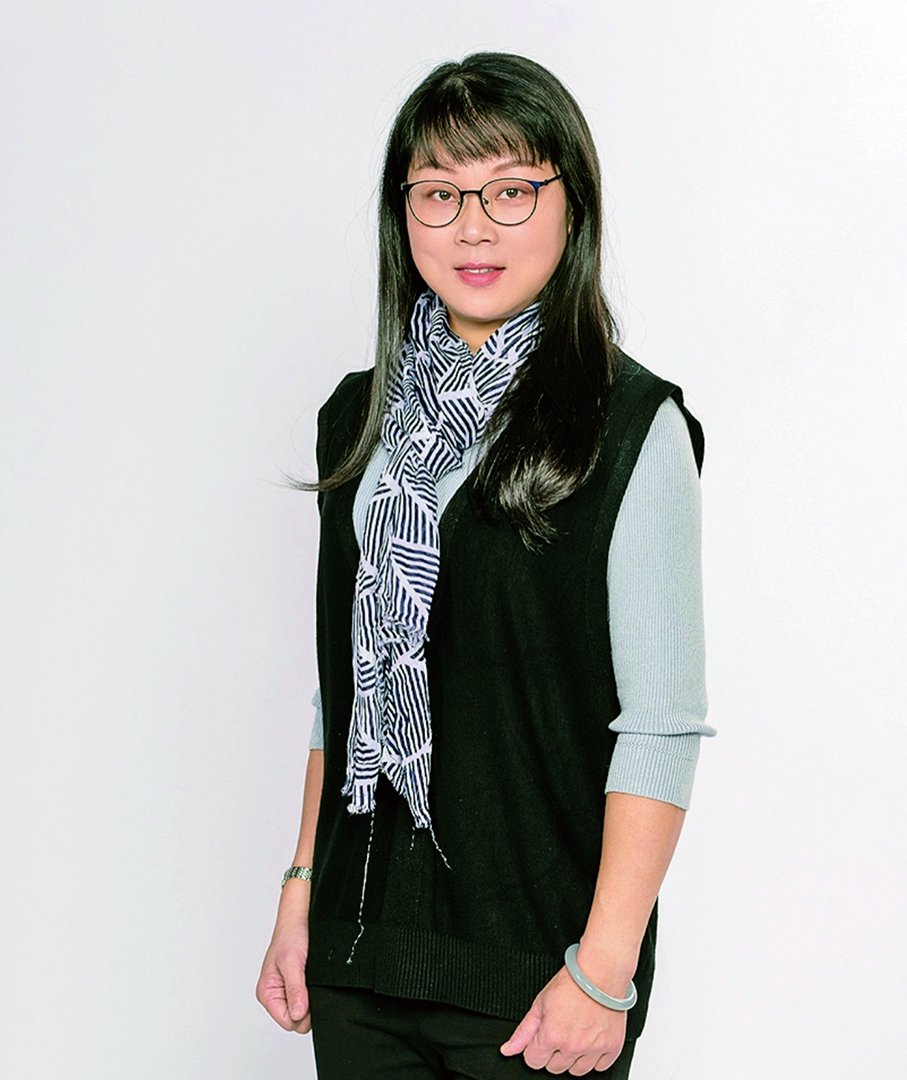
Undated file photo of Macau General Union of Neighbourhood Association (UGAMM) Vice-President-cum-Director of UGAMM’s Women’s Affairs Committee Che Mei Leng. – Photo courtesy of UGAMM