

The Post took to the streets yesterday to ask locals what mental health means to them and whether Macau is doing enough to support emotional well-being.
While awareness appears to be growing among the younger generation, interviewees pointed to persistent stigma, limited accessibility and gaps in systemic support.
For Cedric, 22-year-old university student, mental health is deeply tied to emotional authenticity. He described it as the struggle of “making people smile” while hiding personal pain behind a mask. He referenced public figures such as Hollywood actors Jim Carrey, Robin Williams (who died in 2014) and ex-frontman of rock band Linkin Park Chester Bennington (who committed suicide in 2017) to illustrate how outward success can conceal inner turmoil.
Cedric said that traumatic experiences – including abuse, bullying, heartbreak and the loss of loved ones – can leave lasting psychological scars. If someone he knows were struggling, he said he would urge them to open up to people who genuinely care. “They shouldn’t hesitate to tell their loved ones,” he said, stressing that isolation can intensify suicidal thoughts.
Meanwhile, 24-year-old Alexandra, a fourth-year student of the University of Macau (UM), defined mental health as “taking care of your heart and your head,” noting that it affects sleep, relationships and work performance. Alexandra said she believes that mental health is not taken as seriously in Macau as in other places, citing a lingering mindset of “tough it out” when people feel anxious or depressed.
However, Alexandra said she noticed that young people are becoming more open, particularly on social media and in some local schools. While she feels the government’s response lacks visible follow-through, she credited schools for initiating conversations and offering some support systems. If a friend were struggling, she said she would “100 percent” encourage professional help, calling it a sign of strength rather than weakness.
In addition, Omar, 21, a UM engineering student, said that mental health was foundational to overall wellbeing, influencing how individuals think, behave and manage stress. “It shapes how we think, feel, behave and make decisions every single day,” he said, adding that when neglected, “every area of life becomes harder”. Omar also said he believes awareness has increased significantly among Gen Z, especially after COVID-19, but noted that traditional family expectations in Macau can discourage open discussion. He said resources exist – such as school counsellors, university services and private clinics – but affordability and stigma remain barriers.
Omar also highlighted mixed experiences with therapy, noting that some friends felt that some professional health workers appeared to dismiss their cases. Omar said that he is attending university counselling sessions and described the experience as transformative. He spoke about struggling with family expectations and self-worth, saying therapy provided a rare space for non-judgmental listening. “I deserve unconditional love and support,” he recalled realising during one session, describing counselling as essential in rebuilding his relationship with himself, adding that “so does everybody else”.
Moreover, 16-year-old Ali, a private school student, said mental health determines how she approaches each day. “If I’m okay, I’d go out and do whatever I want. If I’m upset, I lay around and let the world disappear,” she said. She feels schools focus more on emerging topics such as AI than emotional wellbeing, arguing that mental health education is lacking in Macau.
Although she acknowledged that services are available, she felt her own attempts to seek professional support proved futile. She said encouragement from loved ones can feel more genuine than paid reassurance. Ali also criticised the school environment, saying that bullying and insensitive behaviour towards sensitive issues can go unchecked.
Drawing from personal experience, she described feeling hurt when classmates mocked survivors of sexual assault. While she has sought professional help, Ali said she still feels isolated despite reassurances that “things will get better”.
All the interviewees agreed that while conversations around mental health are becoming more common among youth, stigma, cultural expectations and uneven service quality continue to shape people’s willingness to seek help.
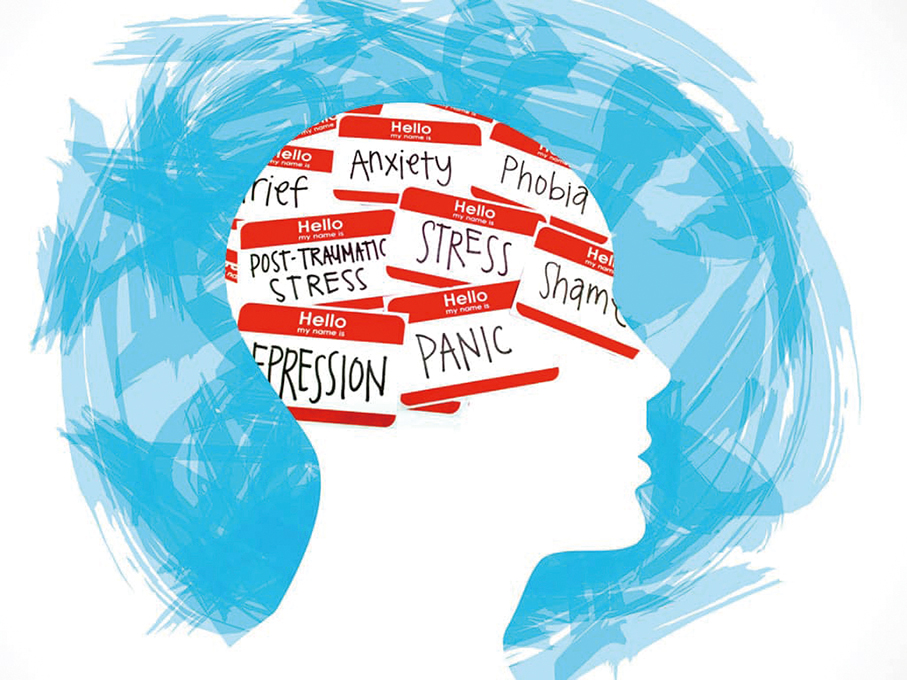
This image downloaded courtesy of Gaithersburg, Maryland’s All Day Medical Care Clinic website shows its concept of mental health.